Former Ukrainian Defense Minister Calls for Elections Amid Ongoing Conflict
Mikhail Fedorov urges implementation of lawful, secure elections despite wartime challenges, highlighting implications for political stability and investor confidence.
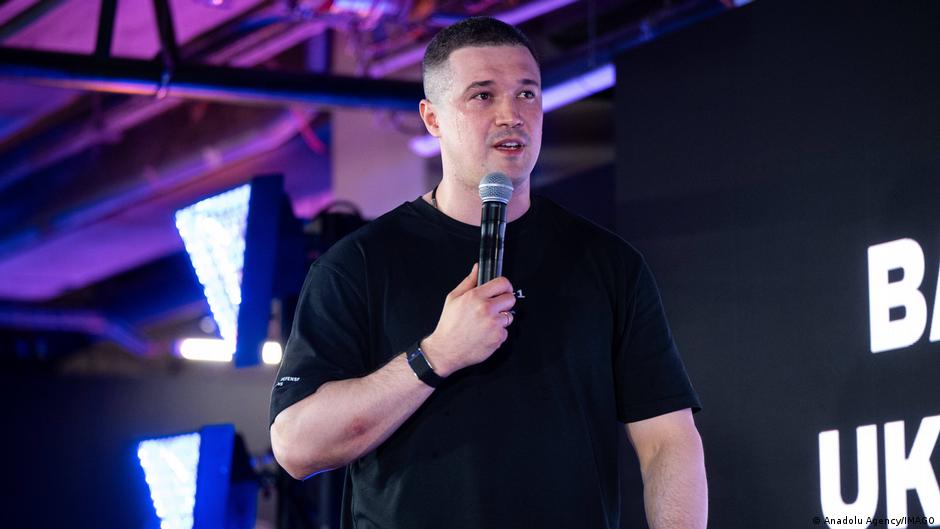
Ukraine’s former Defense Minister, Mikhail Fedorov, has publicly advocated for holding elections in the country even as war continues, emphasizing the importance of finding a lawful and secure process. His remarks raise critical considerations for capital markets, given the impact of political stability on investor sentiment, equities, and bond markets.
Political Developments and Market Implications
In a video address released on August 18, Fedorov acknowledged the difficulties inherent in conducting elections during ongoing conflict, noting the challenge of ensuring voting rights for military personnel, Ukrainians abroad, and residents in frontline areas. Nevertheless, he stressed that complexity should not be conflated with impossibility, asserting, "If the war continues for one, two, or even three years, can Russia effectively dictate when Ukrainians can choose their leadership again? I am convinced it cannot. Democracy must not become hostage to Russia."
"Complexity does not mean impossibility. Ukraine has repeatedly achieved what the world deemed impossible." — Mikhail Fedorov
From a capital markets perspective, political continuity and democratic legitimacy are essential to maintaining investor confidence. The prospect of elections amidst conflict could be interpreted positively if markets see it as a sign of resilience and a commitment to governance norms. Conversely, uncertainties around election logistics and outcomes might heighten risk perceptions, potentially affecting equity valuations and bond yields.
Fedorov also highlighted concerns about governance practices, condemning appointments based on personal loyalty rather than professionalism or results. Such governance issues can weigh on market perceptions of institutional integrity, impacting foreign direct investment and the stability of domestic financial markets.
Background and Market Reaction
Fedorov stepped down as Defense Minister on July 15, citing disagreements with Ukraine’s Armed Forces Commander-in-Chief, Alexander Syrsky. His departure triggered protests in several Ukrainian cities, with demonstrators lauding Fedorov as one of the most effective defense leaders in recent years. Protesters credited him with driving reforms and modernization efforts within the armed forces.
The political unrest and leadership changes have introduced volatility in Ukraine’s equity markets, particularly affecting defense sector stocks and government bond spreads. Investors are closely monitoring how the interim defense leadership navigates ongoing military and political challenges.
Financial markets in Ukraine remain sensitive to signals of political stability, democratic processes, and governance quality. Fedorov’s call for elections reflects a broader push for transparency and accountability, elements that are critical for fostering a favorable investment climate amid conflict.
As Ukraine continues to grapple with war-related risks, the market will weigh the potential benefits of democratic reaffirmation against the operational challenges of holding elections during wartime. The path forward will likely influence capital flows, credit ratings, and investor confidence in the near to medium term.