NATO Allies Conduct Military Drills Near Suwalki Corridor Amid Rising Tensions with Russia
Poland, Lithuania, and France hold joint infantry exercises near Suwalki Corridor, reinforcing NATO’s strategic position amid regional security concerns.
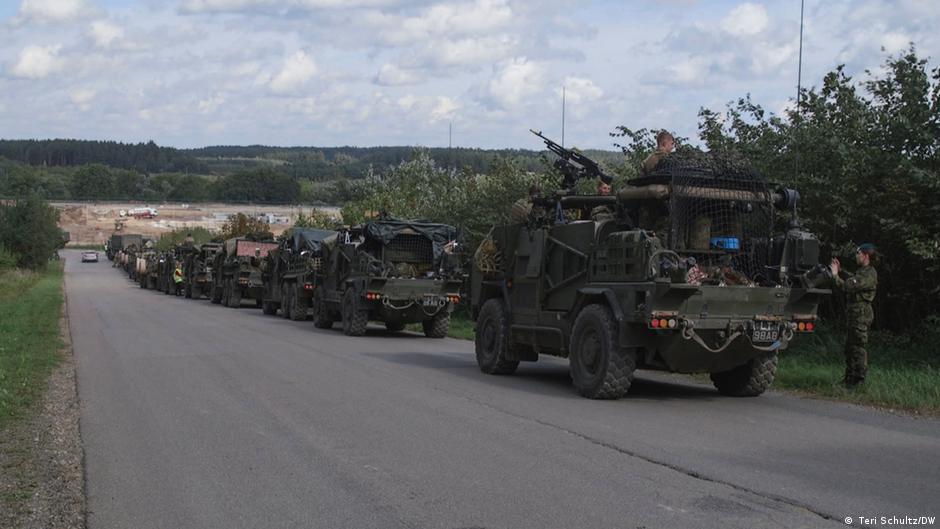
From June 16 to 26, Poland, Lithuania, and France are conducting joint military exercises near the Suwalki Corridor, a narrow land passage of critical strategic importance connecting the Baltic states to the rest of the European Union and NATO. Named "Gallant Boar 2026," the maneuvers focus on infantry operations and coordination to improve allied readiness in safeguarding this vulnerable chokepoint.
Strategic Importance of the Suwalki Corridor
The Suwalki Corridor, spanning less than 100 kilometers between the Russian exclave of Kaliningrad and Belarus, is vital for NATO’s defense posture in the Baltics. It serves as the only overland link between Poland and Lithuania, crucial for the transit of military supplies and reinforcements to Estonia, Latvia, and Lithuania.
Given ongoing tensions with Russia, NATO and EU officials fear a potential Russian attempt to seize this corridor in a future conflict, which would isolate the Baltic states from NATO support. As a result, Poland and Lithuania have intensified military presence and infrastructure development in the region. In April 2026, the Lithuanian parliament approved construction of a new military training ground near the corridor, expected to be operational by 2028 and capable of hosting up to 4,000 troops.
"The exercises aim to enhance joint operational synchronization and improve defense capabilities along this strategically critical corridor," Lithuanian sources reported.
Market Implications and Investor Considerations
The increased military activity and geopolitical risk in Eastern Europe have immediate ramifications for capital markets. Investors in European defense equities, such as manufacturers of mechanized infantry equipment and logistics support systems, may see growing demand prospects as NATO enhances capabilities. This could benefit shares of companies involved in supplying and supporting allied forces in the region.
Conversely, the heightened tensions contribute to market uncertainty, particularly in European bond markets, where risk premiums may widen due to increased geopolitical risk. Investors may anticipate volatility in currencies tied to the region, including the euro and Polish zloty, as well as shifts in commodity prices sensitive to Eastern European stability.
Furthermore, NATO’s plans to establish a new command structure to accelerate troop deployments in Estonia and Latvia reinforce long-term defense spending commitments across member states, potentially bolstering defense budgets and related government bond issuance.
Russian Military Posture and Regional Security Outlook
Despite setbacks in Ukraine, Russian forces continue to fortify their western borders. Satellite imagery analyzed by Nordic media confirm expansion and construction of military bases along Russia’s western frontier, with estimates suggesting deployment of up to 115,000 troops.
German Bundeswehr Chief General Carsten Breuer forecasts a potential escalation peaking around 2029, highlighting Russia’s concentrated build-up of armaments and personnel oriented westward.
Nevertheless, NATO leadership remains cautiously confident. U.S. Army General Christopher G. Cavoli, Commander of NATO’s Allied Command Operations in Europe, asserts that Moscow is unlikely to seek direct confrontation due to NATO’s asymmetric advantages, including technological superiority and integrated command structures.
Investors should closely monitor developments in this geopolitical flashpoint, as shifts in military activity and diplomatic posturing will continue influencing risk perceptions and capital flows in European and global markets.