Russian Drone Strikes on Zaporizhzhia Impact Local Infrastructure and Raise Market Concerns
Russian drone attacks in Zaporizhzhia cause casualties and infrastructure damage, prompting investor caution amid regional instability.
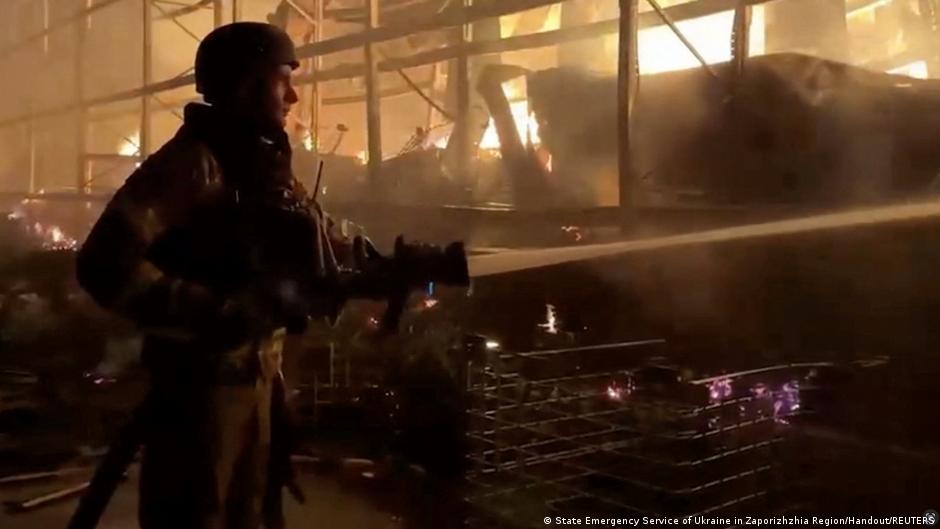
In the early hours of August 19, Russian drone strikes targeted the city of Zaporizhzhia, resulting in one confirmed fatality and six injuries, according to the regional military administration head, Ivan Fedorov. The attacks caused damage to both residential and non-residential buildings and sparked fires, with rescue operations ongoing amid concerns that more people may be trapped under rubble.
Market Reactions and Investor Implications
While the immediate human toll of the strikes is deeply concerning, the event also adds a layer of uncertainty to the regional security environment, which is a critical factor for investors monitoring the Eastern European markets. The continued military actions near key urban centers like Zaporizhzhia have a palpable impact on local economic activity and investor sentiment.
Equity markets sensitive to geopolitical risks, particularly those linked to Ukrainian and Russian assets, may experience increased volatility as investors reassess the risk profile. Bonds issued by regional governments or companies operating in the area could face widened credit spreads due to heightened security concerns, reflecting a perceived increase in default risk or operational disruptions.
"Ongoing military aggression in strategic locations like Zaporizhzhia undermines investor confidence and may trigger cautious positioning in both equity and bond markets," noted a market analyst.
The infrastructural damage, including residential and business premises, indicates potential interruptions in local supply chains and services, which can negatively affect corporate earnings and economic growth projections. This scenario pressures bond yields upwards as risk premiums rise, and may prompt investors to seek safer assets or diversify portfolios away from conflict-affected regions.
Furthermore, any escalation in military activities that threatens broader regional stability is likely to influence global commodity prices, given Ukraine's role in agricultural exports and supply routes. Such developments underscore the importance for capital market participants to monitor geopolitical events closely as they can have ripple effects on market liquidity and asset valuations.
In summary, the drone strikes on Zaporizhzhia represent not just a humanitarian crisis but also a significant factor in the recalibration of risk assessments for investors engaged in Eastern European markets. Market participants should remain vigilant and consider geopolitical risk as a key variable in their investment decisions.