Russian Strikes Hit Ukraine’s Energy Network and Auto Supplier Plant
Deadly overnight attacks damaged critical infrastructure, disrupted power supplies and halted production at a German-owned automotive plant.
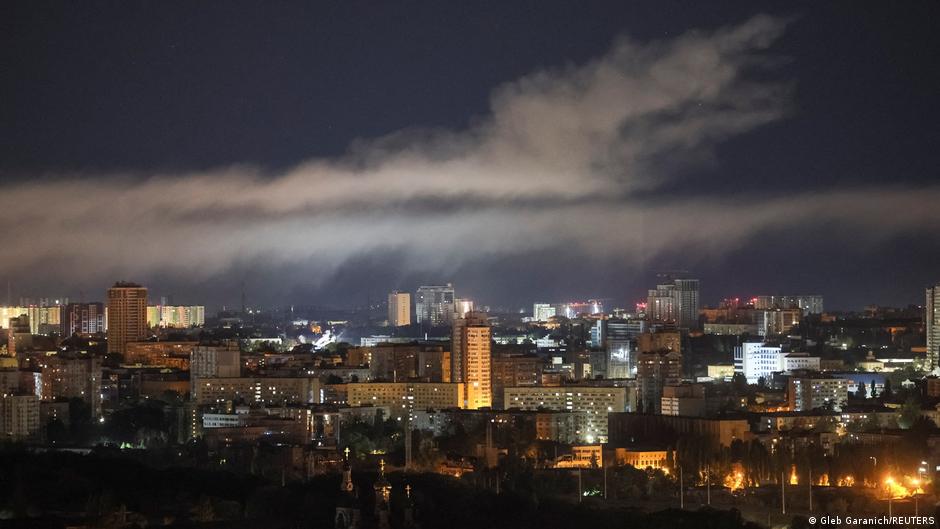
Russian drone and missile strikes across several Ukrainian regions killed two people, injured others and damaged critical infrastructure late Saturday and overnight into Sunday, according to local authorities. The attacks also caused emergency power outages and suspended operations at an automotive components factory, adding to the infrastructure and supply-chain risks confronting investors with exposure to Ukraine and the wider European industrial economy.
The immediate human toll included one death in Poltava and the death of a 27-year-old woman in Zaporizhzhia. Officials also reported injuries in Poltava, Zaporizhzhia and Kharkiv. No financial-market reaction or estimate of the economic damage was provided, but the combination of power disruptions and interrupted industrial production is likely to keep geopolitical and operational risk in focus for investors.
Power infrastructure returns to the foreground
In the Vinnytsia region, an attack caused destruction at critical infrastructure facilities and triggered emergency electricity outages, regional military administration head Natalia Zabolotna said on Telegram. She warned that electricity supplies would remain unstable in the near term.
“In the near future, the situation with the electricity supply will remain unstable,” Zabolotna said.
In the Chernihiv district of the region bearing the same name, 19,000 customers were left without electricity following evening strikes, according to representatives of the local power supplier Chernihivoblenergo. Critical infrastructure was also attacked in Dnipro, regional military administration head Oleksandr Hanzha said.
For capital markets, renewed damage to the electricity network underscores the fiscal and financing demands associated with keeping Ukraine’s economy operating during the war. Unstable power can affect industrial output, logistics and business continuity, while repair requirements add to the country’s reconstruction burden. The developments are relevant to holders of Ukrainian sovereign and corporate debt, as well as European companies with factories, suppliers or customers in the affected regions.
German-owned automotive supplier halts operations
In Lutsk, a factory operated by German company Kromberg & Schubert suspended work after a strike. The plant produces electrical wiring systems for vehicles, placing the disruption within the European automotive supply chain as well as Ukraine’s domestic industrial base.
Russia’s Defence Ministry said the plant was targeted because it was carrying out “repairs of automotive equipment in the interests of the Armed Forces of Ukraine.” The source report did not provide details about the scale of damage, the expected duration of the production stoppage or any financial impact on the company.
Those unanswered questions matter for investors assessing European automotive equities. Wiring systems are essential vehicle components, and prolonged outages at individual suppliers can create production bottlenecks elsewhere. However, without information on inventories, alternative capacity or the Lutsk facility’s share of group production, it is not possible to quantify the wider supply-chain effect.
Casualties and residential damage
In Poltava, one person was killed and four others were injured during an evening drone attack, regional military administration head Vitalii Diakyvnych wrote on Telegram. Four private homes were damaged in the city, along with another five in the Tereshky rural community.
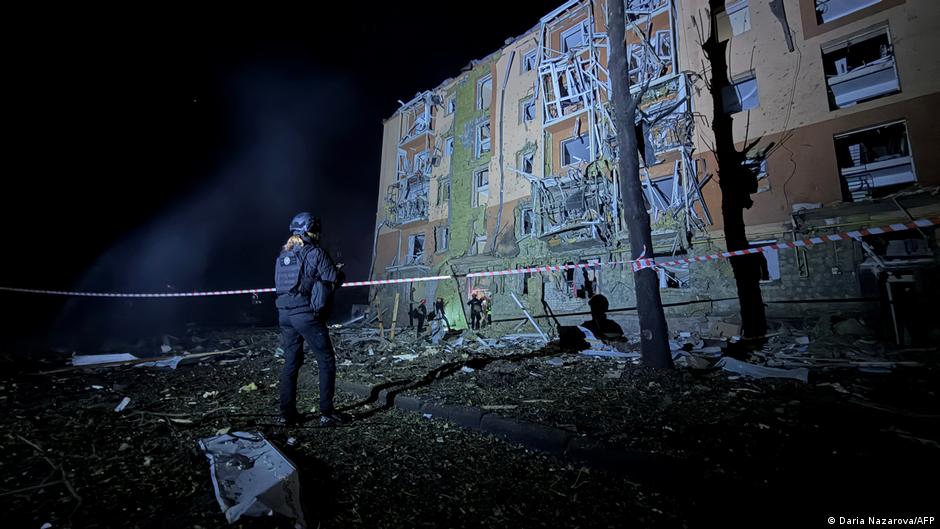
In Zaporizhzhia, a drone struck a multistorey residential building overnight, according to regional military administration head Mykhailo Semikin. A 27-year-old woman was killed, and another woman was injured.
Three people were injured when Russian forces used ballistic weapons against two districts of Kharkiv on Saturday evening, Mayor Ihor Terekhov said. According to the head of the Kharkiv regional military administration, men aged 66 and 42 were wounded in the Slobidskyi district and taken to hospital. A 26-year-old woman was injured in the city’s Osnovianskyi district.
The strikes took place after Russian forces launched drones and missiles against multiple Ukrainian regions late on Saturday, October 17, and during the night of October 18, local officials said.
For investors, the latest attacks reinforce the distinction between headline geopolitical risk and measurable market impact. The reported suspension of a German-owned factory creates a direct corporate exposure, while electricity outages raise broader questions about output, repair costs and sovereign financing. Yet the absence of disclosed damage estimates, reopening timelines or securities-price movements limits any immediate valuation assessment. Markets will therefore look for updates from infrastructure operators, the affected manufacturer and Ukrainian authorities on the duration and economic scope of the disruptions.