US Plans Major Cuts to NATO Combat Aircraft and Naval Assets Impacting Defense Markets
Washington to reduce fighter jets and naval presence in Europe, signaling strategic shift with potential market implications for defense equities and bonds.
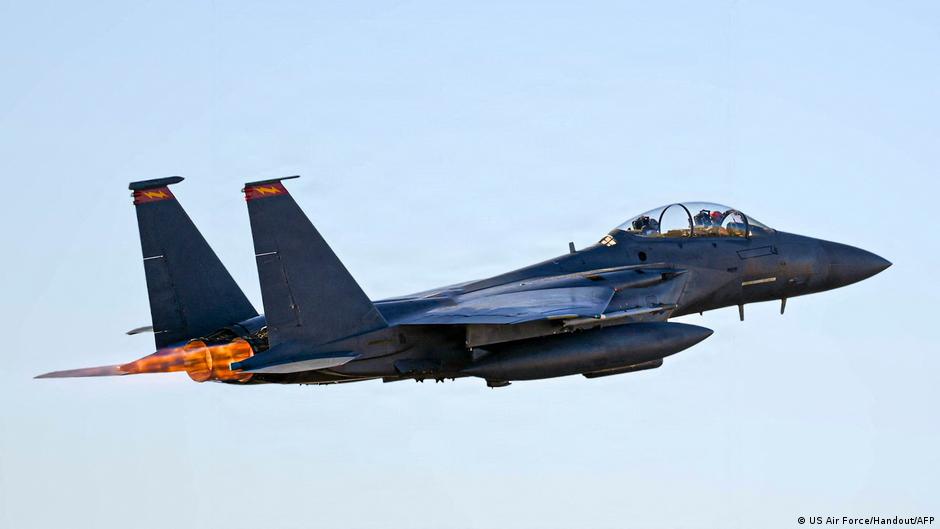
The United States is set to significantly reduce the number of combat aircraft and naval vessels it commits to NATO operations in Europe, according to reports citing high-level European officials. This move, revealed by The New York Times on June 12, marks a strategic reorientation of US military resources that could ripple through global defense markets and investor portfolios.
Reduction Details and Market Relevance
The planned drawdown includes a one-third cut in fighter aircraft supplied to the alliance, with F-16s and F-15Es falling from approximately 150 units to around 100. Additionally, maritime reconnaissance aircraft will decrease from 26 to 15. All eight aerial refueling tankers currently deployed in Europe will be withdrawn. The US also intends to redeploy a missile submarine, an aircraft carrier, multiple warships, and dozens of carrier-based aircraft out of European waters.
Sources indicate this process will begin imminently, earlier than European partners anticipated. The reductions are part of a broader US pivot towards the Indo-Pacific region, reflected in a confidential list of 11 specific cutbacks shared with NATO, as reported by German media. This downsizing challenges NATO’s long-range strike and surveillance capabilities, potentially affecting defense contractors and military suppliers linked to European operations.
"This decision will limit NATO’s ability to conduct long-range strikes and surveillance," noted analysts, highlighting the operational and financial impact on defense markets.
Previously, the US provided roughly half of NATO’s military capacity under the burden-sharing arrangement. Moving forward, Washington is soliciting proposals from European countries to fill gaps caused by the American drawdown ahead of the June Force Sourcing Conference. This redistribution of responsibilities may elevate defense spending and procurement among European NATO members, altering market dynamics for defense equities and fixed-income securities in the region.
Broader Military and Economic Implications
On May 19, Pentagon officials announced the withdrawal of one of four US combat brigade groups stationed in Europe, reducing troop levels to those seen in 2021. Combat brigades, numbering between 4,000 to 5,000 personnel depending on type, constitute the core of the US Army’s tactical forces. With approximately 100,000 US military personnel previously deployed in Europe (65,000 permanent and the remainder rotational), this reduction underscores a substantial strategic and capacity shift.
For investors, these developments could trigger volatility in defense stocks linked to aerospace and naval production, as well as influence government bond issuances tied to defense budgets. The reallocation of resources may also stimulate European defense industries as NATO allies are expected to increase spending to cover the shortfall, potentially creating new investment opportunities.
Market participants should closely monitor forthcoming NATO deliberations and national defense budget announcements, as these will clarify how the alliance plans to rebalance capabilities and funding in response to US withdrawals. The evolving geopolitical landscape and shifting military commitments are poised to redefine investment outlooks in the defense sector.