Belarus Advises Citizens to Avoid Travel to Russia Amid Ongoing Security Risks
Belarusian authorities urge citizens to refrain from traveling to Russia, citing security concerns amid drone attacks near the border.
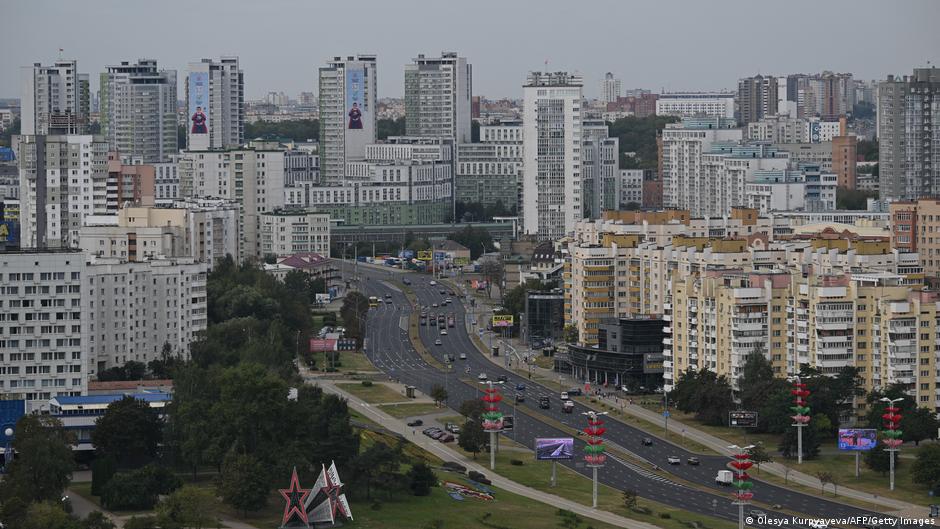
Belarusian Security Council Secretary Alexander Volfovich has advised citizens to temporarily avoid traveling to Russia, especially to border regions, due to ongoing security risks linked to the war in Ukraine. This caution comes after repeated drone attacks targeting buses carrying Belarusian nationals in Russia's Bryansk region.
Market Implications of Heightened Regional Security Concerns
The repeated drone strikes on Belarusian citizens traveling in Russia underline the escalating regional tensions, which have broad implications for capital markets. Investors are likely to reassess risk exposure in equities and bonds linked to Belarus and Russia due to the heightened geopolitical instability.
Volfovich emphasized that no guarantees can be made regarding travel safety until the conflict in Ukraine concludes. He noted that the attacked buses were private trips rather than organized tours, highlighting the indiscriminate nature of the threats. Belarusian officials have also reminded citizens of domestic vacation options amid these risks.
"We warned repeatedly; the president has urged Belarusian nationals to refrain from travel to Russia, particularly to border zones where drone incidents occur daily," said Volfovich.
From a capital markets perspective, the advisories signal increasing risks for cross-border economic activities and consumer confidence. Transport and tourism sectors could face reduced demand, while investors in regional assets may demand higher risk premiums or reconsider portfolio allocations.
The drone strikes have been officially attributed to Ukraine by Russian and Belarusian authorities, though Kyiv denies involvement, labeling such claims as propaganda. This ongoing information conflict further complicates the market environment, adding layers of uncertainty for investors monitoring Eastern European geopolitical developments.
The recent attacks, including one on June 17 involving a bus with 44 people (including 28 children) en route from Gomel to Gelendzhik, resulted in casualties and heightened concerns about civilian safety. Another incident on July 2 injured passengers traveling from Minsk to Anapa. These events underscore persistent security threats impacting regional mobility and economic integration.
For investors, the evolving situation necessitates close monitoring of geopolitical risk factors affecting Belarusian and Russian markets. Reduced consumer travel and potential retaliatory measures could affect economic growth forecasts and corporate earnings, influencing equity valuations and sovereign bond yields.
In the current environment, market participants may seek greater diversification and risk mitigation strategies, paying attention to developments in security advisories, government responses, and broader geopolitical dynamics in the region.