Communists Secure Victory in Graz Municipal Elections, Reshaping Local Political Landscape
The Austrian Communist Party won 35.63% of votes in Graz, consolidating its position with a focus on housing policies and moderate rhetoric.
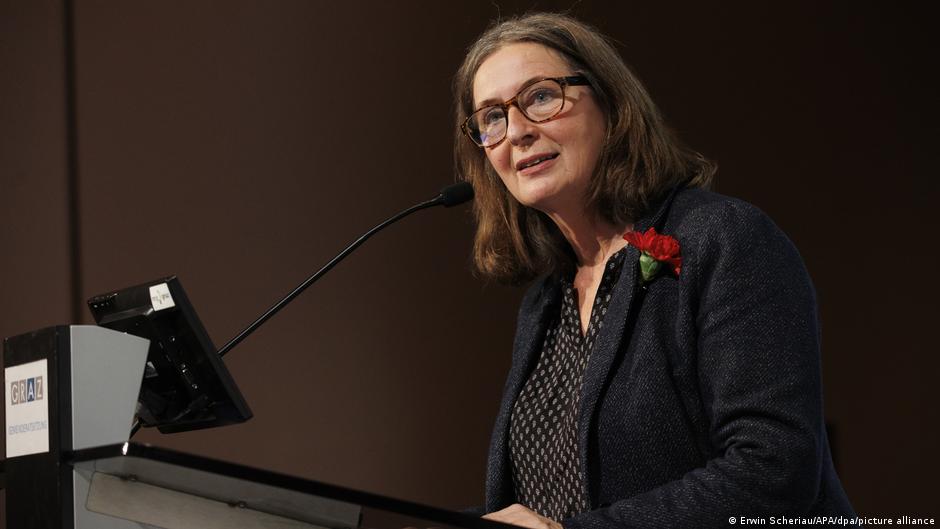
In a significant political development in Austria's second-largest city, Graz, the Austrian Communist Party (KPÖ) has won the municipal elections held on June 28, securing 35.63% of the vote and 18 out of 48 seats in the city council. This marks the second consecutive local election victory for the KPÖ in Graz, building on their unexpected win in 2021 when they garnered 28.84% of votes.
Market and Investor Implications of Graz's Communist Victory
The KPÖ's electoral success stands out in Austria's political landscape, particularly given their limited national influence, as they have not crossed the parliamentary threshold in over 60 years. The party's focus on housing policies and pragmatic governance under Mayor Elke Kahr, who was first elected in 2021 with support from Social Democrats and Greens, has resonated with Graz residents. Kahr's approach avoids populist rhetoric, emphasizing practical solutions to social issues, which has contributed to steady voter support.
From a capital markets perspective, the KPÖ's emphasis on social housing and urban development policies may signal potential shifts in local investment priorities. Real estate developers and investors should anticipate increased regulatory scrutiny and possible expansion of affordable housing initiatives. While the party maintains traditional communist critiques of capitalism, their moderate political tone suggests a cautious approach rather than radical economic reforms.
"The Graz Communists have demonstrated that practical policy focus, particularly in housing, can translate into stable electoral support without aggressive populism," political analysts note.
Investors in regional bonds and municipal projects may need to monitor how the KPÖ's agenda affects fiscal management and spending. The party's critique of EU sanctions on Russia, articulated by Mayor Kahr who condemned the invasion of Ukraine but questioned the effectiveness of economic restrictions, also reflects a nuanced stance that could influence local economic relations and trade considerations.
Comparatively, the Austrian People’s Party (ÖVP) placed second with 25.35% of the vote, securing 13 council seats, while the Greens obtained 14.84% and seven seats. Notably, the right-wing Freedom Party of Austria (FPÖ), popular at the national level as the leading party in the 2024 parliamentary elections, came fourth in Graz with 12.2% support and six council seats.
National political dynamics continue to diverge from Graz's local trends. Despite the FPÖ’s national strength, the formation of a federal government led by ÖVP’s Christian Stocker in coalition with social democrats and liberals suggests a centrist federal agenda contrasting with Graz's local communist governance.
For market participants and investors, Graz represents a case study of local political divergence impacting municipal governance and policy priorities. The KPÖ's housing-centric platform may result in increased public housing initiatives and regulatory frameworks that affect property markets and municipal bond attractiveness. Monitoring Graz's evolving political environment will be crucial for stakeholders involved in Austrian capital markets and urban development sectors.