Detention of Kremlin-Critic Blogger Raises Concerns in Russian Capital Markets
The arrest of pro-Kremlin blogger turned Putin critic Ilya Remeslo may deepen investor uncertainty amid political tensions.
Russian political dynamics took a sharp turn in recent months with the detention of Ilya Remeslo, a blogger known for his prior pro-Kremlin stance who recently voiced severe criticism of President Vladimir Putin and the ongoing war in Ukraine. This development is closely watched by investors as it contributes to heightened political risk perceptions impacting Russia's capital markets.
Market Implications of Political Crackdowns
Remeslo's arrest and the pending legal proceedings against him occur against the backdrop of sensitive market conditions, where political stability is a crucial determinant of investor confidence. Following his public denunciations in March 2026—labeling Putin a "military criminal and thief" and questioning the legitimacy of his presidency—Remeslo was subjected to psychiatric evaluation, a move reminiscent of Soviet-era punitive psychiatry. This has raised alarms about the increasingly repressive environment for dissent in Russia.
"The use of legal and psychiatric measures against dissenting voices signals growing political risks that could deter foreign and domestic investors alike," analysts note.
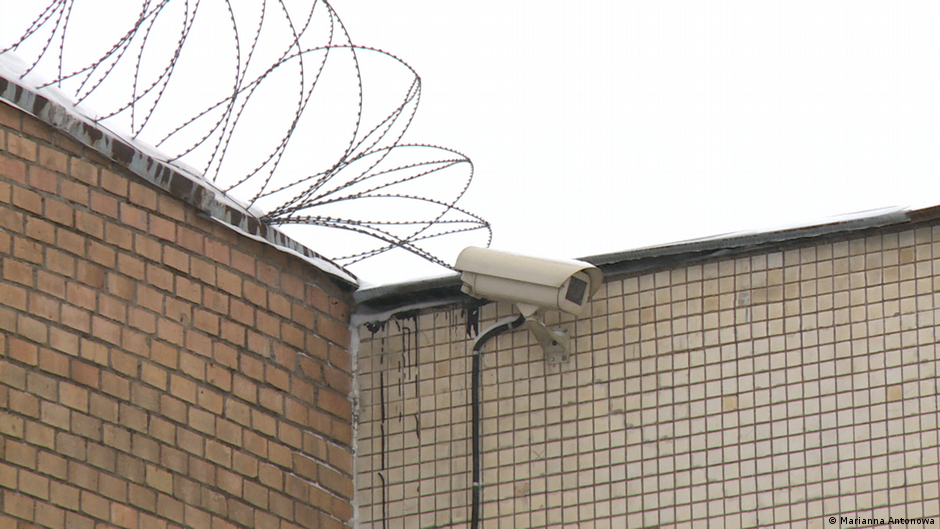
Remeslo is currently held in Moscow's SIZO-7 detention facility, with his case set for hearing in the Basman Court, where he faces up to ten years imprisonment. The high-profile nature of the case adds to the uncertainty facing Russian equities and bond markets, as investors weigh the risks of escalating state crackdowns amid an already challenging geopolitical landscape.
The case comes after a notable career trajectory for Remeslo, once a member of the Russian Civic Chamber and a vocal accuser of opposition figures, including Aleksei Navalny and the Anti-Corruption Foundation. His recent reversal to become an outspoken Putin critic is unusual and highlights the complex internal dynamics within Russia's political elite.
From a capital markets perspective, increased government pressure on dissent raises concerns over the rule of law and the reliability of institutional frameworks, factors critical to market stability. Investors are likely to reassess country risk premia, potentially leading to higher yields on Russian sovereign and corporate bonds, and increased volatility in equities.
Moreover, the symbolic use of psychiatric institutions such as the Serbsky Institute, known historically for its role in political repression, may deepen international scrutiny and sanctions risks. This intensifies the broader geopolitical risks that have already weighed on Russia's capital markets since the onset of the conflict with Ukraine.
Overall, Remeslo's detention underscores the fragile intersection of politics and markets in Russia. For investors, it serves as a reminder that political developments remain a key driver of market sentiment and risk assessments in the region.