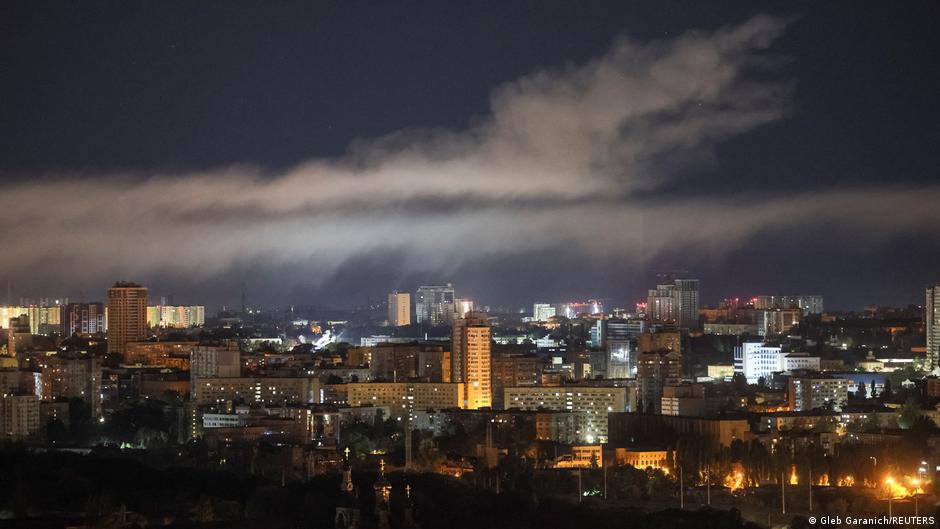
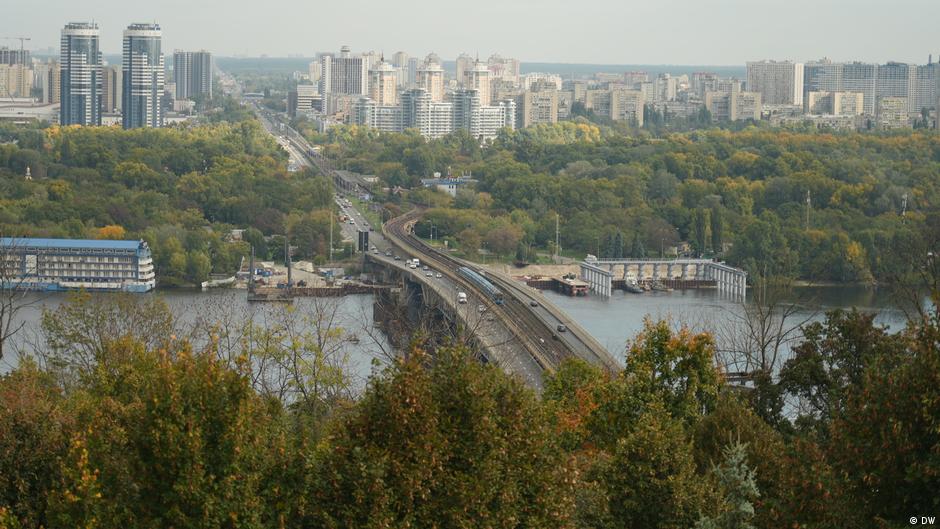
Drone and Missile Attacks in Odessa and Dnipro Raise Concerns for Ukrainian Market Stability
Recent attacks on Ukrainian cities have inflicted civilian casualties and property damage, potentially impacting regional economic and capital market confidence.
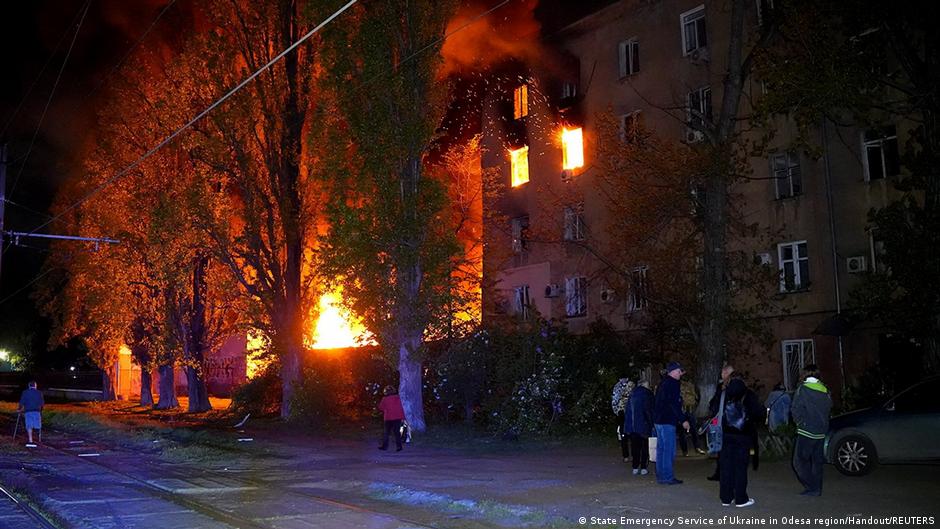
On the night of May 18, drone attacks in Odessa and missile strikes in Dnipro caused significant damage to residential buildings and injured multiple civilians, according to regional officials. These incidents have heightened concerns about the stability of Ukraine's economic environment amid ongoing hostilities, with potential repercussions for capital markets and investor sentiment.
Impact on Regional Stability and Market Reactions
Serhii Lysak, head of the Odessa city military administration, reported that drone strikes damaged residential homes, a lyceum, and a kindergarten in Odessa. Two individuals were wounded: an 11-year-old boy and a 59-year-old man. Emergency services are actively responding to the aftermath, deploying operational headquarters and utility crews to mitigate the consequences.
Simultaneously, Russian armed forces launched missile attacks on Dnipro, hitting a residential district and causing multiple fires, including a blaze on the roof of a 24-story building. Alexander Ganja, the Dnipropetrovsk regional military administration head, confirmed nine injuries, with four individuals hospitalized in moderate condition and five others, including a 10-year-old boy, receiving outpatient treatment. Several residents remain trapped in buildings affected by the strikes.
These violent incidents underscore the ongoing risks to civilian infrastructure and public safety in Ukraine's key urban centers. Such developments are likely to influence the country’s economic outlook, introducing volatility into Ukrainian equities and bonds as investors weigh the impact of continued conflict on regional growth prospects and market stability.
"The attacks on residential areas and critical infrastructure in Odessa and Dnipro not only cause human suffering but also raise questions about the resilience of local economies and investor confidence in Ukrainian markets," said a market analyst familiar with the region.
Investors with exposure to Ukrainian assets should monitor the situation closely, as continued military activity may affect credit ratings, sovereign bond yields, and the performance of domestic companies. The disruption of daily life and damage to key public services could also slow economic recovery efforts, further complicating Ukraine's financial landscape amid the conflict.
Capital markets have already reflected some of these concerns, with fluctuations observed in Ukrainian equities and sovereign debt. Should hostilities escalate or persist, the risk premium on Ukrainian investments may increase, impacting both domestic and foreign portfolio managers.
In summary, the drone and missile attacks in Odessa and Dnipro reveal the ongoing vulnerabilities faced by Ukraine’s urban centers and carry significant implications for capital markets. Stakeholders must remain vigilant about evolving geopolitical risks and their potential to affect investment decisions and economic stability in the region.