Drone Attacks on Russian Cities Spark Market Uncertainty Amid Escalating Ukraine Conflict
Recent drone strikes on Belgorod, Rostov-on-Don, and Engels military sites add pressure on Russian equities and bonds amid geopolitical tensions.

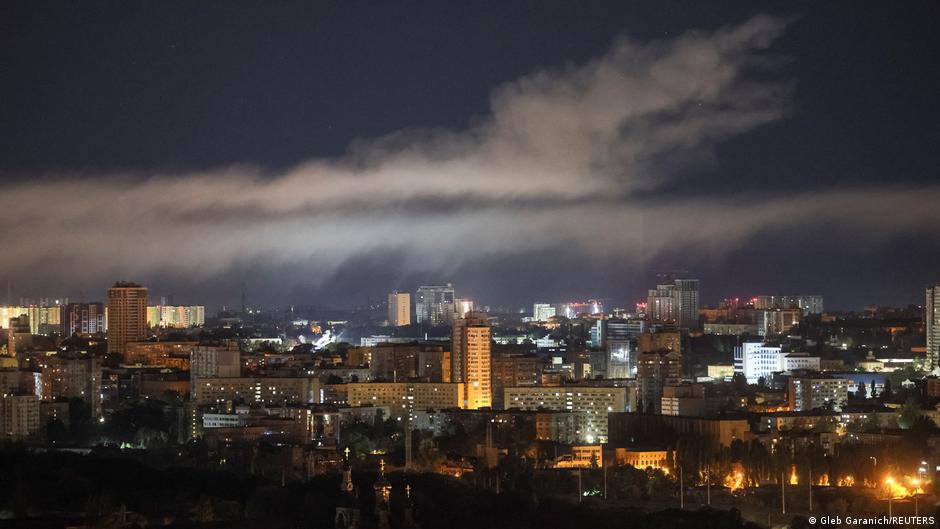
On the night of July 25, drone attacks targeted multiple locations in Russia, including the cities of Belgorod and Rostov-on-Don, as well as a military airfield in Engels. These strikes have heightened geopolitical tensions and contributed to increased market volatility, affecting Russian equities and sovereign bonds.
Details of the Drone Strikes and Immediate Impact
Belgorod, a key city near the Ukraine border, experienced fires and damage to various streets, according to Alexander Shuvaev, acting governor of Belgorod Oblast. Ukrainian monitoring sources reported targeted strikes on logistics warehouses and major energy infrastructure such as the Southern Substation and the "Luch" thermal power plant. The governor confirmed casualties but did not disclose their numbers.
Simultaneously, drone activity was reported in Rostov-on-Don, a major administrative center in southern Russia. City head Alexander Skryabin acknowledged the attacks without providing further details. Local residents shared social media images depicting fires in at least one location within the city.
In Engels, Saratov Oblast, a significant fire broke out on a military airfield housing the 22nd Guards Heavy Bomber Aviation Division. Though some local reports claim the blaze may have started accidentally rather than from a drone strike, the airfield has been a repeated target of drone attacks since the escalation of the Ukraine conflict. Notably, an earlier attack in mid-July damaged a Russian strategic bomber Tu-95MS stationed at the same facility.
"The repeated targeting of strategic military assets by drones underscores the ongoing risks to Russian defense infrastructure and the potential for further market disruptions," noted defense analysts.
Market Reactions and Investor Implications
The renewed drone attacks deepen uncertainties surrounding the ongoing conflict and raise concerns about the stability of Russian defense capabilities. These developments have triggered cautious investor sentiment, with Russian equities experiencing increased volatility amid fears of further escalation.
Russian sovereign bonds also faced downward pressure as geopolitical risks weigh on creditworthiness perceptions and currency stability. Investors remain vigilant, monitoring how such military events could influence Russia’s broader economic resilience, sanctions impact, and international relations.
For market participants, these attacks reinforce the importance of risk management strategies when dealing with assets linked to regions affected by geopolitical conflict. Diversifying portfolios and closely following developments in the Russia-Ukraine conflict remain critical for mitigating potential losses.
Overall, the recent drone strikes on Russian cities and military targets illustrate the persistent threats facing the region, which continue to ripple through financial markets and investor confidence.