Drone Strikes on Kharkiv and Odessa Residential Buildings Impact Local Markets and Investment Climate
Recent drone attacks in eastern Ukraine have caused civilian casualties and property damage, raising concerns over regional market stability and investor confidence.
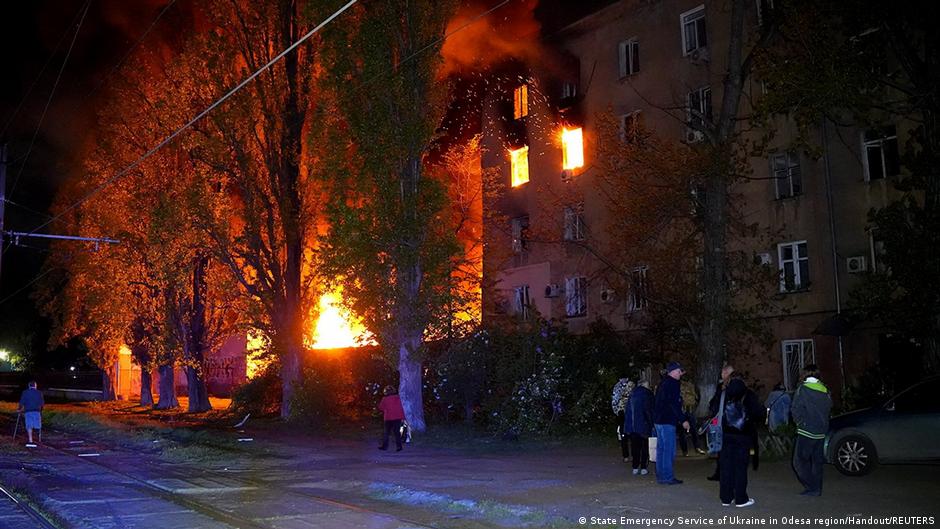
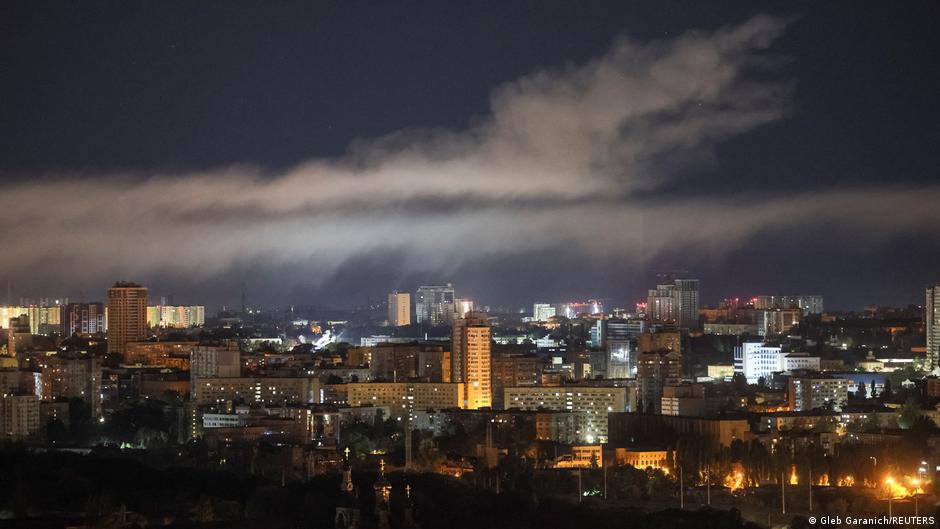
On the night of June 1, drone attacks targeted residential buildings in Kharkiv and Odessa, Ukraine's major urban centers, resulting in casualties and significant property damage. Local authorities reported that the strikes hit multi-story residential buildings, igniting fires and causing structural damage. These developments have sparked worries about the broader impact on regional markets, investor sentiment, and capital flows amid ongoing conflict tensions.
Impact of Drone Strikes on Civilian Infrastructure and Market Sentiment
According to statements from regional officials, a Russian drone struck a nine-story residential building in Odessa, partially destroying its first and second floors and damaging balconies and the facade. Fires broke out in this building and several other smaller structures, affecting at least four residents. In Kharkiv, a five-story apartment building and adjacent garages were hit, with fires reported as well. Additional drone impacts occurred in different districts, damaging private homes and infrastructure. The total number of injured reached seven across these cities and the surrounding region.
“These attacks not only threaten civilian lives but also shake the confidence of investors monitoring the region’s stability,” said a market analyst.
The attacks also extended to the city of Bohodukhiv in Kharkiv Oblast, where drone strikes caused injuries and property damage. Such security incidents exacerbate the uncertainty clouding Ukraine’s economic outlook, particularly in sectors reliant on stability such as real estate and financial markets.
On May 30-31, Ukrainian Air Forces reported 229 drone strikes by Russian forces across multiple locations, including industrial zones. One strike in Chernihiv Oblast led to a fatality and a fire that destroyed seven vehicles in a parking lot. These widespread attacks create operational disruptions and heighten risk perceptions among investors.
Market Reactions and Investor Concerns
The recent escalation in drone strikes has contributed to volatility in Ukrainian equities and bond markets. Investors remain cautious amid fears of expanding conflict zones impacting economic activity and asset values, especially in urban hubs like Kharkiv and Odessa that serve as key commercial centers.
Property markets face particular pressure as damage to residential and commercial buildings raises concerns about insurance costs, reconstruction timelines, and overall urban economic resilience. The uncertainty has led to subdued trading volumes and selective risk repricing in capital markets, with cautious foreign investor participation.
Fixed income instruments, including government and corporate bonds, have experienced moderate yield adjustments reflecting increased perceived credit risk amid regional security concerns. Market participants continue to monitor developments closely to gauge potential long-term impacts on Ukraine’s economic recovery and investment climate.
As the situation evolves, market stakeholders emphasize the need for robust risk management and diversified portfolios to navigate the unpredictability associated with ongoing hostilities and their economic ramifications.