EU Faces Internal Divisions Over Entry Ban on Russian Combatants Amid Sanctions Debate
Italy and France express concerns that banning Russian combatants could lead to broader travel restrictions affecting all Russian citizens within the EU.
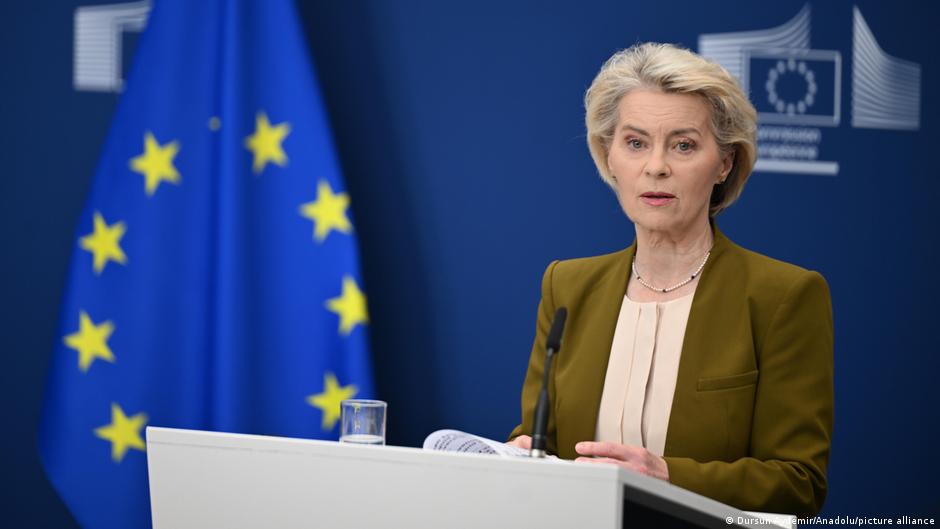
The European Union is grappling with internal disagreements regarding a proposed entry ban targeting Russian nationals involved in the war against Ukraine. As EU member states prepare to discuss the 21st package of sanctions against Russia on June 26, Italy and France have voiced hesitation about implementing a restriction that could inadvertently impact all Russian citizens seeking entry into the EU.
Market Implications of the Proposed Entry Ban
The European Commission's proposal, presented by Ursula von der Leyen on June 9, includes a ban on entry for individuals who have served in the Russian armed forces since the onset of the full-scale invasion of Ukraine. This measure is part of a broader package aimed at cutting off revenue streams that enable Russia to sustain its military operations.
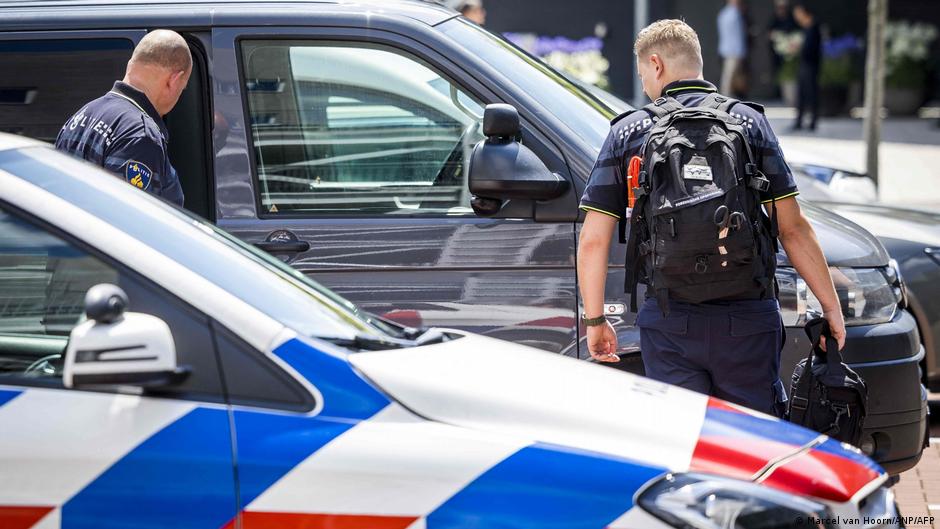
While the intent is to pressure Moscow into negotiations by tightening controls on military personnel mobility, Italy and France worry about the enforcement challenges. Specifically, they highlight the difficulty individual member states would face in verifying who participated directly in combat operations against Ukraine. This ambiguity raises concerns that the ban might be broadly or unevenly applied, potentially restricting travel for all Russians, which could have broader diplomatic and economic repercussions.
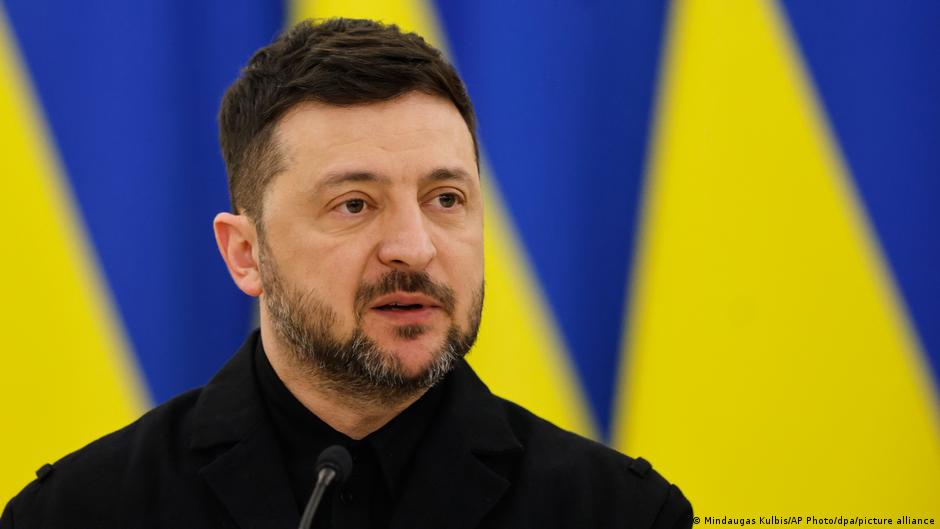
"Europe remains closed to all who have participated in the invasion of Ukraine," declared von der Leyen, emphasizing the EU's determination to escalate pressure through multiple sectors including energy, finance, trade, and fisheries.
From a capital markets perspective, these political uncertainties could influence investor sentiment and market stability within the EU. Travel and visa restrictions affecting a significant nationality like Russia's may have knock-on effects on sectors reliant on cross-border flows, including tourism, international business, and financial exchanges.
Moreover, the sanctions package includes energy-related measures such as the enforcement of a price cap on Russian oil—a mechanism whose effectiveness remains under scrutiny given the current high prices and complex supply chains. Market participants are closely monitoring how these constraints may impact global energy markets and the availability of raw materials.
The EU's goal is to close existing loopholes and intensify restrictions to diminish Russia’s war-funding capabilities. However, the political pushback from influential member states suggests a cautious approach, reflecting concerns about unintended economic consequences and the practical challenges of implementing targeted bans.
Investors should be attentive to the outcomes of the EU discussions, as the final sanctions package could affect not only geopolitical risk assessments but also market access and sector-specific dynamics across Europe.