Finland Seizes €3.7 Million in Russian Assets for Naftogaz Amid Arbitration Dispute
Finnish authorities confiscate Russian funds linked to EU border cooperation, impacting investors amid ongoing Naftogaz-Russia legal battle.
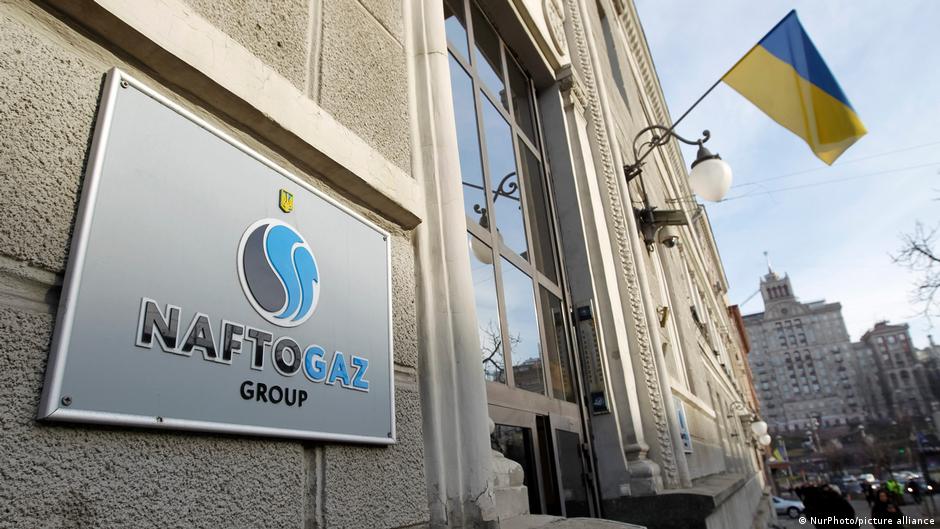
Finnish authorities have confiscated approximately €3.7 million in Russian assets at the request of Ukrainian state-owned company Naftogaz, marking a significant development in asset recovery efforts tied to the wider geopolitical conflict and arbitration rulings.
The funds were originally allocated by Russia to finance a cross-border cooperation program between Russia and the European Union, aimed at supporting economic development in border regions. However, following the 2022 invasion of Ukraine, the program was terminated, and the remaining funds stayed in Finland.
The confiscation stems from a 2023 ruling by the Permanent Court of Arbitration in The Hague, which ordered Russia to compensate Naftogaz with $5 billion for expropriated assets in annexed Crimea. With Moscow refusing to comply with this decision, Naftogaz has intensified efforts to enforce the award by targeting Russian assets abroad.
Market Impact and Investor Considerations
From a capital markets perspective, Finland’s move to seize these assets adds to a growing precedent of Western jurisdictions enforcing arbitration awards against Russian entities. This raises significant implications for investors holding Russian sovereign or corporate bonds, as well as equities exposed to geopolitical risks.
“The expanding scope of asset seizures linked to the Naftogaz arbitration case illustrates the increasing legal and political pressures on Russian state-related assets in international financial markets,” analysts note.
Previous seizures by Finland under Naftogaz claims have involved over €40 million in Russian assets, including real estate such as land and buildings owned by the Russian Science and Culture Center. These enforcement actions contribute to heightened uncertainty and potential depreciation in Russian-linked securities, influencing portfolio risk assessments.
Russia’s rejection of The Hague tribunal’s jurisdiction and threats of retaliatory measures against Helsinki further complicate the legal landscape, potentially affecting investor sentiment and cross-border capital flows. The ongoing conflict between international legal decisions and state-level political responses may prolong asset recovery timelines and increase volatility in affected markets.
For investors, monitoring developments in asset confiscations and related legal proceedings is critical for managing exposure to Russian assets. The enforcement actions underscore broader geopolitical risks and the challenges of investing in jurisdictions with unstable legal and political environments.