France Tightens Visa Issuance Rules for Russian Nationals Amid EU-Wide Changes
France joins Italy, Spain, and Hungary in restricting visa applications from Russians, impacting travel and market sentiment.
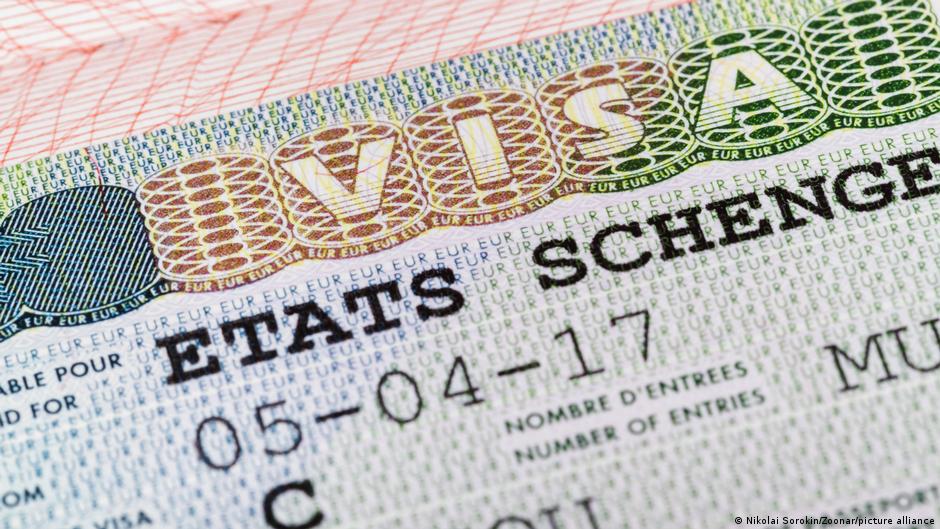
France has announced stricter visa issuance regulations for Russian citizens, following similar measures recently adopted by Italy, Spain, and Hungary. The changes, effective July 15, require visa applications to be submitted personally or via close relatives, eliminating previous options such as submissions through notarized powers of attorney.
Impact on Visa Processing and Market Sentiment
The French visa center in Moscow will no longer accept Schengen visa applications submitted under a notarized proxy. Only the applicant, parents or guardians for minors under 18, and immediate family members—spouses, children, and parents—may apply, provided they can present original documents proving kinship and that biometric data has been collected within the prior 59 months.
This tightening of procedures is coupled with mandatory biometric data collection for all applicants over the age of 12, and the requirement that visa application forms must be signed personally by the applicant.
"The tightening of visa processes across major EU countries restricts Russian travel options, potentially affecting investment flows and market confidence in the region."
Previously, Italy and Spain have experienced significant delays due to increased demand, with visa issuance times extending to 60 days and 45 days respectively. Hungary has also suspended visa acceptance in select Russian cities including Samara, Ufa, and Kazan.
From a capital markets perspective, these restrictions add uncertainty for investors with interests in Russia and Europe. Reduced travel flexibility can complicate business operations, limit face-to-face engagements, and impact cross-border transactions, which may be reflected in equities and bond market performance.
For investors, the visa policy environment is a relevant factor when assessing geopolitical risk and its influence on regional market stability. Companies reliant on cross-border mobility could face operational disruptions, potentially affecting their stock valuations and creditworthiness.
Overall, the evolving visa restrictions underscore increasing geopolitical tensions and their tangible consequences in the capital markets, urging investors to monitor regulatory changes closely and adjust risk assessments accordingly.