Kosovo’s Ruling Vetëvendosje Party Wins Parliamentary Elections Amidst Coalition Challenges
Vetëvendosje secures 43% of votes in Kosovo’s snap elections, market watchers assess implications for political stability and investor confidence.
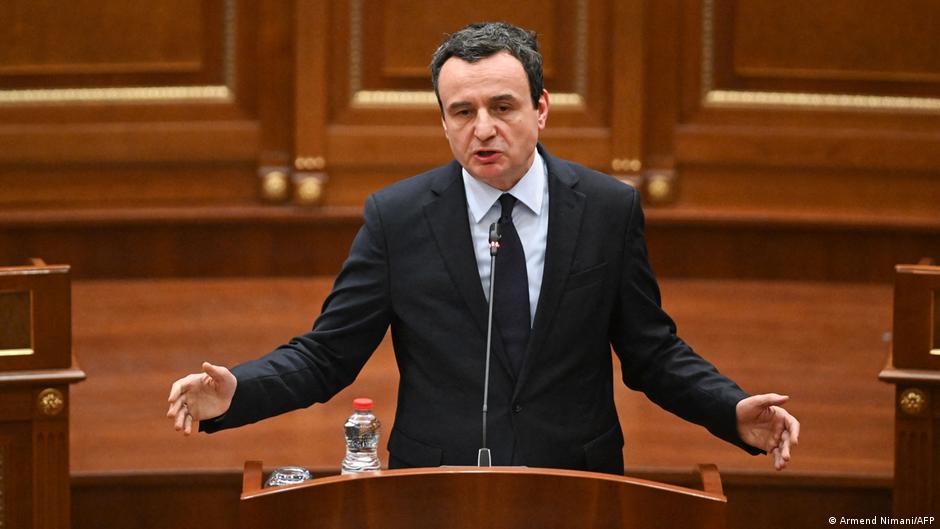
The ruling Vetëvendosje party, led by Prime Minister Albin Kurti, won Kosovo’s recent snap parliamentary elections with 43% of the vote, according to official results released after counting 99.4% of ballots.
This marks the third parliamentary election within 18 months for the Balkan country, underscoring ongoing political volatility.
Market Reactions and Political Implications
While Vetëvendosje's victory reinforces Kurti’s pro-Western agenda and Kosovo’s aspirations toward European Union membership, the need to form a coalition government introduces uncertainty that investors will closely monitor.
The party fell short of an outright majority, requiring partners to establish a stable government. The main opposition includes the Democratic Party of Kosovo with 21% support, and the Democratic League of Kosovo at 18%. Voter turnout was below 37%, reflecting political fatigue among the electorate.
"The formation of a functioning coalition is essential for political stability and institutional resilience, which are prerequisites for economic reforms and foreign investment."
Kurti’s hardline stance on the Serb minority in northern Kosovo and efforts to reinforce government control over the region may present both challenges and opportunities for foreign investors, especially as Kosovo continues to seek EU accession.
From a capital markets perspective, political stability is a key determinant for bond and equity market performance. The uncertainty surrounding coalition talks could weigh on investor sentiment in the short term, especially given Kosovo's geopolitical sensitivities and ongoing tensions with Serbia and neighboring countries.
Moreover, the fragmented parliamentary landscape post-election raises questions about the pace and scope of reforms. Markets typically favor predictable policy environments, and delays in forming a government may hinder progress on structural reforms critical to attracting foreign direct investment.
Investors should also consider the regional context: Kosovo’s independence, declared in 2008, remains unrecognized by Serbia, Russia, and five EU member states, factors that contribute to geopolitical risk premiums in local assets.
Overall, while Vetëvendosje’s victory signals continuity in leadership committed to Western integration, the coalition-building phase represents a period of heightened political risk. Market participants will be watching closely for developments that could impact Kosovo's bond yields, equity market prospects, and investor confidence.