Market Impact of Attack Near Starobelsk Raises Concerns for Regional Stability and Investor Sentiment
The attack in Starobelsk that caused civilian casualties has heightened geopolitical risks, affecting regional equities and bond markets.
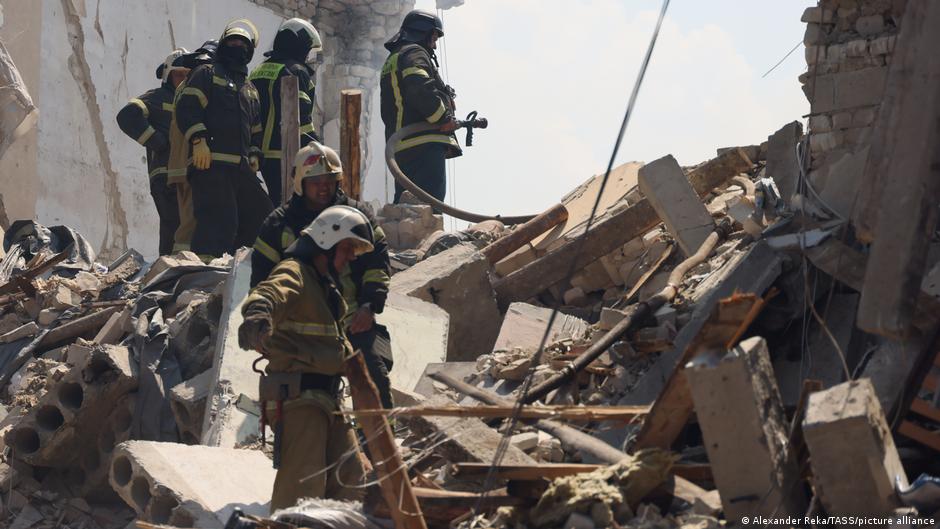
The recent attack on educational institutions in Starobelsk, resulting in the deaths of 21 civilians, has intensified geopolitical tensions in the region, creating ripple effects across capital markets. This tragic event, involving a strike on a pedagogical university dormitory and college, has not only raised humanitarian concerns but also influenced investor behavior amid ongoing conflict.
Market Reactions and Investor Sentiment
Following the attack on May 22, which reportedly killed 21 and injured 63 individuals, financial markets in the region have exhibited volatility. The uncertainty surrounding the conflict and potential for escalation has prompted investors to reassess risk exposure, particularly in regional equities and sovereign bonds.
"The deteriorating security situation is likely to weigh heavily on market confidence, potentially leading to increased volatility in both equity and fixed-income assets linked to the affected area," said a market analyst.
Equity markets with exposure to the region have seen downward pressure as investors seek safer assets. Bond yields on regional sovereign debt have spiked, reflecting perceived heightened credit risk amid instability. The implications are significant for portfolio allocations, especially for funds with emerging market or conflict-zone exposure.
Background of the Incident and Strategic Implications
The strike targeted a pedagogical university dormitory and college in Starobelsk, reportedly carried out by Ukrainian forces according to Russian Emergency Ministry reports. The buildings were said to house 86 students aged 14 to 18 during the attack. Russian-appointed authorities in the so-called Luhansk People’s Republic blamed Ukrainian drones for the strike, which escalated casualties as rescuers recovered more victims from the rubble.
Conversely, Ukrainian military sources have denied targeting civilian facilities, stating the attack focused on several military targets including an oil refinery, ammunition depots, air defense assets, and command centers associated with Russian forces. The Ukrainian General Staff noted that one such target was a headquarters of the "Rubikon" military unit linked to drone operations near Starobelsk, though it did not confirm the building’s exact location.
This conflicting information adds layers of uncertainty for investors, complicating risk assessments and due diligence processes for assets linked to the region.
What Investors Should Watch
Market participants should monitor developments closely, including further military action, diplomatic responses, and humanitarian situations. The risk of sanctions, supply chain disruptions, and investor aversion to conflict zones may continue to impact the performance of equities and bonds tied to this geography.
Amid the increasing geopolitical risk, diversification and risk mitigation strategies become critical for investors to protect portfolios from sudden market shocks. Additionally, analysts advise attention to currency fluctuations and credit spreads as barometers of market sentiment regarding the conflict.
In summary, the tragic attack in Starobelsk has underscored the fragile stability in the region and its broader implications on capital markets, highlighting the need for vigilant risk management in volatile geopolitical environments.