PACE Resolution Criticizes Georgia’s Democratic Backsliding, Raising Market Concerns
European assembly urges Georgian authorities to halt opposition suppression and enact reforms amid political tensions impacting investor confidence.
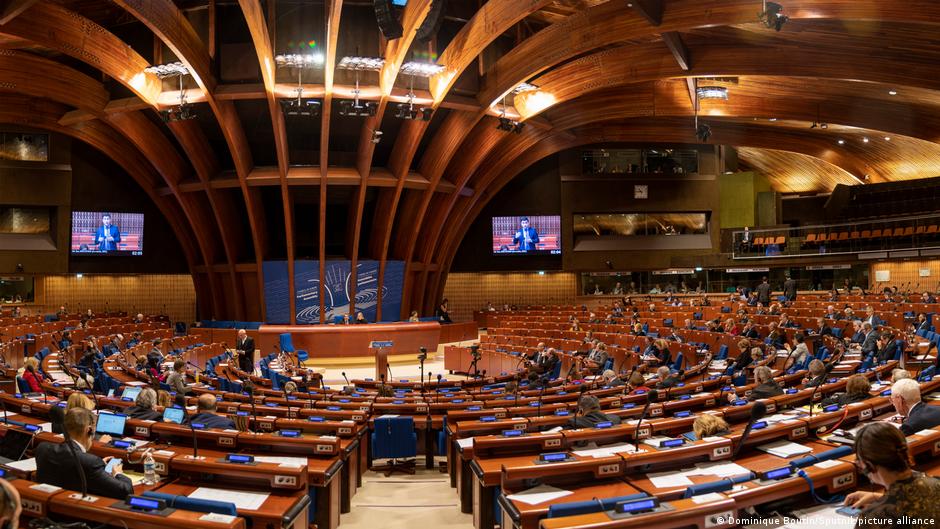
On June 24, the Parliamentary Assembly of the Council of Europe (PACE) adopted a resolution sharply criticizing Georgia’s recent democratic decline. The document calls on Georgian authorities to withdraw a series of repressive laws, cease persecution of opposition leaders, and create conditions for free and democratic elections. These developments have stirred concerns in capital markets regarding political stability and its impact on investment risks.
Political Turmoil and Market Implications
The resolution passed decisively, with 83 votes in favor, 5 against, and 4 abstentions. It highlights ongoing suppression of civil society and political opposition despite prior recommendations, emphasizing the need for urgent democratic reforms.
"PACE expresses deep concern over the continued democratic backsliding in Georgia, manifested in suppression of civil society, political opposition, and dissent," the resolution states.
Investors closely monitor such political developments, as weakening democratic institutions often correlate with increased volatility in equities and sovereign bonds. Specifically, Georgia’s perception as a stable investment destination risks deterioration amid persistent political risks. Additionally, the resolution's call to investigate police violence during demonstrations and implement rulings from the European Court of Human Rights further underscores governance challenges.
The Georgian parliament speaker, Shalva Papuashvili, responded critically, labeling the PACE resolution as "anti-Georgian" and accusing European institutions of undermining Georgia's sovereignty. He noted that PACE and the European Parliament failed to recognize the ruling Georgian Dream party’s 2024 election victory, demanding new elections instead. This friction has already led to Georgia’s delegation suspending its membership in PACE about 18 months ago.
Such deteriorating political relations with European institutions risk undermining Georgia’s aspirations for closer integration with Western markets and could potentially trigger risk premiums on Georgian sovereign debt. Investors should watch closely for any escalation or reforms that could affect fiscal and economic stability.
Investor Takeaways
Georgia’s geopolitical tensions and democratic regression present a complex risk scenario for capital markets. Market participants should consider:
- Equity Market Volatility: Political uncertainty may depress investor sentiment, leading to increased volatility and potential capital outflows from Georgian equities.
- Sovereign and Corporate Bonds: Heightened political risk can widen sovereign bond spreads, increasing borrowing costs and impacting corporate financing conditions.
- Foreign Direct Investment: Investor confidence in rule of law and governance is critical; sustained political repression may deter new investments.
- Currency Impact: Risk-off sentiment could weigh on the Georgian lari, affecting import costs and inflation.
Overall, the PACE resolution signals a need for investors to reevaluate risk exposures tied to Georgia. While the country continues to pursue European integration, political instability remains a key downside risk affecting capital market performance.