Paxtakor Football Club Reports 50 Billion Uzbek Soum Loss in 2025 Amid Financial Struggles
Paxtakor incurs significant losses in 2025 with over 17 billion soums in tax debt, impacting investor confidence in Uzbek sports sector.
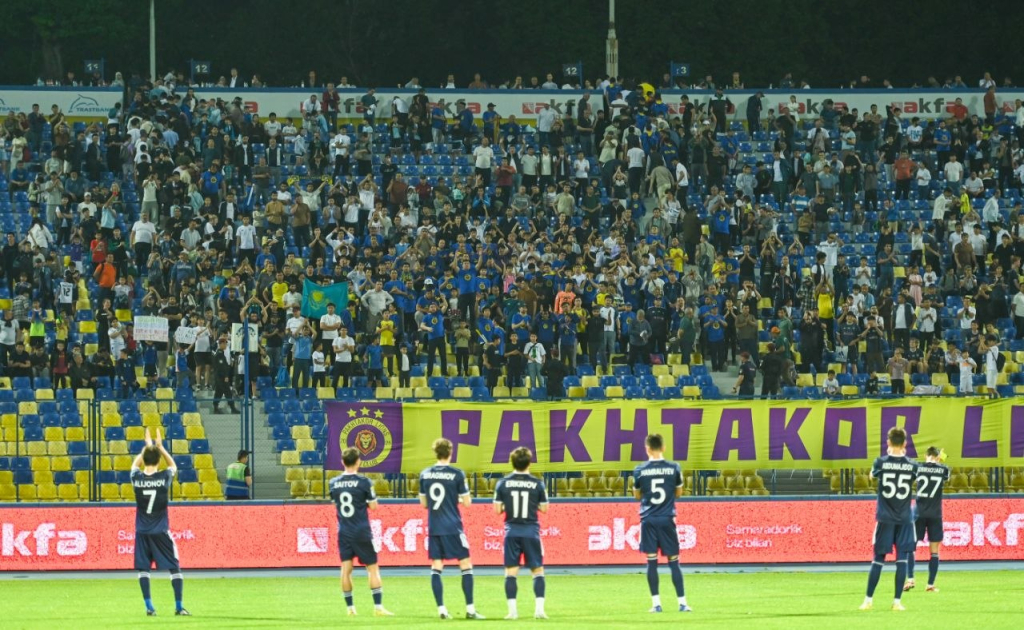
Uzbekistan's leading football club, Paxtakor, has reported a substantial financial loss for the year 2025, with the club posting a deficit exceeding 50 billion Uzbek soums according to its recent financial statements. This marks a stark reversal from the previous year, when the club reported a net profit of nearly 37 billion soums.
Financial Performance and Market Implications
In 2025, Paxtakor generated revenues of 15.3 billion soums from its primary activities, with additional income from other operations totaling 63.6 billion soums. However, total expenses surged to 128.9 billion soums, resulting in a net loss of approximately 50.8 billion soums. This financial downturn is particularly notable given Paxtakor’s status as a multiple-time national champion and a key asset within the Uzbek sports market.
"The club ended 2025 with a loss of 50 billion soums and a tax liability exceeding 17 billion soums," the financial disclosure revealed.
Paxtakor also faces a tax debt of 17.1 billion soums, despite having paid close to 11 billion soums in taxes during the year. These liabilities raise concerns about the club's fiscal management and its broader impact on investor sentiment, considering its ownership by the Tashkent city administration.
From a capital markets perspective, this financial instability could weigh on investor confidence in sports-related equities and state-affiliated enterprises in Uzbekistan. The club’s poor earnings performance contrasts sharply with the positive results achieved in 2024, highlighting volatility in revenue streams and expense management within the sector.
Ownership and Privatization Outlook
Currently, Paxtakor is wholly owned by the Tashkent city government, with the club chaired by Jahongir Ortiqxo‘jayev, a former city mayor and entrepreneur. Earlier in 2024, the State Asset Management Agency announced plans to privatize the club. However, subsequent updates have been scarce, and Ortiqxo‘jayev expressed reluctance to pay even nominal fees for the club’s acquisition, indicating uncertain prospects for privatization.
Looking ahead, Uzbek Super League participants will start receiving government subsidies of 35 billion soums from 2026, decreasing over the next two years to encourage clubs to develop independent revenue models. This planned fiscal policy shift aims to reduce reliance on state funding, potentially creating new financial pressures on clubs like Paxtakor to diversify income sources and improve financial discipline.
For investors, these developments suggest a period of adjustment within Uzbek sports franchises, with market participants needing to monitor how clubs manage financial restructuring and revenue diversification amid evolving government support frameworks.