Russia Declares US-Based Human Rights Foundation 'Undesirable,' Impacting Market Sentiment
Russian prosecutor labels Human Rights Foundation undesirable, citing its anti-government content and leadership changes.
On August 6, 2024, the Russian General Prosecutor's Office officially designated the American non-profit organization Human Rights Foundation (HRF) as "undesirable" within the Russian Federation. This move reflects increasing government scrutiny of foreign NGOs and has potential implications for Russia’s capital markets and investor confidence.
Background and Rationale Behind the Designation
Founded in 2005, the Human Rights Foundation promotes human rights advocacy globally. Recently, the foundation launched the "Tyranny Tracker," an interactive map assessing countries' adherence to democratic values. Russia was marked as a fully authoritarian state on this platform.
The Russian prosecutor's office stated that the HRF disseminates information that "discredits" the Russian military and supports other organizations already banned in Russia. This designation restricts HRF's activities, including limiting their ability to operate or collaborate within Russia.
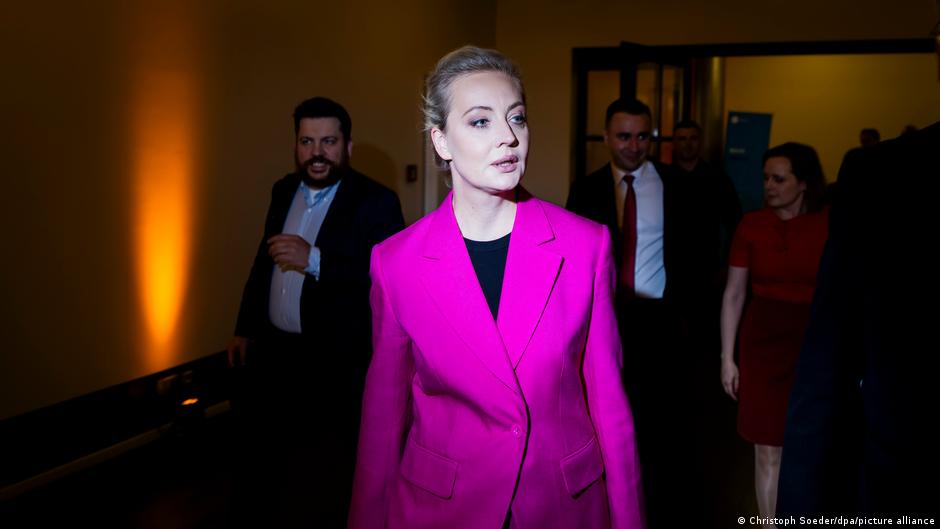
In addition to the content-related concerns, leadership changes at HRF have raised the profile of the organization. In 2024, Yulia Navalnaya, a prominent figure known for her political activism, succeeded former World Chess Champion and opposition leader Garry Kasparov as chair of the foundation.
"The designation reflects Moscow's tightening regulations on NGOs perceived to challenge state narratives, signaling increased political risks for foreign entities linked to civil society initiatives."
Implications for Capital Markets and Investors
Although the Human Rights Foundation itself does not engage in commercial activities or market trading, this designation contributes to an environment of heightened geopolitical tension. Investors monitoring Russian equities and bonds may interpret such governmental actions as part of a broader clampdown on civil liberties and foreign influence, factors that can indirectly affect market stability and investor sentiment.
Foreign institutional investors typically scrutinize political risk when allocating capital. The proscription of HRF, especially amid ongoing leadership changes and politically charged initiatives such as the Tyranny Tracker, indicates increased state control over non-governmental actors. This may signal a less predictable regulatory environment for businesses and investors alike.
Moreover, sanctions-like measures and restrictions can exacerbate existing concerns around transparency, governance, and reputational risks associated with Russian assets. Bondholders and equity investors may respond by reassessing risk premiums or adjusting portfolio exposures accordingly.
Market analysts suggest that such developments add another layer of complexity to Russia’s investment landscape. While the immediate financial impact on securities is likely limited, the broader implications for market confidence and foreign capital inflows warrant close attention.
Overall, the HRF’s designation as "undesirable" highlights the intertwining of political actions and capital market dynamics within Russia, reinforcing the need for investors to remain vigilant about geopolitical and regulatory developments.