Russian Ballistic Missile Strikes on Kyiv Raise Market Concerns Over Regional Stability
Russian missile attacks on Kyiv result in fatalities and infrastructure damage, prompting caution among investors amid heightened geopolitical tensions.
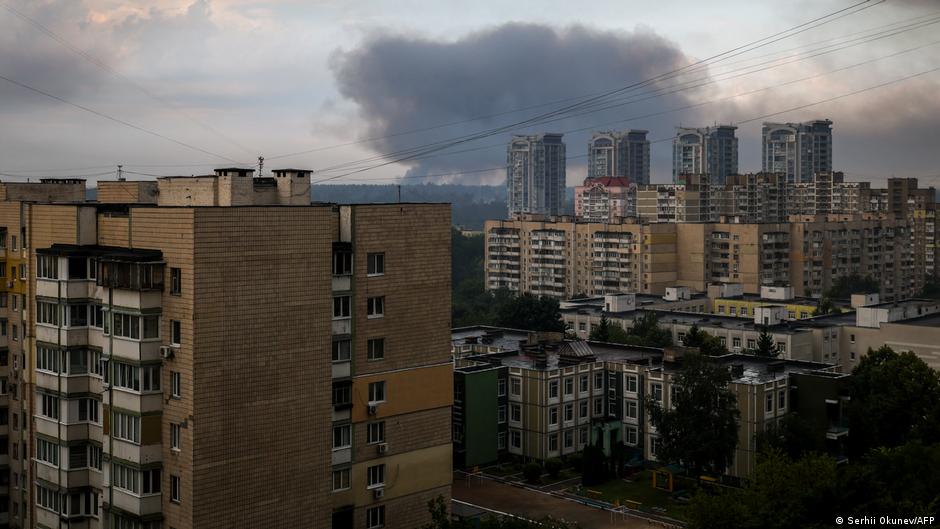
In the early hours of August 20, Russian forces launched ballistic missile strikes on Kyiv, inflicting significant casualties and damage to civilian infrastructure. At least five people were reported killed and 23 injured in the attacks, which targeted residential and medical facilities across the Ukrainian capital.
The assault resulted in destruction of two multi-story residential buildings and damage to a children's hospital, with fires reported in various districts. These developments have intensified concerns over the persistently volatile security environment in Eastern Europe.
Market Reactions and Investor Implications
The missile strikes come amid ongoing conflict that continues to weigh heavily on regional capital markets. Equity indices across Eastern Europe experienced immediate volatility as investors reassessed geopolitical risk premiums, while bond yields for Ukrainian sovereign and corporate debt saw a notable uptick reflecting heightened credit risk concerns.
“Heightened military activity in Kyiv underscores the fragile security landscape, prompting investors to adopt a more cautious stance towards exposure in regional markets,” said market analysts.
Foreign direct investment sentiments have been dampened, given the increased threat level to civilian infrastructure and potential for escalated conflict. This has also pressured the Ukrainian hryvnia against major currencies, as capital outflows accelerate amid uncertainty.
Investors with holdings in Ukrainian equities or bonds are facing elevated volatility and potential liquidity constraints. The damage to critical infrastructure, including healthcare facilities, also signals possible disruptions to economic activity, further impacting corporate earnings forecasts.
Global markets are closely monitoring these developments, as renewed hostilities could have wider implications for energy supplies and investor confidence across Europe. Defensive sectors and assets perceived as safe havens have attracted inflows amid the turbulence.
Overall, the ballistic missile strikes on Kyiv serve as a stark reminder of the geopolitical risks that continue to challenge market stability in the region. Investors are advised to remain vigilant and consider risk mitigation strategies in their portfolios.