Russian Market Impacted as Millions of Citizens Face Political Silence Amid War
Renowned filmmaker’s anti-war message ignored by Kremlin, highlighting widespread disenfranchisement affecting investor sentiment.
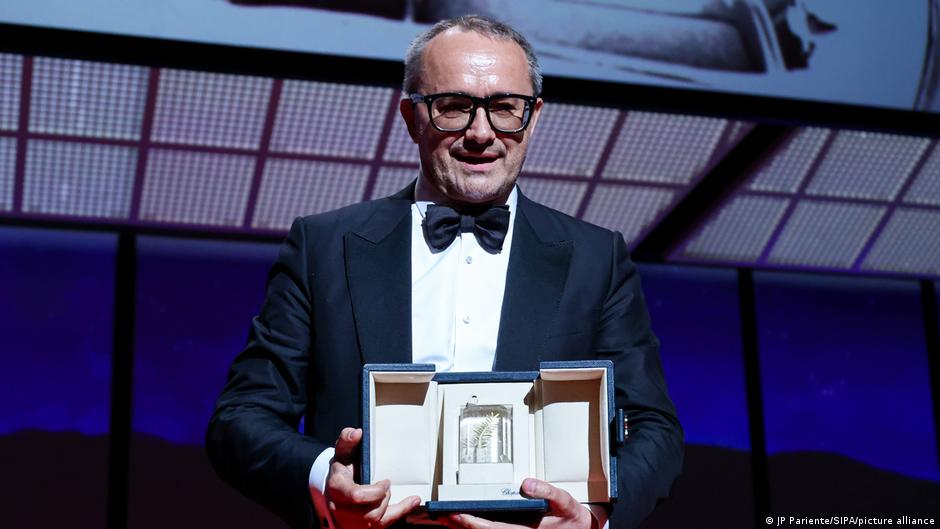
On May 23, acclaimed Russian director Andrey Zvyagintsev, awarded the Grand Prix at the Cannes Film Festival for his film "The Minotaur," issued a direct appeal to President Vladimir Putin to end Russia's ongoing war in Ukraine. His heartfelt plea was met with applause by the festival audience but was subsequently dismissed by the Kremlin, underscoring the political disenfranchisement of millions of Russian citizens.
Market Sentiment Amid Political Repression
Zvyagintsev’s speech emphasized the human cost of the conflict, addressing the desire of millions on both sides for peace and urging the Russian president to halt the violence. However, Kremlin spokesman Dmitry Peskov refused to relay the director’s anti-war message to Putin, stating that Zvyagintsev "has no right to voice criticism" given his past silence on the conflict since 2014. Peskov further indicated that no official would bring the message to the president, effectively silencing one of the country’s prominent cultural figures.
"Yes, it’s true—I have no right to voice my opinion, just as hundreds of millions of Russians do not, because their voices have never been heard," Zvyagintsev responded.
This dynamic of restricted political expression and public dissent contributes to heightened uncertainty in Russia’s capital markets. Domestic equities have been pressured by increasing geopolitical risks, compounded by the government’s rigid stance against internal criticism and the suppression of opposition voices.
Investors are navigating a constrained environment where political signals are tightly controlled, limiting transparency and increasing the risk premium demanded by both equity and bond markets. The Kremlin’s refusal to entertain voices calling for peace adds to concerns over the potential duration and escalation of the conflict, which adversely affects investor confidence.
Bond yields on Russian sovereign and corporate debt have reflected this unease, with spreads widening and liquidity strains persisting. Foreign investor participation remains limited due to sanctions and geopolitical risks, further isolating Russian capital markets from global financial flows.
For domestic investors, the government's stance signals a prolonged period of uncertainty. The suppression of dissent and absence of meaningful political dialogue dampen prospects for policy reforms that might stabilize markets or foster economic recovery. Instead, the focus shifts to managing risk under an opaque political environment where calls for peace are effectively muted.
Market analysts caution that without a clear resolution to the conflict or a shift in political openness, volatility and downward pressure on Russian equities and bonds are likely to continue. Investors must weigh the geopolitical risks alongside corporate fundamentals, considering the broader economic impact of ongoing international sanctions and internal political dynamics.