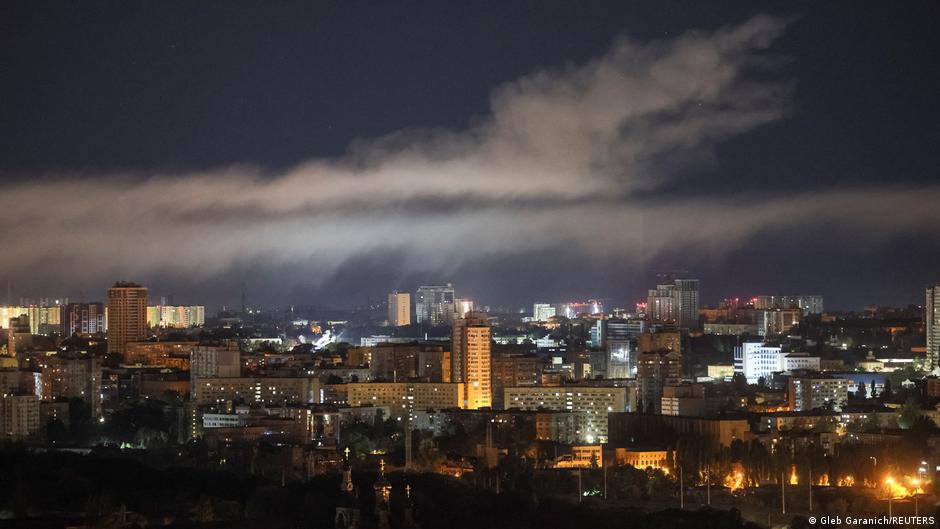
Russian Missile Strikes in Kyiv Damage Cultural Sites, Raise Market Uncertainty
Russian attacks on Kyiv damaged key cultural institutions including the Chernobyl Museum, impacting investor confidence amid ongoing conflict.
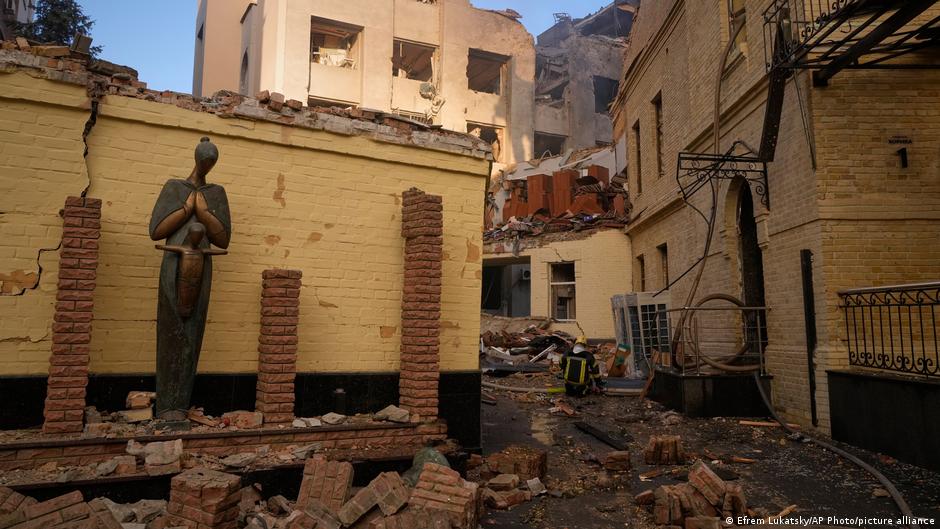
On the night of May 24, a significant Russian missile strike targeted Kyiv, causing extensive damage to multiple cultural landmarks, including the National Museum “Chernobyl.” The attack resulted in the loss of approximately 40% of the museum's exhibits and forced its temporary closure. This escalation in military aggression is raising concerns among investors about the broader implications for Ukraine's stability and economic outlook.
Impact on Cultural Institutions Highlights Rising Risks
The National Museum “Chernobyl,” which commemorates the 1986 nuclear disaster, had only recently reopened following major renovations. The missile strike inflicted severe structural damage on the building, ignited fires, and partially collapsed the interior ceiling. Despite rapid evacuation efforts by museum staff and rescuers, a substantial portion of invaluable exhibits was irrevocably destroyed. Among the saved artifacts were artworks by Maria Prymachenko and the Ukrainian flag raised at the Chernobyl nuclear site after its 2022 liberation.
“About 40% of the museum’s exhibits were lost, but key items were preserved due to prompt evacuation efforts,” stated Ukrainian officials.
The attack was part of the most intensive shelling campaign on Kyiv since Russia’s invasion began, targeting various cultural and administrative centers including the National Art Museum, the National Philharmonic, the National Music Academy, the Yaroslav Mudry Library, and the Kyiv Opera House. Other affected sites included the Hinaus cultural space, the Ukrainian House, and historic architectural monuments like the Contract House and the Postal Station.
Additionally, the strike damaged offices of prominent German media outlets Deutsche Welle and ARD, as well as several residential buildings and a commercial shopping center. The human toll included at least four fatalities and over 80 injuries across Kyiv and the surrounding region.
Market and Investor Implications
The intensified bombardment comes amid an ongoing conflict that had already strained Ukraine’s economic and capital markets. The targeting of culturally significant sites signals risks beyond immediate military and humanitarian concerns, potentially affecting investor sentiment and capital flow.
Ukraine’s capital markets have been sensitive to escalations, with equities and sovereign bonds experiencing volatility linked to geopolitical tensions. The destruction of key cultural landmarks could exacerbate these anxieties by highlighting the vulnerability of critical infrastructure and the broader societal impact of sustained conflict.
Defense analysts reported that Russian forces launched approximately 90 missiles and 600 drones during the night strike, focusing attacks on Kyiv and Bila Tserkva in Kyiv Oblast. Notably, a medium-range ballistic missile, the "Oreshnik," was employed – marking its third documented use since the war began. Russia claimed the strikes targeted military command centers, airbases, and defense industry facilities; however, local reports indicated collateral damage to civilian infrastructure.
President Volodymyr Zelensky underscored the indiscriminate nature of the attacks, stating, “Three Russian missiles hit a water supply facility, burned down a market, damaged dozens of residential buildings and several schools, and launched the 'Oreshnik' missile against Bila Tserkva.” This sentiment reflects growing concerns about the conflict’s impact on civilian life and economic stability.
For investors, the unfolding events underscore the importance of closely monitoring geopolitical risks that influence market confidence in Ukraine. The damage to cultural and civilian infrastructure not only affects national morale but also signals ongoing instability that could affect investment returns in equities, bonds, and other financial instruments tied to the region.
As Kyiv and the surrounding regions brace for further uncertainty, market participants are advised to assess risk exposure carefully and consider the broader implications of continued conflict escalation on Ukraine’s capital markets.