Russian Missile Strikes on Kyiv Trigger Market Concerns Amid Rising Geopolitical Risks
New Russian missile and drone attacks on Kyiv heighten uncertainty, impacting equity and bond markets as investors weigh escalation risks.
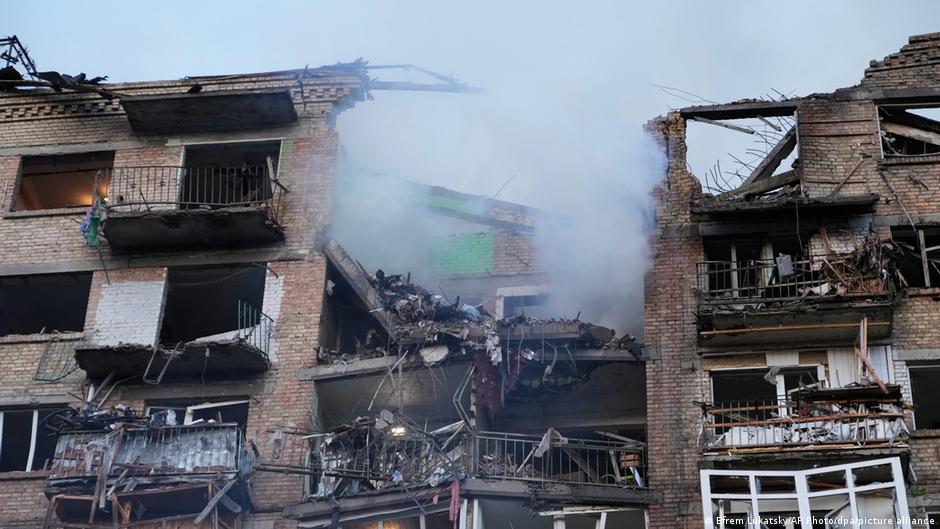
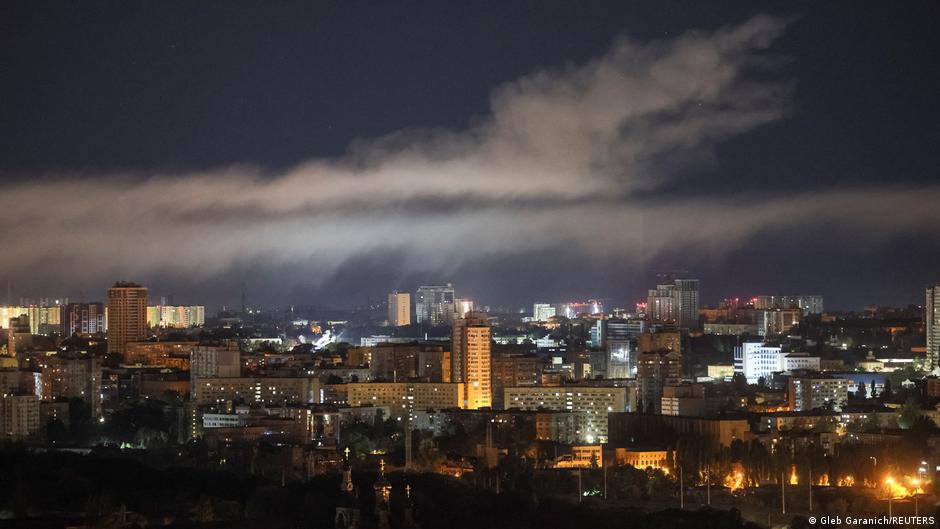
On the night of May 24, Russian forces launched a renewed barrage of missile and drone strikes targeting Kyiv and its surrounding areas, causing multiple casualties and widespread damage. The mayor of Kyiv, Vitali Klitschko, reported at least 21 people injured, with 13 hospitalized and three in critical condition after drones struck residential buildings across several city districts.
This latest escalation followed intelligence warnings from Ukrainian President Volodymyr Zelensky, who cited preparations by Russia to deploy the "Oreshnik" medium-range ballistic missile. While official confirmation remains pending, social media footage appears to show the missile's distinctive warhead separation and large explosions south of Kyiv, in Bila Tserkva.
Market Reactions and Investor Implications
The growing use of advanced ballistic missile systems like the Oreshnik, previously employed in November 2024 and January 2026, signals a dangerous intensification of the conflict. The repeated strikes not only threaten civilian safety but also exacerbate geopolitical instability in the region, causing notable ripples across financial markets.
"The prospect of continued and escalating missile attacks raises significant uncertainty for investors, particularly in Eastern European equities and sovereign bonds," said a market analyst.
Investors closely monitor developments in Ukraine given their potential to impact global risk sentiment. Equity markets in the region have shown increased volatility amid fears of broader escalation. Meanwhile, Ukrainian government bonds face pressure as the conflict's duration and intensity weigh on credit risk assessments.
Western partners have been urged by Kyiv to intensify pressure on Moscow preemptively to deter further aggression. This call for heightened sanctions and military support reflects concerns that delayed responses could prolong the conflict, thereby sustaining market instability.
In the short term, market participants may see increased demand for safe-haven assets such as gold and government bonds from stable economies, while riskier assets linked to the region remain under scrutiny. The continuation of missile strikes underlines how geopolitical events in Eastern Europe continue to play a pivotal role in shaping global capital flows and investor strategies.
As the conflict evolves, investors need to stay vigilant to rapidly changing conditions, balancing the risks of escalation against potential opportunities arising from shifts in global policy and security dynamics.