Russian Strikes on Sumy and Zaporizhzhia Raise Concerns for Ukrainian Market Stability
Recent Russian drone and missile attacks on Sumy and Zaporizhzhia have resulted in civilian casualties, adding to market uncertainty in Ukraine.
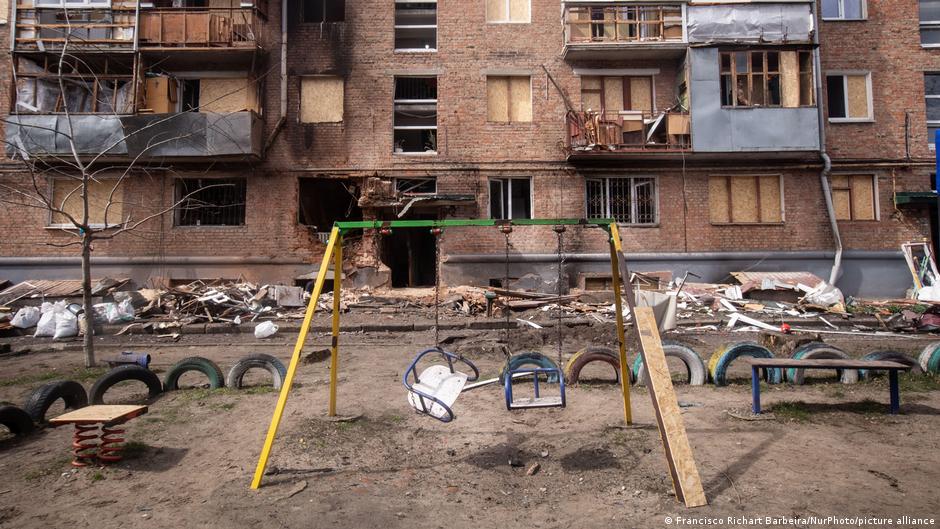
On the evening of July 3, Russian forces launched a series of drone and aerial missile strikes targeting the Ukrainian cities of Sumy and Zaporizhzhia. These attacks caused significant civilian casualties and damage, intensifying concerns about the stability of Ukraine's economic environment and capital markets.
Market Implications of Ongoing Conflict in Eastern Ukraine
According to local military administration reports, the strikes on Sumy resulted in the deaths of four civilians, including a five-year-old girl and her mother, and injured 27 others, among them seven children. One of the projectiles hit a residential area in the Kovpakivskyi district, damaging a multi-story building, a retail store, and a roadway in a densely populated area. The severity of injuries ranged from moderate to critical, impacting the local community deeply.
Simultaneously, Zaporizhzhia was also targeted by missiles and drones, affecting both residential neighborhoods and industrial facilities. The assault led to two fatalities and wounded 21 individuals.
These attacks come amid an already turbulent period for Ukraine's capital markets. Persistent military aggression exacerbates investor uncertainty, triggering volatility in equities and bonds linked to Ukrainian assets. The human toll and infrastructure damage further weigh on economic recovery prospects, potentially affecting foreign direct investment and domestic market confidence.
"The strikes on civilian centers not only cause tragic loss of life but also undermine investor confidence crucial for Ukraine's economic resilience," noted market analysts following the attacks.
Equity markets sensitive to geopolitical risks have exhibited cautious trading patterns following the news, with sell-offs observed in Ukrainian stocks related to infrastructure and industrial sectors. Bonds issued by Ukrainian entities may face widening spreads as risk premiums adjust to the heightened conflict intensity.
For investors, these developments highlight the increased risk profile of Ukrainian assets. Diversification and risk management strategies are particularly critical in this environment, given the unpredictable nature of conflict-related disruptions.
As the situation evolves, continuous monitoring of both the security landscape and its economic repercussions will be essential for market participants. The resilience of Ukraine's capital markets depends significantly on the country's ability to maintain stability amid ongoing hostilities.