Russian Strikes on Ukrainian Energy and Port Infrastructure Trigger Market Uncertainty
Recent Russian attacks on Ukrainian energy assets and port facilities raise concerns for investors amid escalating regional tensions.
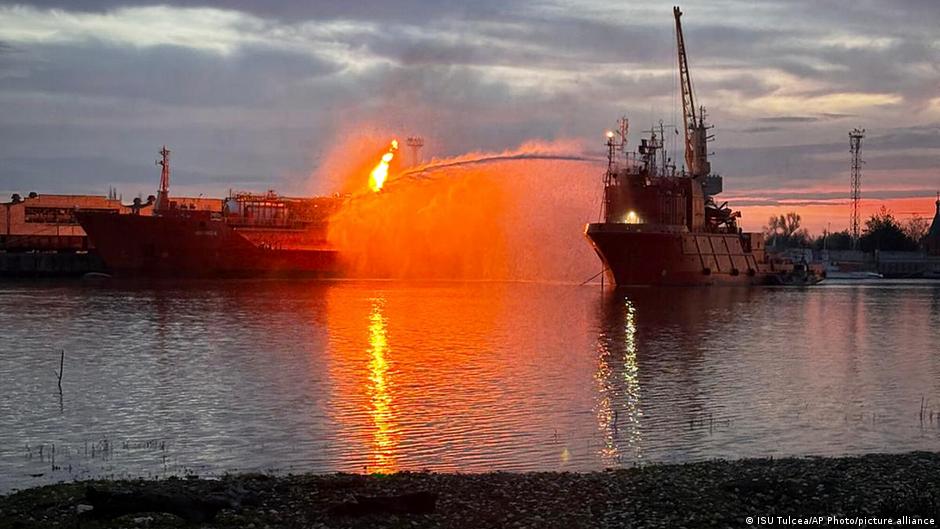
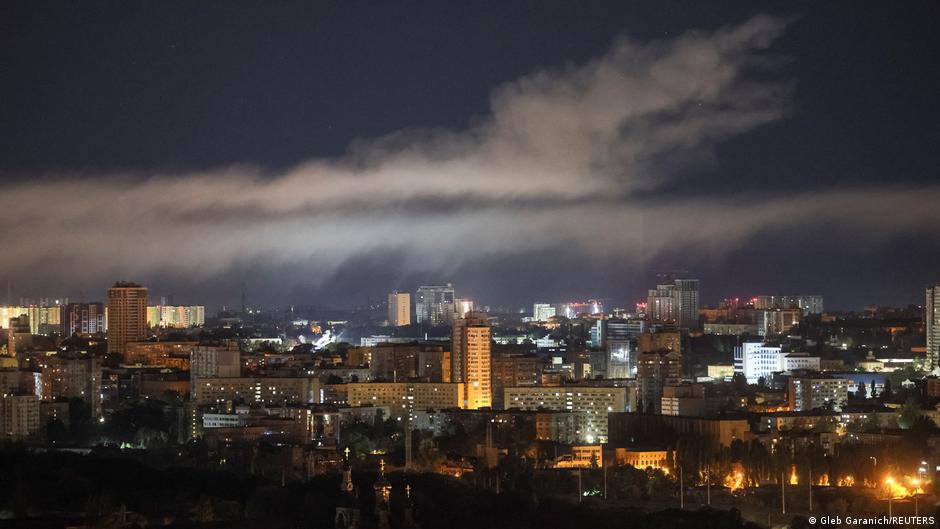
On the night of May 19, Russian forces launched missile and drone attacks targeting critical infrastructure across multiple Ukrainian regions, including Izmail in the Odessa area, the Dnipropetrovsk region, and Kharkiv. These assaults have caused damage to key port and energy facilities, prompting increased investor caution in capital markets concerned with regional stability and supply chain disruptions.
Impact on Energy Infrastructure and Market Reactions
The port city of Izmail, situated in the southern Odessa region, sustained damage to its port infrastructure after overnight aerial bombardments by Russian forces. Although the local emergency services responded promptly, there were no reported casualties or substantial destruction. Most of the attacking aerial weapons were reportedly intercepted over open terrain beyond population centers.
Meanwhile, the Ukrainian national energy company Naftogaz disclosed multiple drone and ballistic missile strikes on its facilities in the Dnipropetrovsk region between May 17 and 18. The attacks involved near-continuous drone incursions and a strike with three ballistic missiles, leading to damage and partial destruction of energy assets. However, Naftogaz confirmed that personnel remained unharmed.
“These attacks highlight the growing vulnerability of Ukraine's energy infrastructure, a critical concern for investors monitoring potential supply chain interruptions and regional energy security,” industry analysts noted.
Earlier in the week, Naftogaz facilities in the Poltava region were subjected to intense missile barrages, underscoring the expanding scope of Russia's strategic targeting of Ukraine's energy sector.
Broader Security Dynamics and Investor Implications
In Kharkiv, drone attacks targeted civilian infrastructure in the Novobavarsky and Kholodnogorsky districts, resulting in fires damaging private homes. Emergency services have been conducting search and rescue operations, including efforts to locate individuals potentially trapped under debris.
These developments come amid reports that Ukraine has expanded its drone strike capabilities deep into Russian territory, including major Ural cities, which house over 70 percent of Russia’s population. This evolution in conflict dynamics introduces additional volatility into regional security assessments, affecting investor sentiment.
Capital markets have responded with heightened sensitivity to geopolitical risks, particularly in sectors linked to energy and logistics. Equity valuations of Ukrainian energy companies and regional transport operators have experienced increased volatility following these attacks. Additionally, bond markets are factoring in potential risks of infrastructure damage impeding economic recovery and energy exports.
Market participants and investors are advised to monitor ongoing developments closely as the conflict's escalation could influence commodity flows, regional economic stability, and broader investor confidence in Eastern European markets.