Russian Strikes on Zaporizhzhia Impact Markets Amid Heightened Geopolitical Tensions
Russian missile and air bomb attacks on Zaporizhzhia cause casualties and infrastructure damage, raising investor concerns over regional stability.
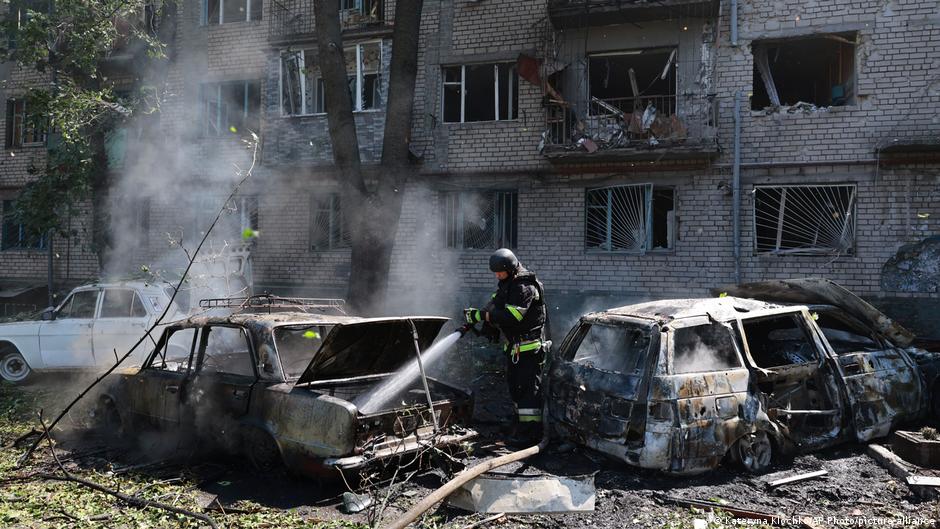
On August 11, Russian armed forces launched a combined missile and aerial bomb strike on the Ukrainian city of Zaporizhzhia, resulting in five fatalities and 20 injuries, according to regional military administration head Ivan Fedorov. The attacks targeted industrial sites, residential buildings, and infrastructure, leading to power outages and fires across the city.
Market Implications of the Attacks
The military escalation in southeastern Ukraine has significant implications for capital markets, particularly for equities, bonds, and investor sentiment in the region. The damage to industrial facilities in Zaporizhzhia, a key economic hub, raises concerns about supply chain disruptions and potential declines in regional production output.
Investors are closely monitoring the situation as geopolitical risks heighten, influencing risk premiums on Ukrainian sovereign debt and regional corporate bonds. Heightened volatility is expected in equities linked to Ukraine’s infrastructure and energy sectors, as the conflict threatens operational stability and future earnings prospects.
"The strikes underscore the fragility of regional infrastructure and the potential for further market disruptions," commented a market analyst focusing on Eastern Europe.
In Kyiv, repeated air raid alerts throughout the night have compounded investor anxiety. Urban centers face ongoing security threats, which could slow down economic recovery efforts and deter foreign direct investment. Although only one injury was reported in the capital at this time, the psychological impact on market participants is considerable.
Earlier attacks involving guided aerial bombs and drones have already inflicted injuries on over two dozen civilians in the Zaporizhzhia region, signaling a persistent threat that could prolong instability. The Ukrainian government’s response and ability to stabilize affected regions will be pivotal for restoring market confidence.
As energy infrastructure remains vulnerable, European energy markets may also experience indirect effects, given the interconnectedness of supply routes. Investors should consider the risk of further escalation when assessing portfolios with exposure to Eastern European assets.