Serbia’s Anti-Government Unrest Spurs Market Uncertainty Affecting Equities and Bonds
Recent protests and clashes in Serbia raise concerns over political stability, impacting investor confidence in the country’s capital markets.
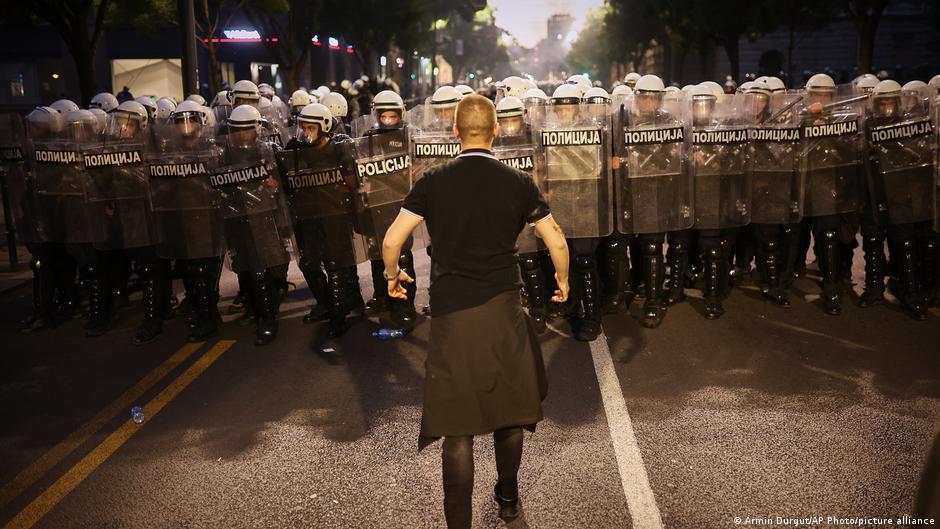
Serbia has experienced renewed anti-government protests that escalated into violent clashes in Belgrade, raising apprehension among investors and market participants about the country's political stability and its implications for capital markets.
Market Impact Amid Political Turmoil
On May 23, violent disorder erupted near Pionirski Park in central Belgrade during a student-led demonstration. Law enforcement responded with tear gas and stun grenades as protesters reportedly attacked police with flares, stones, and improvised explosive devices. Authorities detained 23 individuals during the unrest.
The protests, which began in November 2024 following a fatal construction collapse in Novi Sad, have persisted over allegations of government corruption, negligence, and cronyism. The opposition demands the resignation of President Aleksandar Vučić and early parliamentary elections, scheduled for 2026 but increasingly uncertain amid continuing unrest.
From a capital markets perspective, these developments have injected volatility into Serbia's equity and bond markets. Investor concerns about political risk have led to cautious trading behavior, with domestic equities under pressure due to fears of regulatory unpredictability and potential disruptions in economic policy.
The Serbian government’s attempts to contain protests, including travel restrictions and train cancellations to the capital, underscore the severity of the unrest. Such measures have heightened worries about prolonged instability that could dampen economic growth and foreign investment, pivotal drivers of market performance.
“All those who attacked police officers ensuring security after the public assembly will be held accountable under the law,” the Belgrade prosecutor’s office declared, emphasizing the legal consequences of violent actions against security forces.
Despite the unrest, the government has maintained its stance against altering the election timeline, reflecting a commitment to constitutional processes, which may be viewed positively by long-term investors seeking predictability.
In January 2025, in response to earlier protests, Prime Minister Miloš Vučević resigned, and a new administration led by medical professor Đuro Mačut was installed. However, political tensions remain elevated, as evidenced by the September 2025 clashes involving over 40 arrests and injuries to 13 police officers.
For investors, the ongoing political instability in Serbia highlights the risks inherent in emerging markets where governance issues can quickly translate into market volatility. Monitoring the government's response, election developments, and potential policy shifts will be critical for capital market participants assessing Serbian assets.