Ukraine Tightens Infrastructure Disclosure Rules as Investors Assess Risk
New restrictions on reporting strike damage and repair timelines may reduce visibility into operational risks across Ukraine’s energy sector.
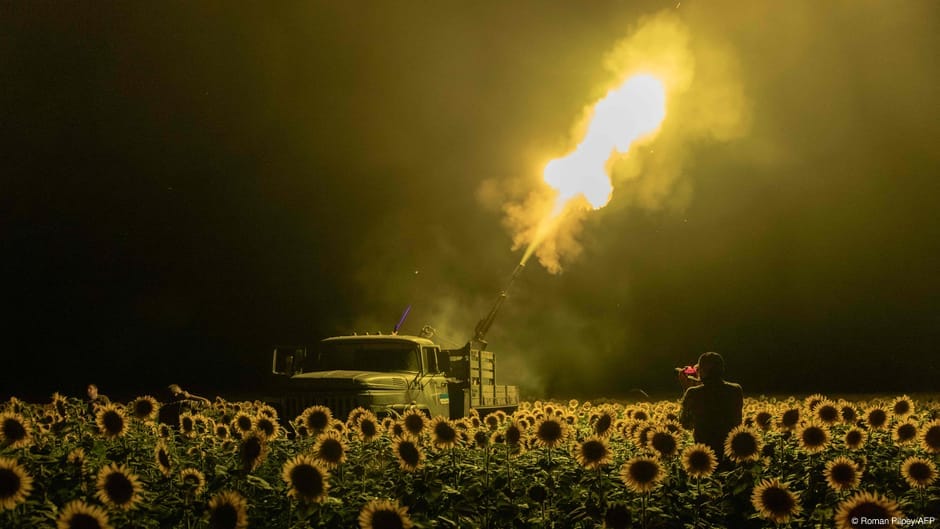
Ukraine is moving to restrict media publication of photographs, video and other information about Russian strikes on critical infrastructure, creating a new disclosure constraint for investors assessing the country’s energy security, reconstruction needs and wartime operating risks.
President Volodymyr Zelensky signed the relevant decree on Saturday, November 28. It enacts a decision by Ukraine’s National Security and Defense Council on strengthening the protection of critical infrastructure ahead of the heating season.
The measures prohibit media outlets from publishing images and footage showing the consequences of attacks on critical infrastructure. They also cover information about expected restoration timelines, the stages of construction and the condition of protective structures at facilities in the fuel and energy sector and in services essential to the population.
Reduced visibility for markets
For capital markets, the restrictions could narrow the flow of timely public information used to evaluate damage to power generation, transmission networks, fuel assets and other essential systems. The source material reports no immediate reaction in Ukrainian equities or bonds, but the policy changes the information environment in which investors, creditors and insurers monitor physical infrastructure risks.
That matters because repair schedules and the scale of disruption can influence assessments of corporate operations, fiscal demands and financing requirements. Restrictions on publication do not themselves establish that damage has increased. They may, however, make independent verification more difficult by limiting media reporting on affected assets and the pace of restoration.
Information about repair timelines and protective structures is set to fall within the planned media restrictions.
Ukraine’s Cabinet of Ministers is expected to develop the enforcement mechanism and proposed penalties for violations. The National Security and Defense Council’s decision refers directly to media organizations, rather than citizens who publish images or videos of Russian strikes on social networks. It remains unclear from the decision how that distinction will operate in practice.
The latest action builds on restrictions introduced in 2022, shortly after Russia launched its full-scale invasion. Ukraine’s legal portal Pravo i Delo interprets Article 114-2 of the country’s Criminal Code as restricting the unauthorized dissemination of operational information concerning the Armed Forces of Ukraine.
According to the portal, operational military information includes photographs and video of air-defense activity that could reveal the location of systems, as well as details about strike locations and resulting destruction. It also encompasses information about damage to critical infrastructure, Ukrainian troop movements and weapons deliveries. Material released by official agencies is not covered by the prohibition, the portal said.
Data cited by Pravo i Delo show that Ukraine recorded 76 offenses in this area during 2026, with 15 initiated cases reaching court. No breakdown was provided showing how many cases specifically concerned publication of information about the consequences of Russian attacks. A conviction under Article 114-2 may carry a prison sentence of between three and 12 years.
Parallel restrictions emerge in Russia
The Ukrainian decree comes as Russia considers a broader restriction on reporting the effects of Ukrainian attacks. In late November 2026, lawmakers submitted a bill to Russia’s State Duma that would prohibit publication of any information about the consequences of such attacks on Russian territory.
Russian authorities propose penalties for disseminating information about the effects of enemy drone and missile use. The proposed restriction could also cover reporting about the consequences of terrorist attacks, sabotage and attempts on the lives of state and public figures.
The Russian bill does not distinguish between photographs, videos and written accounts of incidents. That breadth has drawn criticism even from pro-war Russian bloggers. Several Russian regions had already prohibited publication of images and footage showing the aftermath of strikes before the federal proposal was introduced.
Media reports also noted that Russian authorities intensified action against people sharing such content in the summer of 2026, amid successful Ukrainian attacks on Russian oil and gas facilities.
For investors, tighter controls in both countries underscore the growing challenge of evaluating wartime infrastructure exposure through public sources. Energy assets remain central to economic activity, government finances and reconstruction planning, yet information about damage and recovery may increasingly come through official channels rather than independent reporting.
The immediate financial significance will depend on how Ukraine’s Cabinet defines enforcement, which publications and data are treated as violations, and whether official disclosures continue to provide enough information to evaluate outages and restoration. Until those details are available, investors may face greater uncertainty when pricing infrastructure, energy and sovereign risk linked to the conflict.