Ukraine's New National Pantheon and European Order Spark Diplomatic Tensions Impacting Markets
President Zelensky's initiatives on national honors intensify Ukraine-Poland diplomatic rift, influencing investor sentiment and regional capital markets.
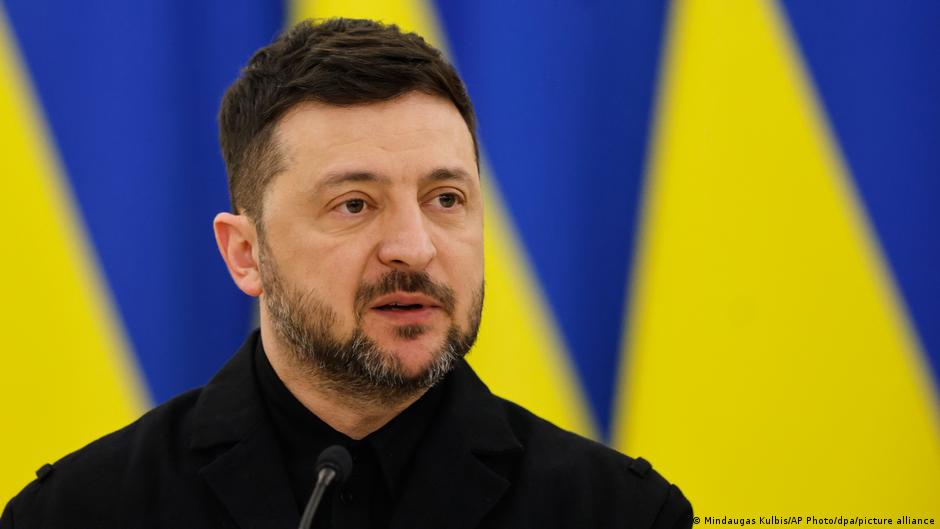
Ukrainian President Volodymyr Zelensky has announced the establishment of a Ukrainian National Pantheon to honor heroes from various epochs who have fought for Ukraine's independence. Alongside this, Zelensky proposed instituting a new state award, the Order of Europe, to recognize individuals defending Europe’s security and advancing Ukraine's EU accession.
Diplomatic Fallout and Market Implications
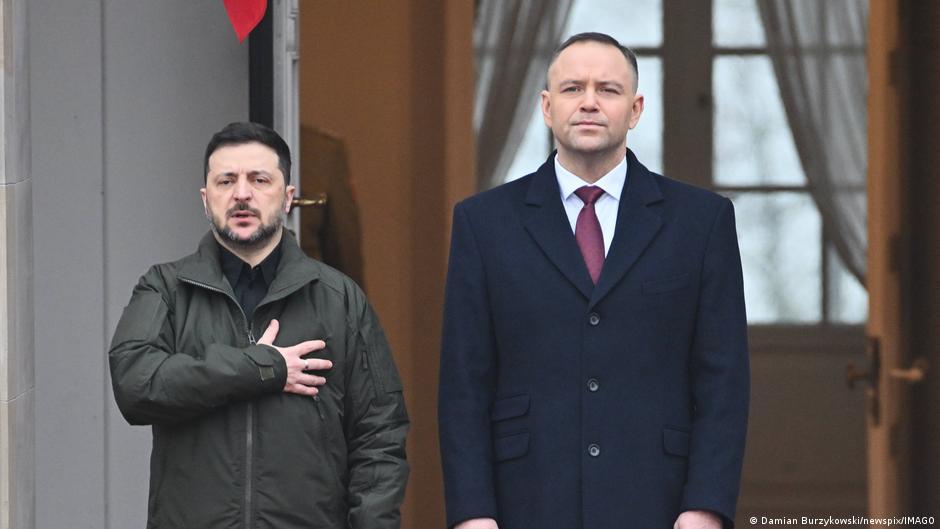
These cultural and political moves come amid escalating diplomatic tensions between Ukraine and Poland, one of Ukraine’s key allies in its defense against Russian aggression. The controversy centers on Zelensky’s decision to name a Ukrainian Armed Forces unit after the Ukrainian Insurgent Army (UPA), a group linked in Poland to the World War II-era Volhynia massacres. Poland officially classifies these events as genocide, fueling strong criticism from Warsaw.
In response, Polish President Karol Nawrocki stripped Zelensky of Poland’s highest honor, the Order of the White Eagle. Zelensky’s ironic remarks contrasting the revocation of his award with the retention of honors by historical figures such as Catherine the Great and Gerhard Schröder further aggravated tensions. Polish officials clarified that the award is not revoked posthumously and that Schröder’s actions did not offend the Polish people.
The exchange of returned state honors has extended to political figures in both countries, highlighting the deepening diplomatic freeze. Jarosław Kaczyński, leader of Poland’s national-conservative Law and Justice party (PiS), has called for blocking Ukraine’s EU accession talks, signaling potential political pushback ahead of Poland’s 2027 parliamentary elections.
"No one will ever dictate how we live, speak, or whom we honor," Zelensky asserted, emphasizing Ukraine's sovereign right to define its national heroes despite diplomatic backlash.
The discord has reverberated in public opinion polls; over 58% of Poles perceive Zelensky’s attitude towards Poland negatively, while President Nawrocki’s approval rating has surged to a record 54.8% following the awards controversy.
Capital Markets Reaction and Investor Outlook
The Ukraine-Poland diplomatic rift introduces new uncertainties affecting investor confidence in the region. Poland plays a significant role in Central and Eastern European capital markets as a gateway to the EU and a strategic partner for Ukraine’s economic and military support.
Equity markets in both countries may experience increased volatility as political tensions rise. Polish stocks sensitive to geopolitical risks could face downward pressure amid fears of prolonged diplomatic friction and its impact on regional cooperation. Conversely, Ukrainian equities might see mixed reactions, balancing nationalistic support for Zelensky’s initiatives against concerns over strained Western alliances.
Bond markets are likely to reflect the heightened risk premium associated with political disputes. Investor appetite for Ukrainian sovereign and corporate debt could wane amid fears of deteriorating relations with critical EU partners, potentially increasing borrowing costs for Kyiv. Polish government bonds might also face marginal pressure due to the uncertain political landscape and its implications for EU integration policies.
Market participants should closely monitor ongoing developments, especially the trajectory of Ukraine’s EU membership negotiations and Poland’s internal political dynamics. The upcoming Polish parliamentary elections in 2027 could further impact regional stability and investor sentiment.
In summary, while President Zelensky’s creation of the National Pantheon and the Order of Europe aim to cement Ukraine’s national identity and European aspirations, the resulting diplomatic strain with Poland introduces new risks to the capital markets. Investors should consider these geopolitical factors when assessing exposure to Central and Eastern European assets.