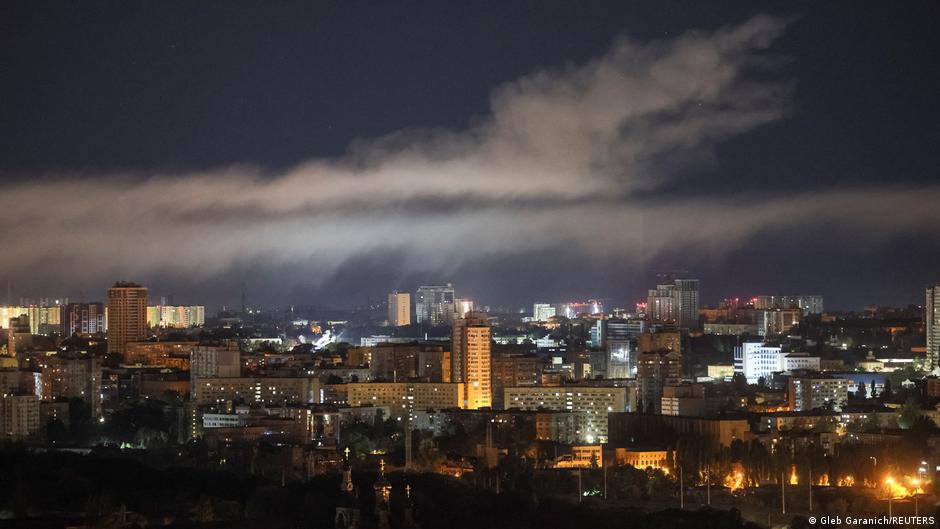
Ukrainian Drone Attacks Ignite Fires at Key Russian Oil Facilities in Rostov and Saratov Regions
Drone strikes on oil storage and refinery sites trigger fires, raising concerns over energy sector stability and market volatility.
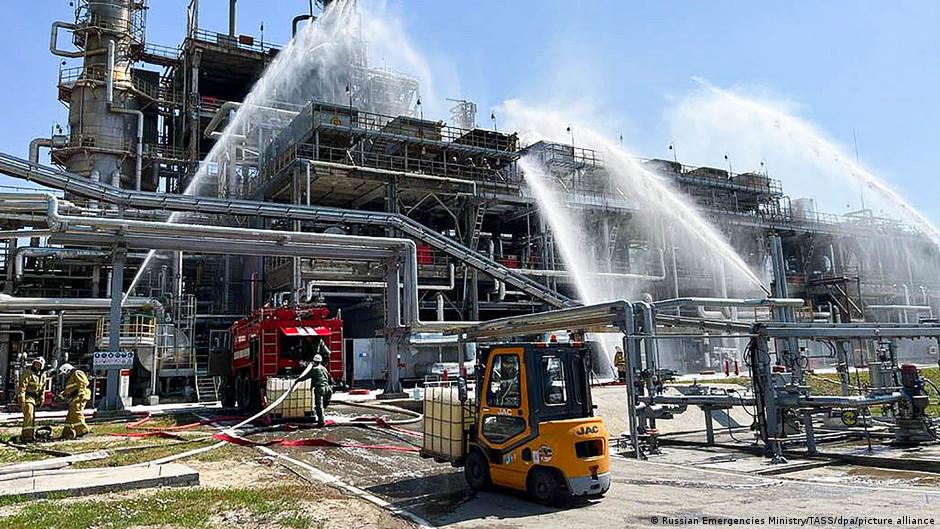
On the night of May 31, drone attacks attributed to Ukrainian forces ignited significant fires at oil infrastructure sites in Russia's Rostov and Saratov regions. These incidents have sparked immediate concerns among investors and market participants due to potential disruptions in oil supply chains and implications for energy sector equities and bonds.
Impact on Russian Oil Infrastructure and Market Reactions
In Rostov region's Matveev-Kurgan district, a private fuel storage facility serving agricultural producers caught fire following the fall of drone debris. Regional Governor Yuri Slyusar confirmed the incident via Telegram, noting that nearby residents were evacuated as a precaution and that emergency services, including a firefighting train, are actively working to contain the blaze. No casualties have been reported.
"Residents near the affected area were evacuated for safety. Emergency crews arrived promptly and have begun firefighting efforts," Governor Slyusar stated.
Local sources report damage extending beyond the fuel storage to include a pharmacy, two retail outlets, and a vehicle. Additionally, eyewitness accounts described an "oil rain" phenomenon following the strike on the fuel tank, indicating the severity of the fire and potential environmental impact.
Simultaneously, the Saratov region experienced a similar drone assault targeting the Saratov Oil Refinery, a facility repeatedly targeted in prior attacks. Governor Roman Busargin acknowledged damage to civil infrastructure but did not specify exact sites. Open-source intelligence channels and local media have circulated images and videos indicating extensive fire damage at the refinery complex.
These attacks underscore the vulnerability of Russia's regional oil infrastructure amid ongoing conflict, with possible ripple effects on investor confidence in Russian energy assets. Market participants should closely monitor developments for potential supply chain disruptions and increased risk premiums in related equities and debt.
Investor Considerations Amid Elevated Geopolitical Risk
The immediate market reaction to such attacks typically includes increased volatility in oil prices, reflecting concerns about production stability and export capabilities. Equities linked to Russian oil companies and local infrastructure operators may experience downward pressure as investors reassess operational risks and insurance costs.
Bond markets could also be impacted, especially for issuers tied to affected regions, as credit risk perceptions adjust in response to physical asset damage and increased geopolitical uncertainty. Investors holding Russian energy securities should evaluate exposure and consider hedging strategies to mitigate downside risks.
Furthermore, these events highlight the strategic importance of regional energy assets and the potential for conflict-driven supply chain interruptions to reverberate through global markets. Continuous monitoring of OSINT reports and official communications is essential for timely risk assessment.