US Military Strike on Vessel Bound for Iran Escalates Strait of Hormuz Tensions
US forces disable a Gambian-flagged ship en route to Iran amid ongoing Strait of Hormuz blockade, impacting regional trade and investor sentiment.
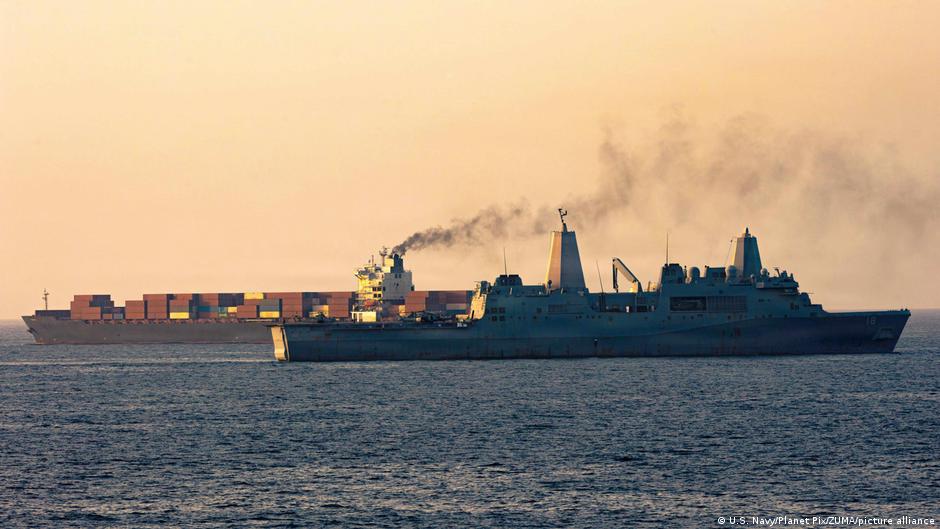
The United States military launched a missile strike on a Gambian-flagged commercial vessel, Lian Star, navigating international waters toward an Iranian port in the Gulf of Oman. This action, announced by the US Central Command (CENTCOM) on May 30, follows more than 20 warnings issued to the ship’s crew to halt their course in adherence to the US-enforced Strait of Hormuz blockade.
Market Implications of Heightened Strait of Hormuz Tensions
The missile strike represents a significant escalation in US-Iran maritime hostilities and underscores the fragile security environment in a critical chokepoint through which approximately 20% of global oil trade transits. CENTCOM stated that after the crew’s noncompliance, a Hellfire missile targeted the ship’s engine room, effectively disabling it and preventing delivery to Iran.
“The US military has disabled five commercial vessels and diverted 116 others since April under its enforcement of the Strait of Hormuz blockade related to Iran,” CENTCOM reported.
This intensified blockade comes amid ongoing Iranian restrictions on vessels linked to the US, further exacerbating the risk to shipping lanes. The incident follows a rocket attack on the Al Asad US airbase in Kuwait by Iranian forces, which caused minor injuries and the destruction of two MQ-9 Reaper drones, each valued at approximately $30 million.
From a capital markets perspective, the escalation threatens to destabilize oil supply routes, potentially driving up crude prices and increasing volatility in energy equities and bonds. Investors are closely monitoring these developments, as disruptions in the Strait of Hormuz could lead to a spike in oil futures and heightened risk premiums for companies with significant exposure to Middle Eastern energy markets.
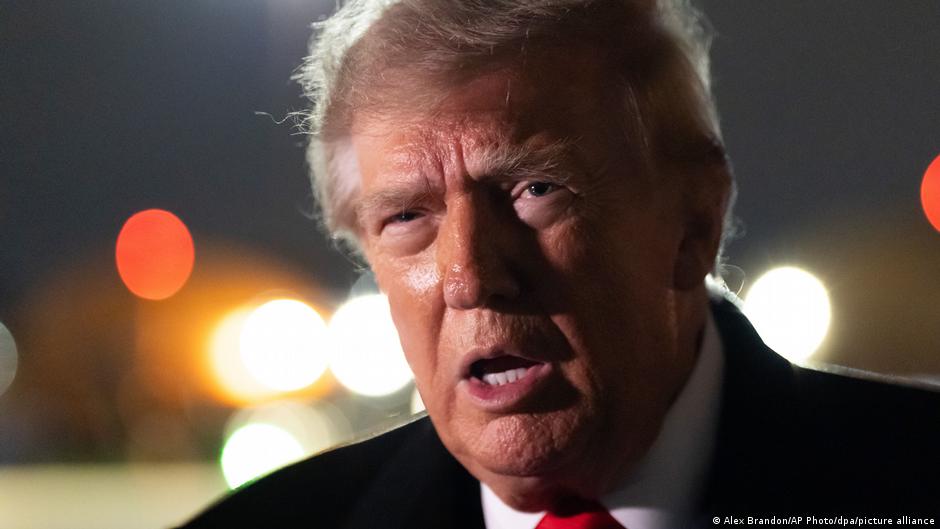
Notably, these tensions persist despite reports of preliminary framework agreements between US and Iranian negotiators aimed at ending hostilities. US President Donald Trump has withheld approval, demanding strict conditions including Iran’s abandonment of nuclear weapons ambitions. Tehran maintains that no final agreement has been reached.
The ongoing uncertainty surrounding diplomatic progress and the physical security of shipping corridors is contributing to market nervousness. Energy sector equities have experienced intraday fluctuations, while bond yields for firms connected to the oil supply chain are under pressure amid concerns over supply disruptions.
Investors should consider the potential for prolonged volatility and evaluate risk management strategies, including diversification and hedging against energy price shocks, as geopolitical risks remain elevated in this strategically vital region.