US Removes Syria from Terrorism Sponsor List, Impacting Investment and Markets
Washington’s decision to delist Syria signals potential reopening of Syrian economy and shifts investor outlook amid evolving Middle East dynamics.
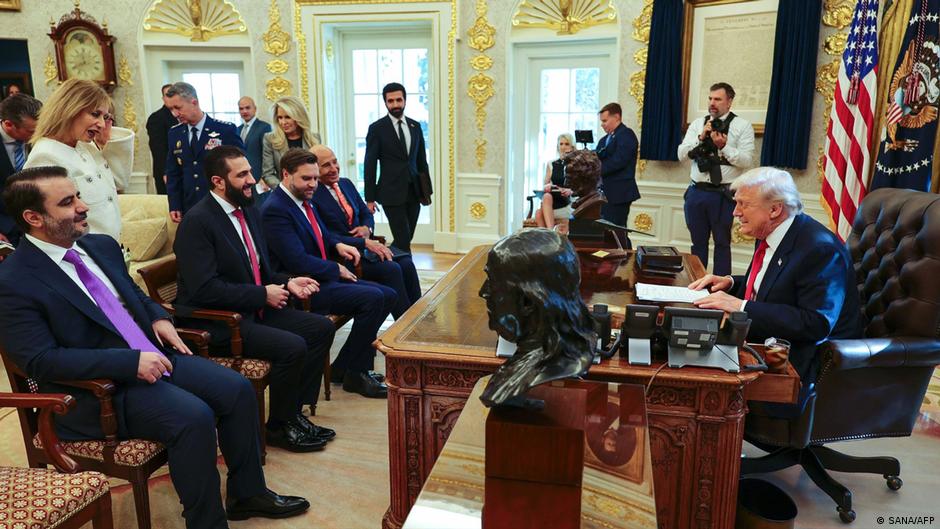
The United States has officially removed Syria from its list of state sponsors of terrorism, a designation that had been in place for nearly five decades. This move, announced by the US Department of State and Treasury on August 24, marks a significant policy shift under the Trump administration, which is pursuing normalization of relations with Damascus and encouraging economic reintegration.
Market Implications of Syria’s Delisting
The removal of Syria from the terrorism sponsor list opens the door for renewed foreign investment and economic engagement. The US Treasury's lifting of sanctions against the militant group Hayat Tahrir al-Sham (HTS), which assumed power following the Assad regime’s fall, further signals a strategic recalibration in Washington's approach. Treasury Secretary Scott Bessent emphasized that these steps aim to "provide the Syrian people with a chance for greatness" by attracting investment that could foster political and economic stability.
For global capital markets, this development introduces new dynamics. Syria's decades-long isolation had severely limited foreign direct investment and trade, effectively freezing its equities and bond markets from international participation. With sanctions easing, investors may begin to reassess Syria’s sovereign risk and the potential for returns in reconstruction projects and energy sectors, which could translate into new opportunities for emerging market portfolios.
"This decision opens a vital opportunity for Syria's deeper integration into the global economic and financial systems," stated Syrian acting Finance Minister Mohammed Barniya.
However, market participants should weigh the geopolitical risks that persist. While Damascus improves ties with Western nations, regional tensions remain acute. Notably, Israel’s ongoing military strikes in northern Syria and disputes over the Golan Heights continue to complicate the situation.
Israel retains control over much of the Golan Heights, territories internationally recognized as Syrian but occupied by Israel. The political instability following Assad’s ousting saw Israel expanding its military presence there, with Prime Minister Benjamin Netanyahu reinforcing settlements and troop deployments, underscoring the contested nature of the region.
Relations between Syria and Israel remain strained. Despite recent Jordan-facilitated talks aimed at easing regional tensions, Israel conducted airstrikes targeting an airfield purportedly intended for Turkish military deployment. Syria's transitional government condemned these attacks as "unjustified aggression," a stance echoed by the US administration, highlighting the fragile security environment that investors must consider.
Additionally, Turkey’s involvement and vocal criticism of Israeli policies towards Palestinians add another layer of complexity. Ankara has even signaled intentions to seek international arrest warrants for Netanyahu, reflecting deep regional animosities.
Given these factors, investors eyeing Syria must balance the prospects of economic reintegration and infrastructure rebuilding against persistent security risks and political volatility. Sovereign debt and equity instruments tied to Syria could see increased interest as sanctions ease, but market entry remains cautious amid uncertain diplomatic and military developments.
Overall, Washington’s lifting of sanctions and removal of Syria from the terrorism sponsor list represents a potentially transformative moment for Syrian markets. It signals a tentative opening for capital flows and economic rehabilitation, contingent on ongoing political stabilization and conflict resolution in the region.