Belgorod Reservoir Dries Up After Ukrainian Military Strikes Impact Regional Water Infrastructure
Uncontrolled water release following July 2026 attacks on Belgorod Reservoir dam has significantly reduced water levels, raising concerns for local economy and markets.
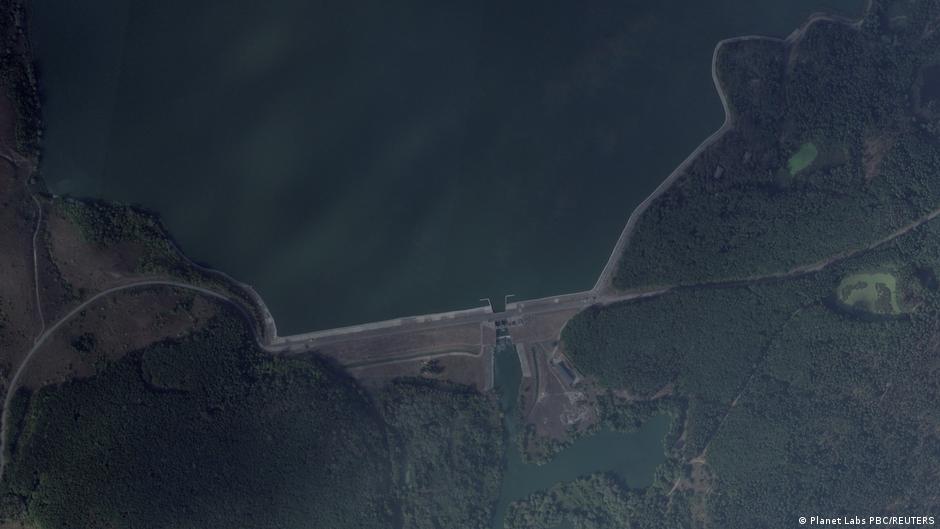
In the wake of multiple Ukrainian military strikes targeting the dam of the Belgorod Reservoir in July 2026, the reservoir has experienced a significant drop in water levels due to an uncontrolled release of water. Eyewitness reports indicate that water depths now range between 10 and 40 centimeters, a drastic reduction from typical levels.
Impact on Regional Infrastructure and Potential Market Repercussions
The Belgorod Reservoir, located in Russia's Belgorod region, suffered heavy damage following two missile strikes in the vicinity of the villages Bezlyudovka and Grafovka within the Shebekinsky District. The attacks led to the uncontrolled discharge of water from the dam, forcing regional authorities to intervene and halt further releases. Despite these efforts, the reservoir has receded to the historical bed of the Seversky Donets River, a development confirmed by photographic and video evidence shared on regional social media platforms.
"The current water depth ranges from 10 to 40 centimeters," said Vladimir Titov, an urbanist from Belgorod, underscoring the severity of the reservoir’s depletion.
The reservoir’s depletion poses immediate risks to local agriculture, hydroelectric power generation, and water supply chains, sectors that are critical to the regional economy. Investors and market participants closely monitoring Russian equity and bond markets may face indirect exposure to the fallout as damaged infrastructure and resource scarcity potentially dampen regional economic outputs.
Recurring attacks on the reservoir date back to October 2025, when Ukrainian drones and missiles inflicted damage to hydraulic structures, triggering water releases and raising concerns over long-term infrastructure resilience. The recent July strikes represent a continuation and escalation of these hostilities, extending the timeline for recovery and possibly straining government budgets allocated for repairs and mitigation.
From a capital markets perspective, energy and utility companies linked to the region's water management and power generation may experience increased volatility. Bond investors with exposure to municipal or regional debt could also reassess credit risk profiles amid escalating infrastructure vulnerabilities. Furthermore, agricultural commodity markets might react to potential disruptions in irrigation and water availability stemming from the reservoir’s depleted state.
Market analysts advise investors to monitor developments closely, as the situation highlights broader geopolitical risks impacting regional infrastructure that could ripple through related sectors and asset classes.