Drone Attacks Ignite Oil Storage Fires in Southern Russia, Raising Market Concerns
Ukrainian drone strikes caused fires at key oil storage facilities in Russia's Krasnodar region and annexed Sevastopol, sparking regional security alerts.
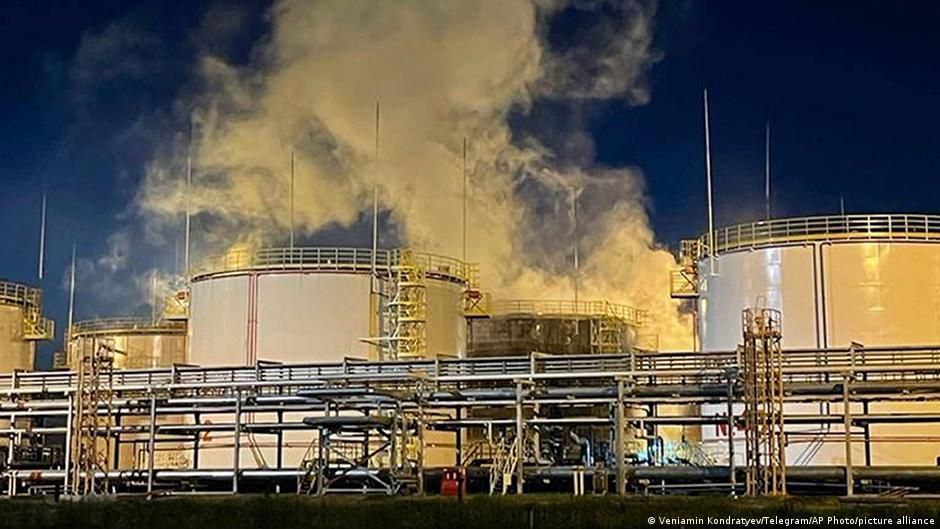
On the night of April 18, drone attacks attributed to Ukrainian forces led to fires at oil storage facilities in Russia's Krasnodar region, specifically in the city of Tikhoretsk, and in the annexed city of Sevastopol. These incidents have heightened concerns around energy infrastructure security amid ongoing geopolitical tensions.
Impact on Regional Oil Storage and Market Implications
The oil base in Tikhoretsk caught fire after the drone attack. Local authorities confirmed no casualties and reported mobilizing 224 personnel and 56 pieces of equipment to combat the blaze. In Sevastopol's Kazachya Bukhta district, a fuel tank containing residual fuel ignited, reportedly triggered by a downed drone. The fire was contained quickly, and no injuries were reported.
"The fire at the Sevastopol facility covered a small area and was caused by a downed UAV," said the local administration head, highlighting the precision but limited scale of the attack.
Additionally, Russian air defense forces reportedly intercepted and destroyed 22 Ukrainian drones over Sevastopol during the night, underlining the intensity of the aerial threat. The attacks prompted regional airspace security measures, including air raid alerts across several regions in western Russia.
In response to the drone threats, temporary restrictions on aircraft arrivals and departures were implemented at Pskov airport, alongside the activation of emergency response plans at airports in Saratov, Penza, Samara, and Ulyanovsk. These disruptions indicate a broader ripple effect on transportation and logistics linked to the ongoing conflict.
Market Reactions and Investor Implications
From a capital markets perspective, these attacks underscore the vulnerability of critical energy infrastructure in Russia, a major global oil exporter. While the immediate physical damage appears limited and no casualties were reported, such incidents can elevate risk premiums in energy markets due to perceived threats of supply disruptions.
Investors monitoring Russian equities in the energy sector may face increased volatility, particularly in companies involved with oil storage and transportation in the affected regions. Moreover, the heightened security risks could lead to increased insurance and operational costs, potentially affecting profitability and capital allocation.
Bond markets might also react to escalating geopolitical tensions, with Russian sovereign and corporate debt possibly seeing wider spreads as risk assessments adjust to the conflict's evolving dynamics.
Energy traders could anticipate short-term price fluctuations in oil futures tied to regional supply risk perceptions. However, given the limited scale of damage reported, the broader market impact may be contained unless such attacks escalate in frequency or severity.
Overall, these events serve as a reminder for investors to closely monitor geopolitical developments and their potential to disrupt energy supply chains and impact asset valuations within the Russian market.