Drone Attacks on Chernihiv Infrastructure Raise Concerns for Regional Energy Stability
Recent Russian drone strikes on Chernihiv's critical infrastructure disrupted power supply for thousands, highlighting vulnerability in regional energy markets.
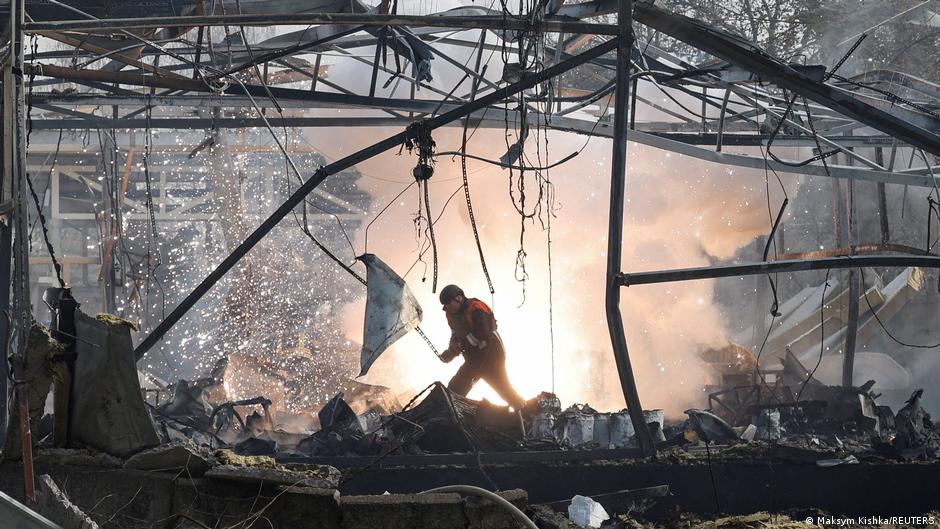
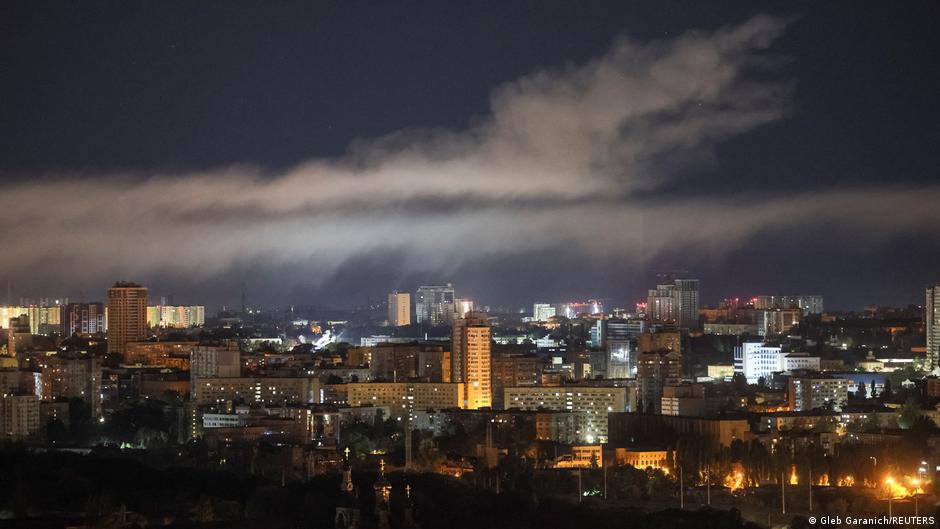
Russian forces launched a concentrated drone attack on critical infrastructure in the Ukrainian city of Chernihiv during the early hours of Friday, April 17. The strikes ignited fires and resulted in significant power outages affecting approximately 6,000 electricity consumers, according to local energy providers.
The head of Chernihiv's city military administration confirmed the attacks targeted vital infrastructure, though casualty details remain under verification. The city's municipal council reported that one industrial facility was hit, sparking a fire, alongside multiple infrastructure sites impacted by the drones.
Impact on Energy Infrastructure and Regional Markets
The regional energy company, Chernihivoblenergo, disclosed that the damage caused by the strikes led to widespread electricity interruptions. Emergency repair operations are underway but remain contingent on security conditions. This disruption adds to a series of similar attacks that have repeatedly affected the energy grid in Chernihiv and its surrounding regions.
Just weeks earlier, on April 6, Russian strikes on an energy facility in the Nizhyn district left around 340,000 customers across Chernihiv and neighboring areas without power. Earlier in March, a full blackout crippled the city’s power supply, forcing all critical infrastructure to switch to backup energy sources. Rail operations also suffered delays due to network power losses.
"These recurrent drone attacks on energy assets underscore the persistent vulnerability of Ukraine's regional power infrastructure," commented an energy market analyst. "The disruptions not only affect local utilities but also have broader implications on market confidence and investment risk assessments in these regions."
Electricity outages in conflict zones can trigger volatility in regional energy markets, affecting the equities of utility companies reliant on stable operations. Bond investors evaluating municipal and corporate debt may also reassess credit risk given the infrastructure damage and ongoing instability.
"Repeated assaults on critical energy infrastructure raise concerns over long-term resilience and investor confidence in affected regions," noted a market strategist.
As conflicts continue to impact essential services, investors and stakeholders in capital markets must closely monitor developments, assessing potential disruptions to energy supply chains and the financial health of utilities servicing these conflict-affected areas.
The repeated targeting of critical infrastructure in Chernihiv and adjacent districts highlights the intersection between geopolitical conflict and energy sector stability, a key consideration for market participants evaluating risk and investment strategy in Eastern European markets.