Drone Attacks on Russian Regions Raise Concerns for Market Stability and Investor Sentiment
Recent drone strikes in Kursk and Belgorod regions have caused casualties, prompting heightened security alerts that may affect regional market dynamics.
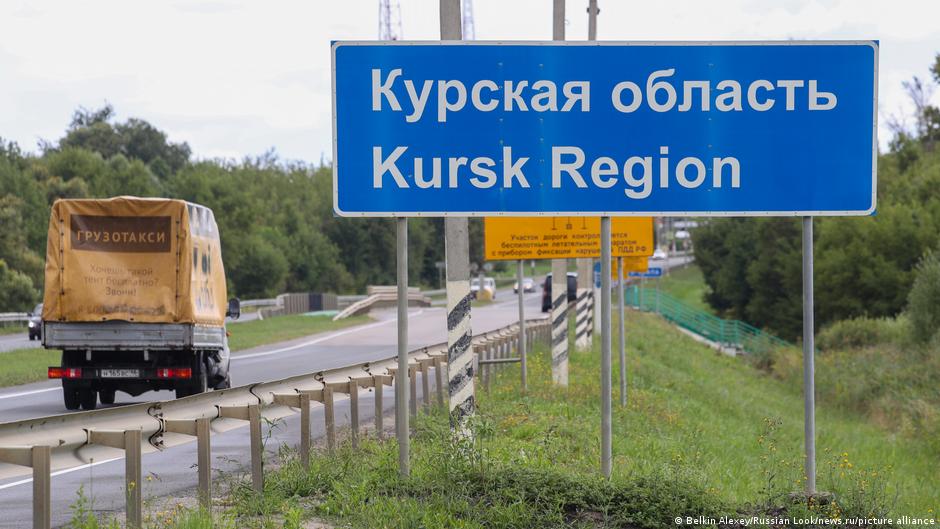
On August 5 and 6, drone attacks targeted Russian regions including Kursk, Belgorod, and Moscow, resulting in casualties and igniting concerns about regional security that may influence investor confidence and market behavior.
Impact of Drone Strikes on Regional Stability and Market Sentiment
In the Kursk region, one individual was killed and six others injured when a drone struck a private residence in the village of Kozyrevka, located in the Bolshe-Soldatsky district. The regional head, Alexander Khinshtein, confirmed these incidents, highlighting the vulnerability of civilian areas to such attacks.
Similarly, the Belgorod region experienced drone strikes in the Shebekinsky district, resulting in two injuries. Among the wounded was a fighter from the volunteer unit "Orlan," emphasizing the ongoing conflict's spillover into civilian life and volunteer forces. Another victim sustained mine-explosion related injuries after a drone hit a vehicle; he sought medical care independently.
Meanwhile, in Moscow, Mayor Sergey Sobyanin reported the interception and destruction of three drones targeting the capital on the night of August 6. No casualties or damage were reported, but the incident triggered heightened alert levels.
"Residents are advised to avoid travel near the blocked areas and consider alternative routes," stated Yaroslavl regional head Mikhail Yevrayev following security measures in response to drone threats.
Yaroslavl authorities closed transportation routes leading out of the city toward Moscow, urging caution among commuters. Such measures reflect an increased security posture that could disrupt normal commercial activities across affected regions.
From a capital markets perspective, these attacks introduce elements of geopolitical risk that can exacerbate market volatility. Investors typically respond to sudden security threats with caution, potentially affecting equity prices, bond yields, and overall investor sentiment in regional markets.
Equity markets in Russia’s affected regions might experience short-term declines due to perceived instability and operational disruptions. Moreover, bond markets may see fluctuations as risk premiums adjust to the perceived increase in regional security risks.
For investors, monitoring developments related to regional security and government responses is critical. Heightened risk factors may influence asset allocation decisions and risk management strategies, particularly for portfolios with exposure to Russian regional equities and debt instruments.
In summary, these drone attacks have not only caused human casualties but also heightened uncertainty in regional markets. The evolving security situation warrants close attention from market participants seeking to navigate potential volatility and geopolitical risks.