EU Signals Potential Suspension of €1.5 Billion Funding to Serbia Amid Democratic Concerns
EU Commissioner warns that Serbia risks losing substantial financial support due to challenges in democratic reforms, impacting investor confidence.
The European Union has issued a stark warning to Serbia, indicating that the country could lose approximately €1.5 billion in financial aid tied to reforms and EU integration efforts. This development arises amid growing concerns over Serbia's adherence to democratic principles, which has significant implications for capital markets and investor sentiment.
Democratic Backsliding and Financial Support at Risk
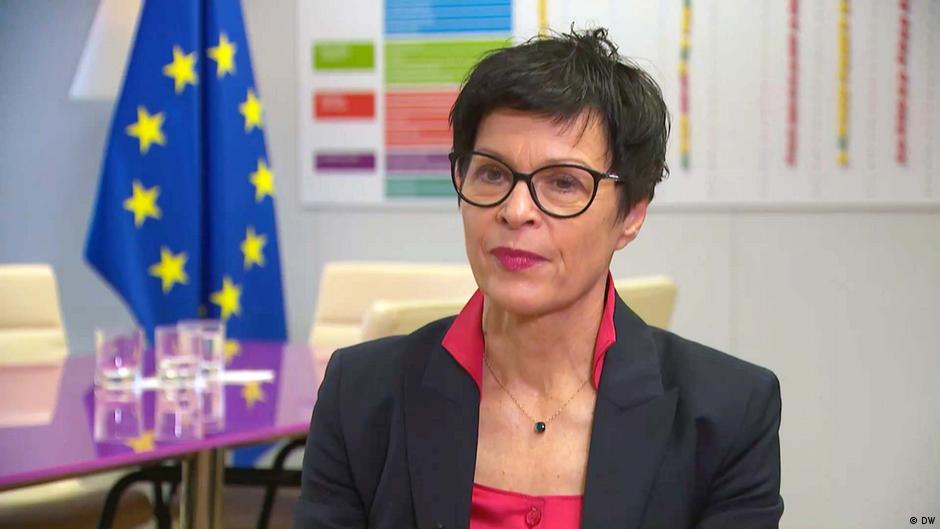
Marta Kos, the EU Commissioner responsible for enlargement, highlighted during a European Parliament session that Serbia's failure to curb anti-democratic trends threatens the disbursement of EU funds earmarked for reform support. The commissioner pointed to irregularities observed by election monitors during the municipal elections held in March, which raised alarms about the integrity of the electoral process.
“We are increasingly concerned about the developments in Serbia,” Kos stated, emphasizing the ongoing evaluation by the European Commission of Serbia's compliance with reform-related funding conditions.
Further compounding concerns are legislative changes undermining the independence of the judiciary, suppression of protests, and systematic interference with independent media operations. These issues collectively undermine the democratic framework necessary for continued EU financial assistance.
Market Impact and Investor Considerations
Serbia had already received around €100 million from the EU, yet the larger tranche of approximately €1.5 billion remains contingent upon meeting EU benchmarks. The European Commission is expected to deliver a formal assessment of Serbia's progress imminently, which will be closely watched by investors and market participants.
The prospect of losing significant EU funding may increase fiscal uncertainty and pressure on Serbian government bonds, potentially widening yield spreads as investors reassess risk exposure. Equity markets may also experience volatility, particularly in sectors dependent on EU-supported reforms and infrastructure projects.
Moreover, the Commission's demand that Serbia align its judicial legislation with recommendations from the Venice Commission and restore media independence highlights structural reform challenges that are critical for long-term investor confidence and regional stability.
Geopolitical Dimensions and Regional Stability
The EU's firm stance comes amid heightened geopolitical tensions following Russia's full-scale invasion of Ukraine. The EU has intensified integration efforts with Serbia and other Balkan states, motivated by concerns over Kremlin's potential to destabilize the region.
Serbian President Aleksandar Vučić maintains a pro-European integration rhetoric while sustaining close ties with Russia. Notably, in 2023, Vučić attended Victory Day celebrations in Moscow alongside Vladimir Putin, despite EU warnings. Serbia has also refrained from joining EU sanctions against Russia, complicating its accession prospects.
These geopolitical dynamics add layers of complexity to Serbia's EU accession pathway and influence investor perceptions of political risk in the region.
Investors and market analysts will be monitoring upcoming European Commission reports closely, as the decision on Serbia's funding could serve as a bellwether for EU enlargement policy and political risk assessments in Southeast Europe.