Former Bulgarian President Rumen Radev’s Coalition Leads Parliamentary Elections with 44.6% Support
Radev’s left-centrist coalition gains strong lead amid anti-corruption campaign, signaling potential shifts in Bulgaria’s political and economic landscape.
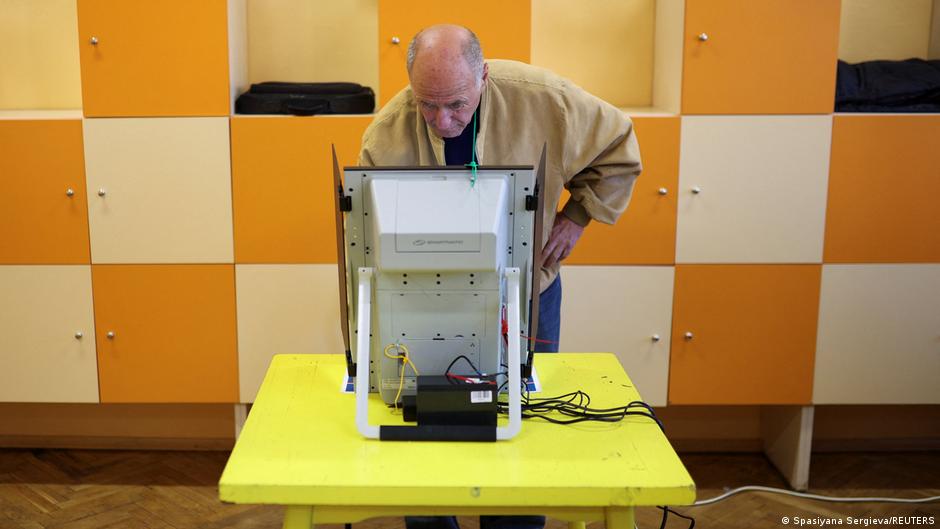
Preliminary results from Bulgaria's latest parliamentary elections indicate a decisive lead for the left-centrist coalition "Progressive Bulgaria," headed by former President Rumen Radev. With approximately one-third of ballots counted, the coalition has secured around 44.6% of the vote, positioning it to exert significant influence over Bulgaria’s political and economic direction.
Market Implications of Bulgaria’s Political Shift
These snap elections mark Bulgaria’s eighth parliamentary vote in five years, triggered by the resignation of the conservative-led government amid widespread protests since December 2025. The demonstrations, which mobilized hundreds of thousands, demanded an independent judiciary and a crackdown on corruption—issues that formed the backbone of Radev's campaign.
From a capital markets perspective, the strong showing by Radev’s coalition introduces new dynamics for investors. The coalition’s promise to aggressively tackle corruption may enhance Bulgaria’s investment climate over the medium term by improving governance and transparency. However, Radev’s nuanced stance on foreign policy—specifically his opposition to increased military aid to Ukraine—adds complexity to Bulgaria’s relations within the European Union and with international allies.
"Radev’s coalition draws support from both pro-Russian voters and those focused on anti-corruption reforms, reflecting a divided electorate with mixed signals for foreign investors."
Market participants should note that the coalition’s rise may affect Bulgaria’s EU integration trajectory and economic policies, which have been key factors in the country’s credit ratings and foreign direct investment inflows. The opposition parties, including the center-right alliance led by former Prime Minister Boyko Borisov and liberal groups advocating closer EU ties, captured only about 12-13% of the vote based on exit polls, signaling a possible reduction in pro-market reform momentum.
The voter turnout of 43.4% reflects moderate engagement, which may limit the coalition’s mandate strength but still provides a clear mandate for change. Investors in Bulgarian equities and sovereign bonds will be closely monitoring policy announcements, particularly regarding judicial reforms, anti-corruption measures, and Bulgaria’s stance on European defense initiatives.
Given Bulgaria’s strategic position as an EU member state with emerging market characteristics, shifts in its political landscape can influence regional market sentiment. The market’s initial reaction to the election results may include volatility in Bulgarian government bond yields and fluctuations in the local currency, pending clarity on the coalition’s economic strategy and foreign policy orientation.
As Bulgaria prepares for parliamentary realignment, capital markets stakeholders should remain attentive to developments that could impact the country’s risk profile and investment attractiveness in the near term.