Founder of Gulagu.net Suspends Project Amid Rising Risks and Geopolitical Uncertainty
The halt of Gulagu.net highlights growing challenges for human rights activism and signals increased geopolitical tensions affecting investor sentiment.
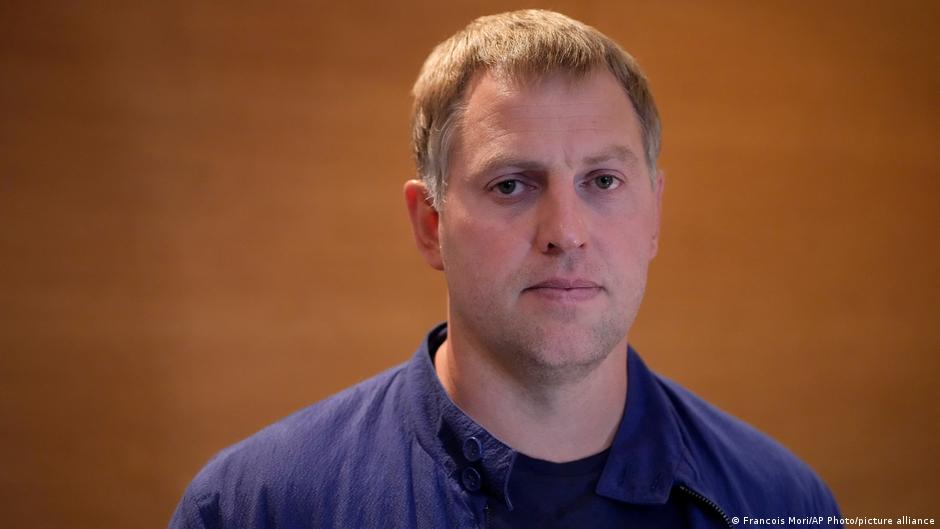
Vladimir Osechkin, founder of the human rights project Gulagu.net, announced the suspension of his initiative aimed at aiding prisoners in Russia’s penal colonies. This decision comes amid what he describes as a "global crisis" affecting activists opposing torture, violence, and war, with significant implications for geopolitical stability and, by extension, capital markets.
Implications of Gulagu.net’s Suspension for Investors
Gulagu.net, known for exposing abuses within the Russian prison system, has faced mounting pressures as Osechkin detailed in a recent interview. The project’s halt underscores the intensifying crackdown on dissent and the erosion of international legal norms, which complicate risk assessments for investors in Russian equities and bonds.
"International law is in crisis; human rights have taken a back seat while billionaires and entertainers dominate headlines," Osechkin observed, reflecting a broader destabilization that reverberates far beyond the human rights field.
For investors, the risks extend beyond direct sanctions or regulatory changes. The geopolitical environment, including an anticipated new wave of mobilization in Russia this fall, tighter border controls, and legal mechanisms allowing immediate asset seizures, heightens uncertainty. These developments could adversely affect the liquidity and valuations of Russian debt and equity instruments.
Osechkin’s revelations about threats to his life and pressures on his associates highlight the increasing personal risks faced by figures linked to opposition movements, signaling a more aggressive posture by state actors. Such dynamics often precede or accompany market volatility, as seen historically during periods of political crackdown.
Moreover, the project’s suspension reflects challenges in maintaining transparency and accountability within Russia’s institutions—a factor that traditionally weighs on investor confidence. The concealment of military abuses and the suppression of information contribute to a risk premium demanded by market participants.
Since 2015, Osechkin has lived in exile in France, becoming a prime target for Russian security services in Europe. His status and the legal actions taken against him, including a conviction in absentia and accusations of disseminating "fake news" about the Russian armed forces, further complicate the political landscape.
For capital markets, these developments signal a need for heightened due diligence and an awareness of the broader geopolitical context impacting Russian assets. Investors should monitor ongoing legal and political shifts, as well as international responses, including potential sanctions or restrictions that may affect asset flows.
In summary, the pause of Gulagu.net serves as a stark reminder of the increasing geopolitical and regulatory risks surrounding Russian markets. It urges market participants to reassess exposure and consider the broader implications of a deteriorating human rights and political environment on investment valuations and market stability.