Fourth Ukrainian F-16 Fighter Jet Lost Amid Ongoing Conflict, Raising Market Concerns
The recent loss of a Ukrainian F-16 in combat marks the fourth such incident, highlighting operational risks affecting defense equities and investor sentiment.
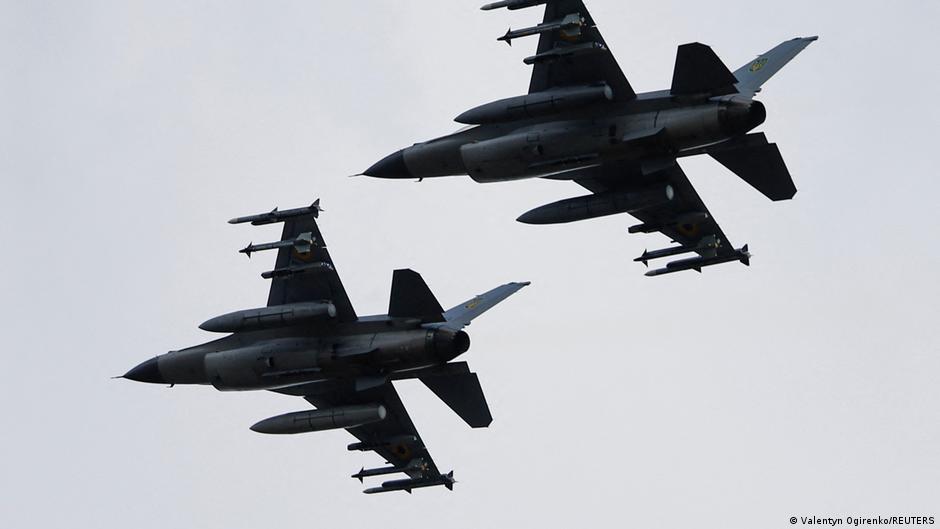
On July 29, 2025, the Ukrainian Air Force reported the loss of its fourth F-16 fighter jet during a combat mission aimed at intercepting Russian aerial targets. The pilot successfully ejected and is currently receiving medical examination, with no civilian casualties or damage reported at the crash site.
This incident underscores the operational challenges faced by Ukraine's air defense capabilities amidst continued hostilities, with implications for defense sector equities and bond instruments tied to military procurement and support.
Market Implications of Ukraine's F-16 Losses
Ukraine's acquisition of F-16 jets, primarily supplied by a coalition led by Denmark and the Netherlands, began in August 2024 with an initial delivery of 10 aircraft. The plan includes an additional 20 jets by the end of 2024 and a total fleet size of 79 by the end of 2025. Ukrainian pilots have undergone training in the United States to operate these advanced multirole fighters.
However, the loss of four F-16s within a year, including three in combat and one in an operational accident, has raised concerns among investors regarding the sustainability and cost-effectiveness of Ukraine's air defense modernization. These losses carry both human and material costs, which could impact future procurement budgets and defense contractor valuations.
"Each F-16 lost represents not only a tactical setback but also a significant economic and strategic challenge for Ukraine's air defense modernization efforts," experts note.
From a capital markets perspective, the repeated losses may increase volatility in equities of defense contractors involved in the production and maintenance of these aircraft. Bonds issued by companies supporting the Ukrainian military effort or countries financing these acquisitions could also face pressure as risk assessments adjust to ongoing conflict attrition.
The Ukrainian government and international partners must balance the urgent operational demands with long-term investment risks. Ensuring pilot safety, effective deployment, and aircraft survivability will be critical to maintaining investor confidence and securing continued financial and material support.
Despite the setbacks, Ukraine's commitment to strengthening its air capabilities through F-16 integration remains a key component of its defense strategy. The widespread international backing, including pilot training programs and aircraft deliveries, reflects a broader geopolitical investment in Ukraine's military resilience.
Investors monitoring defense sector developments should consider the evolving operational risks and their potential impact on defense-related assets and sovereign debt linked to conflict support. The loss of aircraft like the F-16 serves as a reminder of the complex interplay between military effectiveness and market dynamics in active conflict zones.