Greek Visa Denials Surge for Russian Travelers, Impacting Market Sentiment on Tourism Stocks
Greece's mass refusal of Schengen visas to Russians disrupts travel sector and investor outlook amid stricter EU policies.
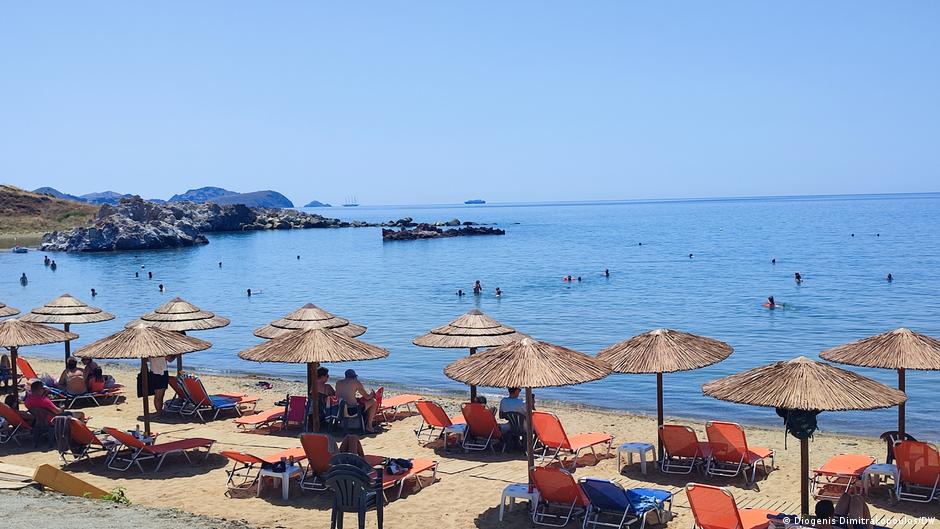
Greece has significantly increased its refusal rate for Schengen visa applications from Russian citizens, creating uncertainty for the travel sector and influencing capital markets focused on tourism and related industries. According to industry reports in late July 2025, some Russian tour operators experienced visa denial rates as high as 50%, while individual travelers faced rejection rates approaching 70%.
Visa Restrictions and Market Implications
The Association of Russian Tour Operators (ATOR) indicated that the spike in visa refusals is unprecedented in volume. Tourists, even those with fully paid trips and confirmed accommodations, have faced denials. One notable case involved a traveler with Moscow property and strong bank statements who was denied repeatedly. These developments have led to concerns over reduced travel flows between Russia and Greece, traditionally a popular destination for Russian tourists.
“Direct refusals on this scale have not been observed before,” a representative from a Russian travel company remarked, highlighting the unprecedented nature of the current restrictions.
In 2025, Greece issued approximately 59,000 visas to Russian nationals, with 41.6% being multiple-entry. However, the refusal rate for Greek visas was 11.2%, higher than the 6.4% average across the Schengen area. Overall, Russians received over 620,000 Schengen visas in 2025, marking a 10% increase from the previous year, alongside an 8.4% rise in visa applications. Despite this growth, the share of multiple-entry visas granted to Russians dropped sharply from 57% to 12% within two months following the European Commission’s directive to tighten visa issuance rules citing EU security concerns related to the ongoing conflict in Ukraine.
This policy shift has led to a structural change in the Russian travel market, forcing travelers to apply for visas more frequently rather than relying on long-term multiple-entry permits.
Wider EU Visa Trends and Investor Outlook
Nearly 75% of Russian Schengen visa applications in 2025 were submitted to France, Italy, and Spain, which together issued 68% of all visas to Russian citizens. While Italy reduced Russian visa issuance by 5.8%, and Spain's numbers remained stable, France increased its visa grants to Russians by nearly 30%, issuing around 173,000 visas.
The European Commission’s November 2025 ban on issuing multiple-entry visas to Russians represents a tightening regulatory environment that is reshaping travel patterns and investor sentiment across European tourism equities and bond markets. Analysts suggest that companies in the hospitality, airlines, and travel booking sectors that rely heavily on Russian clientele may face revenue pressure. This regulatory backdrop could also affect bond issuances by travel operators dependent on cross-border tourist flows, raising credit risk concerns.
Investors are advised to monitor visa policy developments closely as these have direct implications for cash flows in the tourism sector, with potential ripple effects on broader capital markets linked to European travel and leisure industries.