Latvia Publishes List of Companies Trading with Russia Amid Ukraine Conflict
Latvia releases a registry of 170 firms maintaining business ties with Russia and Belarus, impacting investor sentiment and market dynamics.
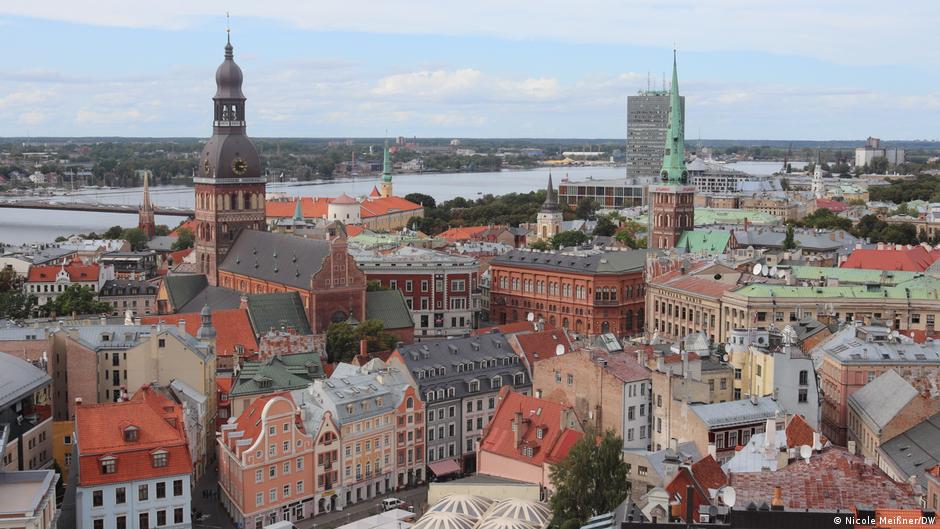
In a unprecedented move, Latvia's Central Statistical Bureau disclosed on August 20 a list of approximately 170 domestic companies continuing trade relations with Russia and Belarus despite the ongoing war in Ukraine. This registry is a significant development from a capital markets perspective, as it introduces new transparency that could influence equity valuations and bond yields of involved firms.
Market Implications of Latvia's Trade Disclosure
The list includes companies engaged in exporting goods to or importing products from Russia and Belarus. Notably, these firms do not violate international sanctions, as their trade activities cover exempt sectors such as food products and pharmaceuticals.
Latvian authorities plan to update the registry monthly, providing investors with ongoing insight into corporate exposure to markets under geopolitical strain. Some local media outlets have labeled the list the "list of shame," highlighting reputational risks for companies featured.
"The public availability of data on companies trading with Russia and Belarus allows consumers and business partners to make informed decisions about their collaborations," experts note.
This transparency could lead to increased market scrutiny. Equities of companies on the list may experience heightened volatility due to investor concerns over potential reputational damage and future regulatory risks. Similarly, bond investors might reassess credit risks, potentially affecting borrowing costs.
Latvia, a close ally of Kyiv, has implemented several import restrictions on Russian and Belarusian goods since the escalation of Russia's full-scale invasion of Ukraine. Moreover, many Latvian firms have voluntarily reduced or ceased trade with these countries, reflecting a broader trend of market realignment amid geopolitical uncertainty.
For investors, this registry offers a new tool to evaluate firm-level exposure to geopolitical tensions and sanctions-related risks. The evolving situation underscores the need for continuous monitoring of supply chain dependencies and trade relationships impacting portfolio risk profiles.