NATO Confirms Continued Delivery of US Air Defense Missiles to Ukraine Amid Market Uncertainty
Steady arms shipments via NATO’s PURL program reassure investors despite geopolitical tensions impacting capital markets.
NATO has confirmed that Ukraine continues to receive critical American air defense missiles under the Priority Urgent Request List (PURL) program. This sustained military aid comes amid ongoing geopolitical tensions that have injected volatility into global capital markets, particularly affecting equities and bonds tied to defense sectors.
Steady Arms Deliveries Underpin Defense Market Sentiment
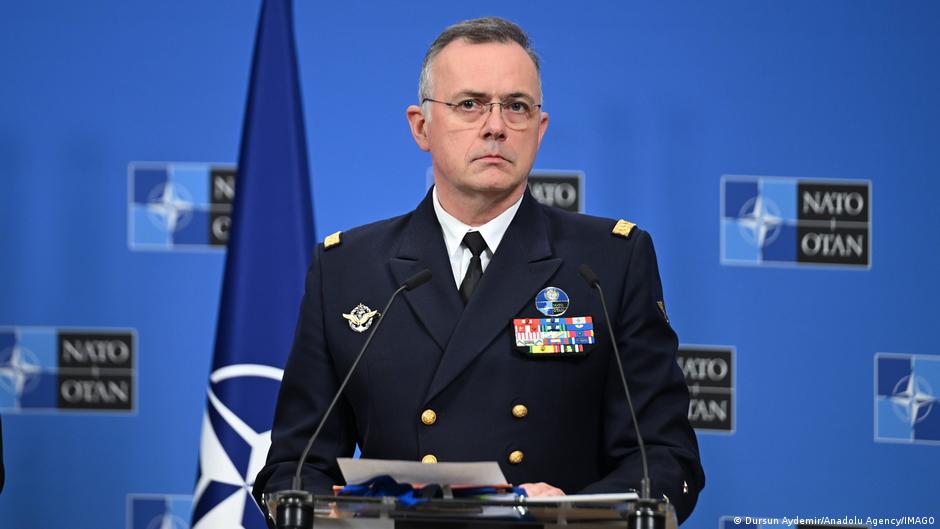
General Christopher G. Cavoli, NATO’s Supreme Allied Commander Europe, assured investors and stakeholders that all weaponry funded through the PURL initiative—including interceptor missiles vital for Ukraine’s air defense systems—is being delivered as planned. Speaking at a press conference following the Military Committee meeting in Brussels on May 19, he emphasized the importance of this predictable and continuous supply chain for Ukraine’s defense capabilities.
“All the equipment paid for by allies is being supplied, including the interceptor missiles urgently needed by Ukraine,” said General Cavoli.
The PURL program, a US-led NATO initiative, pools contributions from member states to rapidly procure and deliver American-made weapons prioritized by Ukraine, addressing gaps that European alternatives cannot fill. This mechanism has been crucial in sustaining Ukraine’s resilience as the conflict extends into its fifth year.
From a capital markets perspective, the ongoing fulfillment of PURL contracts provides reassurance to defense contractors and investors. The reliability of supply chains amidst geopolitical risk helps stabilize defense equities, which have otherwise experienced bouts of uncertainty due to sanctions, energy price fluctuations, and regional security concerns.
General Cavoli also highlighted how Western investments in Ukrainian defense not only protect critical infrastructure but bolster overall European security architecture. This broader security stability is a key factor for financial markets assessing risk in European assets.
US Troop Movements and Regional Defense Posture Impact Market Sentiment
Addressing concerns related to the planned withdrawal of 5,000 US troops from Europe announced by the former US administration, Cavoli clarified that this drawdown does not impair NATO’s regional defense commitments. He noted that Baltic states, Poland, and others have enhanced their ground combat capabilities, exemplified by the multinational brigade in Latvia led by Canada and Germany’s expansion of forces in Lithuania.
For investors, this signals a strategic shift rather than a reduction in deterrence, potentially reallocating US military resources to other global priorities while maintaining European security. Such nuanced military realignments influence defense sector valuations and sovereign bond yields in the region.
Incidents and Intelligence Claims: Market Risks and NATO’s Response
Recent incidents, such as the accidental incursion of a presumed Ukrainian drone into Estonian airspace and subsequent NATO fighter response, underscore the complex operational environment. NATO’s deployment of delegated tactical authorities to protect alliance territory has been presented as functioning effectively, which may mitigate investor concerns over escalation risks.
Moreover, NATO dismissed Russian Federation Intelligence Service claims that Latvia is facilitating drone strikes on Russia from its territory. These assertions, accompanied by threats of “fair retribution,” have heightened geopolitical rhetoric but NATO leadership maintains these are unfounded and do not reflect alliance behavior.
General Cavoli emphasized that NATO’s priority remains the defense of member states, directly countering Russian narratives that depict the alliance as an aggressor. This stance is critical for investors monitoring potential flashpoints that could impact markets through sanctions, supply chain disruptions, or shifts in risk premiums.
In conclusion, the confirmed steady flow of US air defense missiles to Ukraine via the PURL program and NATO’s robust regional defense posture provide a measure of stability in an otherwise volatile geopolitical landscape. For capital markets, these developments underline the importance of careful monitoring of defense procurement programs and alliance dynamics as indicators of risk and opportunity.