New EU Biometric Identification System Causes Major Airport Delays Affecting Travel and Markets
The rollout of the EU Entry/Exit System has led to long airport queues, raising concerns about economic impacts and investor confidence in European travel sectors.
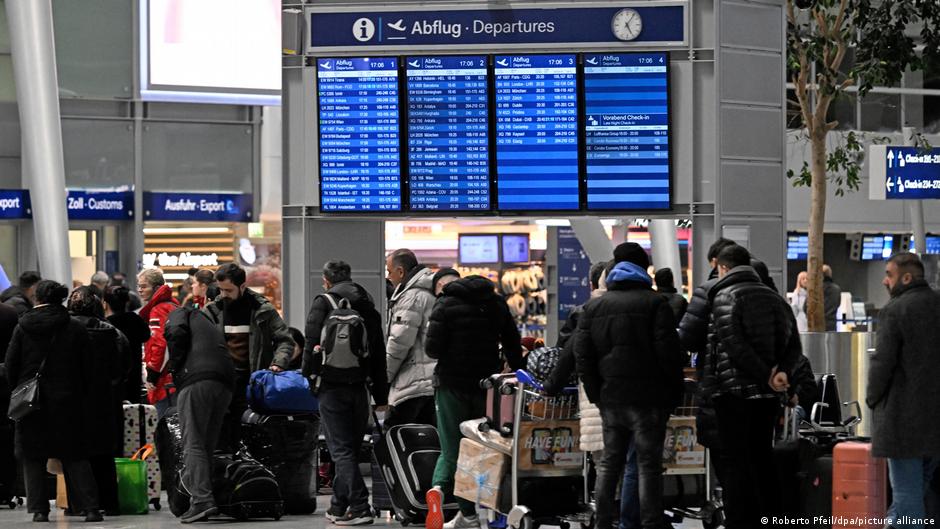
The implementation of the EU's new biometric identification system, known as the Entry/Exit System (EES), has caused significant disruptions at major airports across Europe. Since fully coming into force on April 10, 2026, airports in France, Germany, Belgium, Italy, Spain, and Greece have experienced multi-hour queues, prompting industry groups to warn of a looming crisis as peak summer travel approaches.
Market Reaction and Industry Response
The Airport Council International (ACI) Europe expressed deep concerns about the lengthening wait times, with passengers reportedly enduring delays of up to three hours during peak periods. Olivier Jankovec, head of ACI Europe, highlighted the risk of a "collapse" in airport operations if the situation remains unaddressed.
"At peak times, passengers are already waiting up to three hours," Olivier Jankovec said, emphasizing the urgent need for action.
Michael O'Leary, CEO of budget airline Ryanair, labeled the system "a complete disgrace and a shambles," likening it to "punishment for Brexit." He advocated for postponing the full implementation of EES until October 2026, citing queue times reaching four hours at some airports.
The delays have had tangible consequences for airlines and passengers. At Milan's Linate Airport, only 34 of 156 EasyJet passengers on a flight to Manchester managed to board before the plane departed, leaving 122 travelers behind. Although EasyJet offered free ticket rebooking, it declined to accept responsibility for the situation.
Operational Challenges and Disputes Over System Efficiency
The European Commission has defended the EES rollout, stating the system is operating normally and that processing each traveler takes an average of 70 seconds. However, ACI Europe disputes this claim, estimating the actual processing time to be five times longer, which aligns more closely with the reported delays.
The system was introduced gradually starting in October 2025, initially adopted by the Czech Republic, Estonia, and Luxembourg. EES replaces the manual passport stamping process with biometric registration of third-country nationals entering the Schengen Area, requiring photo and fingerprint data capture. By April 10, 2026, all 29 Schengen member states had implemented the system. EU citizens, residence permit holders, and diplomats are exempt.
Industry representatives have called on the European Commission to permit border services to fully suspend the EES during excessive delays to prevent further operational paralysis.
Implications for Investors and Capital Markets
These airport disruptions arrive amid a critical period for European travel and tourism sectors, which are heavily weighted in equity indices and bond portfolios. Prolonged operational inefficiencies risk dampening passenger confidence and airline revenues, potentially triggering negative investor sentiment.
Market participants should monitor announcements from airlines and airport authorities closely, as continued delays may prompt revisions to earnings forecasts and credit risk assessments. Furthermore, regulatory responses such as system suspension or adjustments to EES protocols could influence the pace of recovery in travel-related equities and bonds.
As summer approaches, the pressure mounts on European policymakers to balance security enhancements with operational efficiency to safeguard both passenger experience and market stability.