Pope Leo XIV’s Strong Anti-War Stance Highlights Rising Geopolitical Risks for Global Markets
Pope Leo XIV’s criticism of war-driven profiteering underscores growing geopolitical tensions impacting investors worldwide.
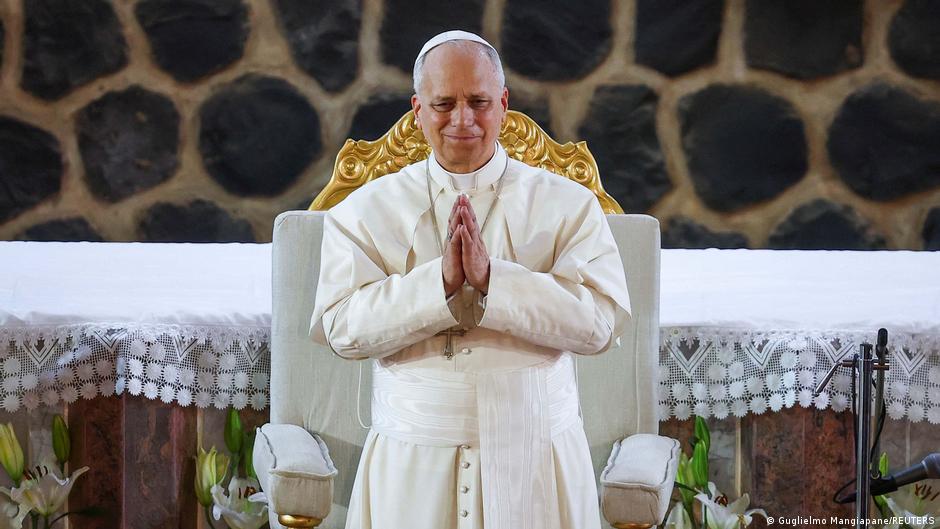
Pope Leo XIV, during his visit to Cameroon, sharply condemned a "small group of tyrants" who he accused of exploiting religion and the name of God for personal military, economic, and political gain. His remarks come amid escalating global tensions and have implications for investors monitoring geopolitical risks affecting capital markets.
Geopolitical Tensions and Market Volatility
Speaking at St. Joseph’s Cathedral in Bamenda on April 16, Pope Leo XIV denounced those who spend billions to "devastate" the world through exploitation and conflict. He said, "Blessed are the peacemakers, but woe to those who manipulate religion and the very name of God for their own military, economic, and political advantage, plunging the sacred into darkness and abomination. This is a world turned upside down, exploitation of God’s creation that must be condemned and rejected by every honest and conscientious person."
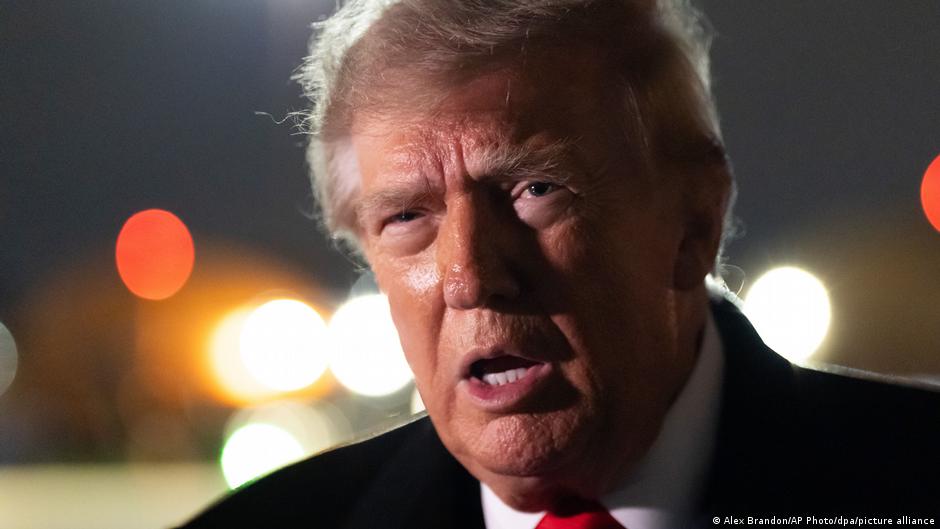
Earlier, at a prayer vigil for world peace on April 11, the Pope urged leaders of warring nations to cease hostilities and choose negotiation over militarization. His call for dialogue instead of rearmament was met with sharp criticism from then-U.S. President Donald Trump, who labeled the pontiff "terrible" on foreign policy and dismissed his intervention as unwelcome interference.
"Blessed are the peacemakers, but woe to those who manipulate religion and the very name of God for their own military, economic, and political advantage." — Pope Leo XIV
Despite the backlash, Pope Leo XIV clarified that the Vatican’s peace appeals are rooted in gospel values and not targeted at any individual administration. The pontiff emphasized that his message highlights the dangerous "illusion of omnipotence" driving current conflicts, which bears significant consequences for global stability.
Investor Implications Amid Rising Uncertainty
Capital markets are highly sensitive to geopolitical developments, and the Pope’s pointed criticisms highlight deeper concerns about the trajectory of international relations. Prolonged conflicts and heightened military spending often trigger increased volatility in equities and bonds, as investors reassess risk premiums and seek safe-haven assets.
For example, persistent wars and sanctions can disrupt supply chains, inflate commodity prices, and cause investor sentiment to waver, impacting emerging market equities and debt instruments particularly hard. The Vatican’s call for peace serves as a reminder that geopolitical risks remain a critical factor for portfolio managers and market participants.
Moreover, the tensions between the Vatican and the U.S. administration during Pope Leo XIV’s tour—spanning Algeria, Cameroon, Angola, and Equatorial Guinea—reflect broader geopolitical realignments. Italian Prime Minister Giorgia Meloni’s vocal support for the Pope’s stance, followed by President Trump’s rebukes, further underscore the polarized international political climate influencing market confidence.
Investors should closely monitor developments arising from these diplomatic interactions as they may foreshadow shifts in U.S. foreign policy and global trade relations, which in turn can affect asset allocation decisions and risk management strategies.
Conclusion
Pope Leo XIV’s outspoken condemnation of war profiteers amid his African tour serves as a stark reminder of the persistent geopolitical risks that shadow global markets. His appeals for peace and negotiation contrast sharply with ongoing militarization trends and political friction, factors that continue to influence market volatility and investor behavior worldwide.
As global leaders respond to these challenges, market participants must remain vigilant, incorporating geopolitical risk assessments into their investment frameworks to navigate the evolving landscape effectively.