Russian Bank Websites Face Security Certificate Revocations Impacting International Browser Access
Major Russian banks lose international TLS/SSL certificates, prompting warnings in global browsers and affecting investor access.
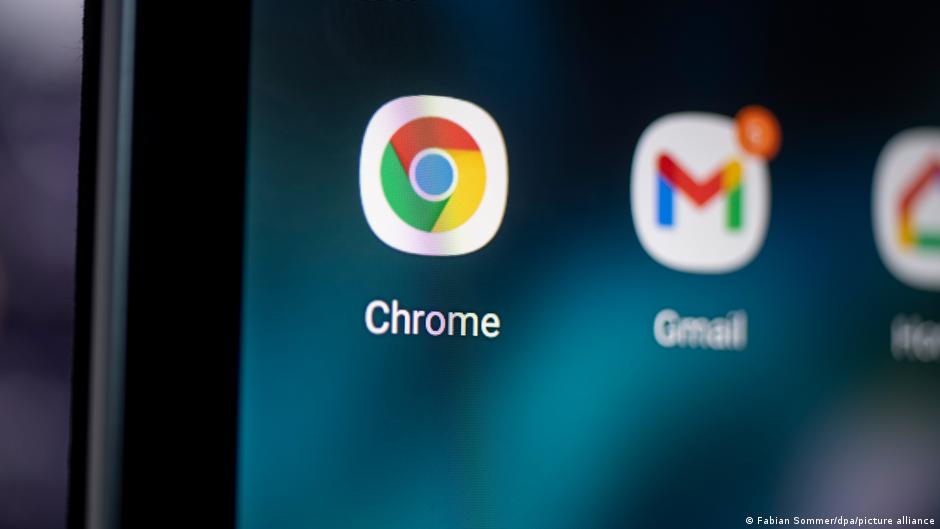
Several leading Russian banks have encountered widespread issues with their websites being flagged as insecure by popular international web browsers such as Google Chrome, Safari, Firefox, and Edge. This development stems from the revocation of their TLS/SSL security certificates by foreign certification authorities, causing increased investor concern about online security and potential disruptions in accessing critical financial services.
Impact on Market Accessibility and Investor Confidence
The security certificates, essential for establishing encrypted connections and verifying site authenticity, have been withdrawn primarily due to sanctions imposed by Western authorities on Russian institutions following geopolitical tensions. Banks affected include Sberbank, VTB, Alfa-Bank, Rosselkhozbank, Promsvyazbank, Uralsib, and Bank Saint Petersburg.
When users attempt to access these banks’ websites from browsers managed outside Russia, they receive warnings indicating that the connection is not secure. Access requires manual intervention to bypass browser warnings, which is inconvenient and may deter investors and customers reliant on stable, secure online banking platforms.
In contrast, Russian browsers like Yandex Browser continue to support the domestic security certificates, allowing uninterrupted access within Russia. Yandex Browser’s integration of Russian certificate support underscores a divergence in the digital financial ecosystem between Russia and the global market.
"The revocation of internationally recognized TLS/SSL certificates by foreign authorities has created significant challenges for Russian banks in maintaining secure online access for international clients," market analysts noted.
Broader Implications for Capital Markets
From a capital markets perspective, the inaccessibility of bank websites in international browsers presents risks beyond customer inconvenience. It hampers the transparency and accessibility of financial information necessary for informed investment decisions. Investors using global platforms may find it difficult to verify financial data or execute transactions securely, leading to potential volatility and diminished investor confidence in Russian equities and bonds.
Moreover, the shift to domestic security certificates not recognized internationally may complicate cross-border electronic communications and transactions, potentially impacting liquidity and foreign investment flows. The evolving digital barriers reflect and may reinforce existing geopolitical and economic isolation, affecting market pricing and risk assessments.
Market participants should monitor how these technical and regulatory challenges develop, as prolonged disruptions could influence the valuation and attractiveness of Russian financial assets.
Conclusion
The revocation of TLS/SSL certificates by foreign entities highlights how geopolitical sanctions extend into the digital financial infrastructure, influencing market accessibility and investor behavior. While Russian browsers mitigate some access issues domestically, international investors face increased hurdles. This dynamic adds another layer of complexity to navigating capital markets tied to Russia amidst ongoing geopolitical tensions.