Russian Missile and Drone Strikes on Ukraine Trigger Market Uncertainty and Investor Concerns
Renewed attacks on Ukrainian cities raise geopolitical risks that impact regional equities and bond markets.
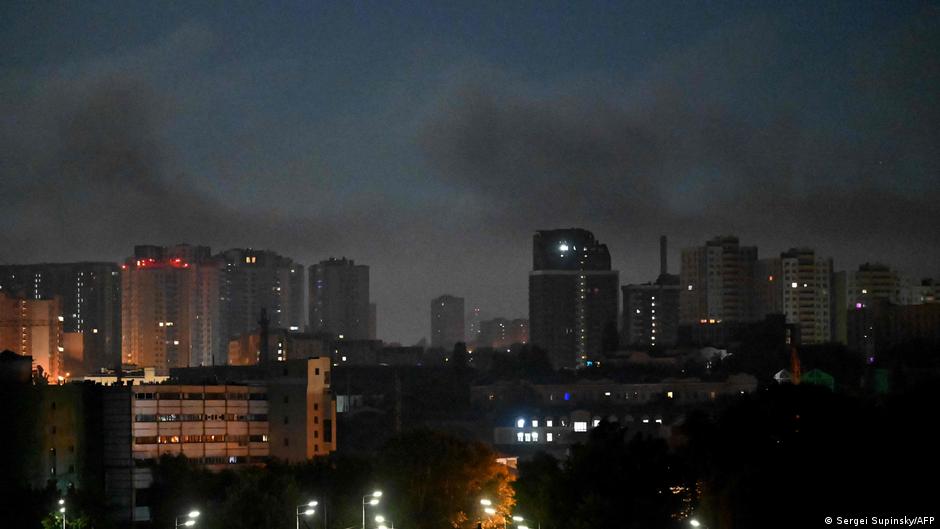
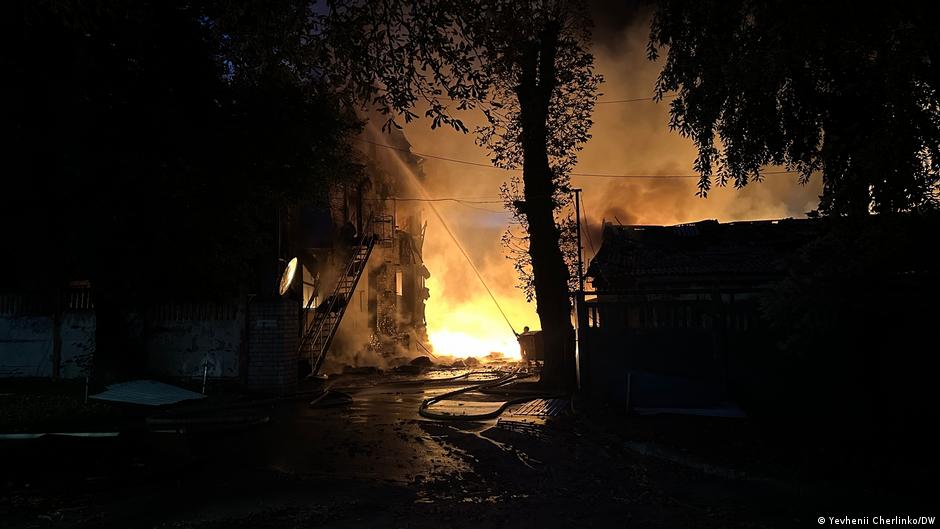
On the night of July 30, Russian military forces launched a series of missile and drone attacks across multiple Ukrainian cities, including Kyiv, Lviv, Kharkiv, and others. The strikes resulted in civilian casualties and infrastructure damage, escalating geopolitical tensions that are reverberating through capital markets.
Geopolitical Turbulence and Market Reactions
The missile attack on a private home in the suburb of Kryvyi Rih tragically killed a large family, including children, highlighting the human cost of the ongoing conflict. Explosions were reported in various regions, including Vinnytsia, Cherkasy, and Ivano-Frankivsk, while Ukrainian air defenses scrambled to intercept ballistic and cruise missiles, drones, and guided bombs.
These developments have heightened investor uncertainty regarding the stability of the region, directly influencing Ukrainian equities and government bonds. The increased risk perception has led to market volatility, with caution prevailing among international investors assessing exposure to Ukrainian assets.
"The readiness of our partners to provide air defense systems directly affects the protection of civilian lives and the security environment essential for market confidence," stated Ukrainian President Volodymyr Zelensky.
President Zelensky emphasized the critical role of international military support, particularly from the United States and allies equipped with Patriot missile defense systems, in mitigating further attacks. This appeal underscores the nexus between geopolitical security and financial market stability in Ukraine.
Kyiv experienced missile debris falls and fires in several districts, resulting in at least one confirmed fatality. Meanwhile, Lviv reported damage to two residential high-rises, and in Kharkiv, drones struck an industrial area. The scale and intensity of the attacks indicate a sustained strategic campaign aimed at undermining Ukrainian infrastructure and morale.
From a capital markets perspective, these strikes could lead to increased risk premiums on Ukrainian sovereign debt and pressure on local stock exchanges as investors reassess the geopolitical risk landscape. The uncertainty may also impact foreign direct investment flows and currency stability, posing challenges for portfolio managers and institutional investors.
As the conflict persists, the interplay between military developments and market dynamics will remain a critical area for monitoring by investors with exposure to Eastern European assets. The ability of Ukraine to maintain essential services and economic activity amid hostilities will be pivotal in shaping market sentiment in the near term.