Russian Missile Strikes on Kyiv and Region Heighten Market Uncertainty Amid Ukraine Conflict
New Russian ballistic missile attacks on Kyiv and surrounding areas increase civilian casualties and raise concerns over Ukraine’s air defense capabilities amid dwindling Patriot missiles.
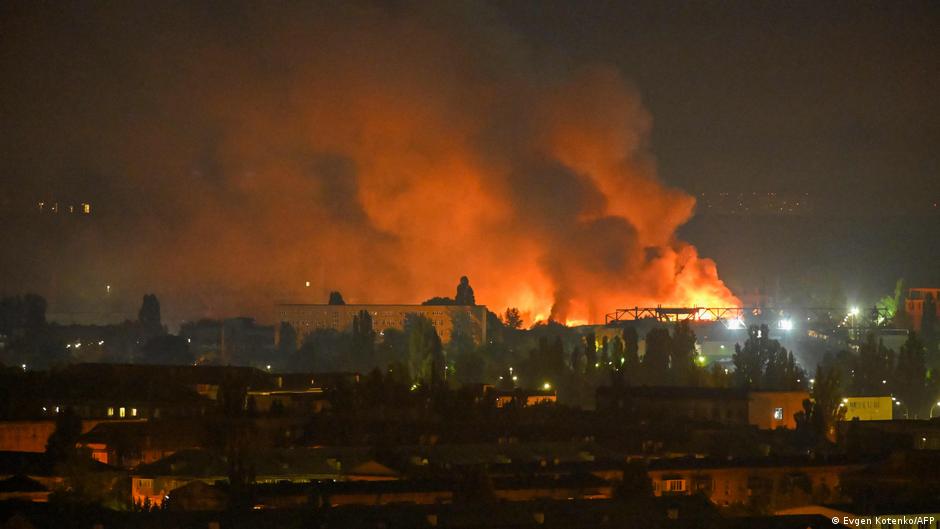
Russian forces launched a renewed wave of ballistic missile attacks on Kyiv and several other Ukrainian regions overnight on August 5, resulting in casualties and infrastructure damage. The attacks have intensified concerns among investors about regional stability and the broader geopolitical risks impacting capital markets.
Impact of Renewed Attacks on Kyiv and Regional Infrastructure
Kyiv city authorities reported multiple fires and damages to non-residential buildings across the Obolonsky, Desnyansky, and Holosiivsky districts. A private residence was destroyed in the Holosiivsky district, with potential casualties under the rubble. According to Kyiv Mayor Vitali Klitschko, at least one civilian was killed and over a dozen wounded within the city limits.
The Kyiv Regional Military Administration confirmed similar destruction across Bucha, Brovary, and Fastiv districts, with at least one fatality and over 40 civilians injured combined. Fires broke out in logistics and warehouse complexes, production facilities, and commercial sites, compromising critical supply chains and local economies.
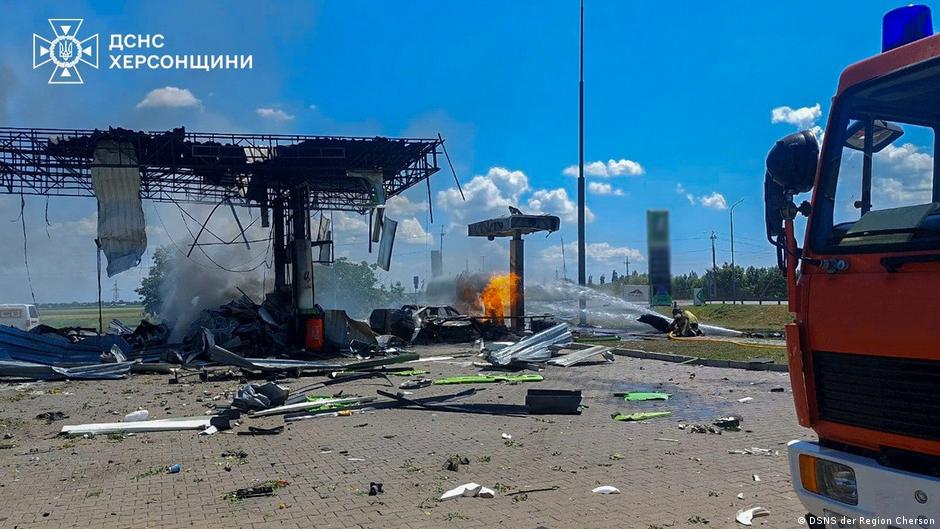
Ukraine's State Emergency Service detailed the widespread damage and ongoing emergency response efforts, highlighting the strain on regional infrastructure that could affect industrial output and supply logistics—factors closely watched by market participants assessing regional economic resilience.
"The intensified missile strikes highlight Ukraine's growing challenges in air defense due to a shortage of Patriot missiles," a Ukrainian official noted, underscoring the vulnerability to sustained Russian attacks.
Broader Military Context and Capital Market Implications
The Ukrainian Air Force reported missile and drone strikes extending beyond Kyiv to Odessa, Zaporizhzhia, Dnipropetrovsk, Kharkiv, and Mykolaiv regions, signaling a broadening scope of attacks. Earlier, Russian forces launched an Iskander-M ballistic missile from Rostov Oblast and over 130 attack drones, which Ukrainian defenses could not fully intercept.
President Volodymyr Zelensky has emphasized Ukraine’s shortage of American Patriot missiles, critical for countering ballistic threats, as a key factor limiting effective air defense. This military strain contributes to heightened geopolitical risk premiums, influencing investor sentiment toward Ukrainian and regional equities and sovereign bonds.
Capital markets have reacted cautiously to the ongoing conflict escalation, with increased volatility in Ukrainian sovereign debt and regional equities. Investors are recalibrating risk assessments amid concerns over prolonged infrastructure disruptions and the potential for further Russian military offensives.
Market analysts suggest that continued missile attacks and Ukraine’s constrained defensive capacity could translate into higher borrowing costs for the country, placing pressure on fiscal stability. Conversely, defense sector equities and allied industries might see increased investor interest as military aid and supply contracts expand.
Overall, the latest missile strikes underscore the persistent security challenges facing Ukraine and the broader Eastern European region, factors that remain central in capital market evaluations and investment decisions.