Slovakia Blocks 20th EU Sanctions Package Against Russia Amid Oil Pipeline Dispute
Slovakia will continue to withhold support for EU sanctions on Russia until Russian oil supply through the Druzhba pipeline via Ukraine is restored.
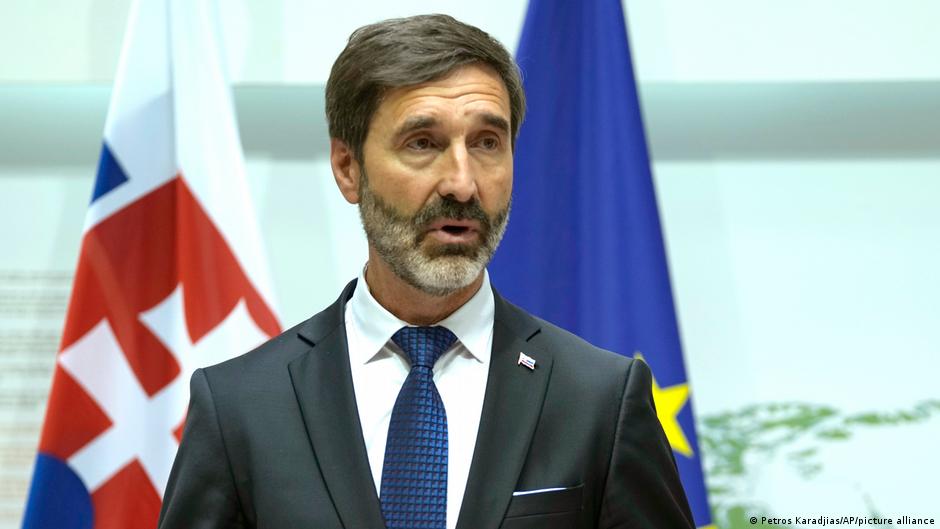
Slovakia has declared it will block the adoption of the European Union's 20th sanctions package against Russia until it resumes receiving Russian oil through the Druzhba pipeline, which runs through Ukraine. The announcement was made by Slovakia's Foreign Minister Juraj Blanár on April 16 during a parliamentary session.
"If the Druzhba pipeline does not resume operations by the time the 20th sanctions package is put to a vote, we will not vote in favor," Blanár stated. According to the Slovakian diplomat, Bratislava lacks alternative mechanisms to pressure Ukrainian President Volodymyr Zelensky to collaborate with the European Commission in reopening the pipeline.
Despite this stance, Blanár clarified that Slovakia will not oppose the European Union's proposed 90 billion euro credit facility for Ukraine.
Pipeline Disruption and Political Ramifications
The Druzhba pipeline ceased delivering Russian oil to Hungary and Slovakia at the end of January, following an incident where Ukraine reported damage caused by a strike from a Russian drone. Slovakia declared a state of emergency in its oil sector in mid-February due to the halted supply.
Both Hungary and Slovakia have accused Kyiv of delaying repair efforts and using the pipeline's damages as a pretext to stop oil flow. This dispute led Hungarian Prime Minister Viktor Orbán to block the 20th EU sanctions package against Russia and veto the EU credit for Ukraine.
Meanwhile, Peter Madjyar, leader of Hungary's victorious "Tisa" party in the recent parliamentary elections, pledged not to obstruct the multi-billion euro EU credit to Ukraine, although Budapest does not plan to participate financially in the aid.
Earlier in March, Slovak Prime Minister Robert Fico indicated a willingness to take over Hungary's role in blocking EU credit to Ukraine should Orbán's party lose power.
Market Implications for Investors
The ongoing dispute over the Druzhba pipeline has significant ramifications for energy markets and investor confidence in Central Europe. The disruption in Russian oil supplies to Slovakia and Hungary has increased energy security risks in these countries and heightened volatility in European oil markets.
Investors in regional equities, particularly in energy and industrial sectors, face uncertainties stemming from potential supply shortages and regulatory risks associated with escalating political tensions. Bond markets may also react to sovereign credit risks, especially if energy cost pressures strain fiscal budgets.
"Slovakia's insistence on restoring oil flows before supporting further sanctions reflects the complex intersection of energy dependency and geopolitical strategy in European capital markets."
Looking ahead, the EU's ability to unify its sanctions approach against Russia is critical for market stability. Any prolonged blockage from member states may delay sanction implementations, affecting energy prices and investor sentiment.
Ukraine's recent acceptance of EU assistance in repairing the pipeline, and President Zelensky's April 14 statement that the Druzhba pipeline could resume operations by the end of the month, offer some prospects for resolution. Should oil flows restart as anticipated, it may ease supply concerns and restore some stability to regional markets.
For investors, monitoring developments in this diplomatic and energy dispute is key, as shifts can impact commodity prices, equity valuations, and sovereign debt spreads across Central and Eastern Europe.