Trump Insists on Iran Meeting U.S. 'Red Lines' Before Any Nuclear Deal
U.S. President Trump demands Iran never acquire nuclear weapons as a key condition for any agreement, impacting market sentiment and investor confidence.
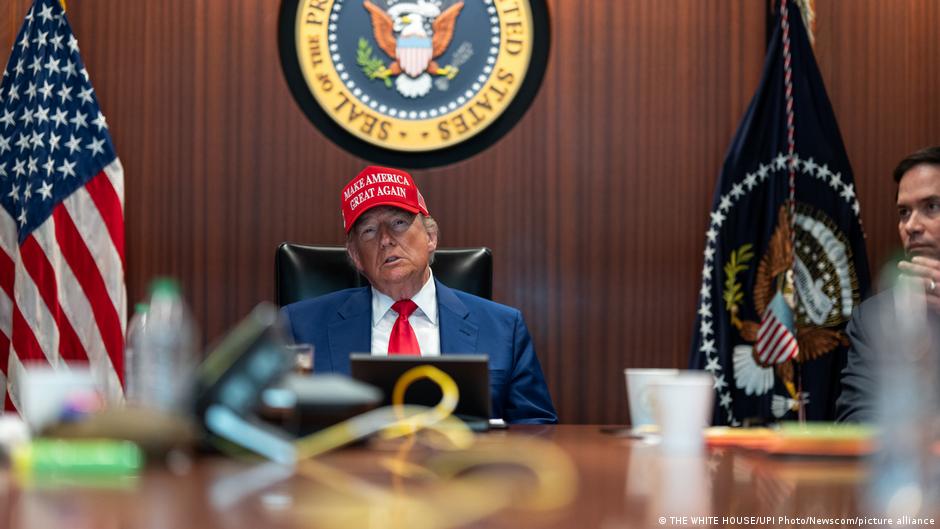
U.S. President Donald Trump has reiterated that he will only agree to a deal with Iran if Tehran respects America’s defined "red lines," particularly the crucial condition that Iran must never possess nuclear weapons. This stance, confirmed after high-level consultations in Washington, signals a cautious approach to rekindling talks and has implications for global capital markets and investor strategies.
Market Implications of Trump’s Position on Iran
Following a two-hour meeting in the White House Situation Room with his advisers, Trump emphasized that any agreement must be advantageous to the United States and strictly adhere to his administration’s security demands. The firm stance on Iran’s nuclear ambitions introduces a degree of uncertainty that could influence equity and bond markets worldwide, especially those sensitive to geopolitical risks and Middle East tensions.
"President Trump will sign only an agreement that benefits America and respects its 'red lines,'" a White House official confirmed after the meeting.
The announcement came amid ongoing diplomatic exchanges between Washington and Tehran. Iran’s Foreign Ministry spokesperson, Esmail Bakaei, clarified that while exchanges are continuing, no final agreement to end hostilities or nuclear disputes has been reached yet. This suggests that markets might remain cautious, factoring in the possibility of prolonged negotiations or renewed tensions.
Reports from the day before indicated a preliminary framework agreement might have been drafted between U.S. and Iranian negotiators, but the lack of presidential approval leaves the deal’s fate uncertain. Axios, citing unnamed U.S. officials, noted that Trump has yet to endorse the purported framework, adding to investor wariness.
Investors in equities and sovereign and corporate bonds should monitor these developments closely. The prospect of renewed sanctions or escalation in the region could prompt flight-to-quality moves, affecting U.S. Treasury yields and oil prices, both critical barometers for global financial markets. Conversely, progress toward a firm agreement, under conditions acceptable to the Trump administration, could improve risk sentiment and stabilize market volatility.
Given the high stakes, market participants are advised to weigh the potential impacts on sectors exposed to geopolitical instability, such as energy, defense, and emerging market assets. The evolving U.S.-Iran dynamics serve as a reminder that political decisions can rapidly alter investment landscapes and risk assessments.